








Arsenal Football Club secured the Premier League title this week, marking their first domestic league championship in 22 years and culminating a period of intense organizational rebuilding. The victory, confirmed following a decisive run of form in the final weeks of the season, cements the club’s return to the pinnacle of English football in London, fueled by a long-term strategic overhaul initiated by the club’s leadership.
A Strategic Return to Glory
The path to this championship was paved by a rigorous five-phase development plan implemented by the club’s board and coaching staff. This blueprint focused on systematic squad rejuvenation, the integration of high-potential academy prospects, and the establishment of a robust club culture centered on tactical discipline.
For over two decades, Arsenal struggled to bridge the gap between competitive relevance and the ultimate prize. The club frequently faced criticism for inconsistent performances and a lack of defensive stability, which often derailed their title aspirations during the mid-2010s.
Data-Driven Dominance
The statistical profile of this championship team highlights a balanced approach to the game. Arsenal maintained one of the league’s highest possession rates while simultaneously drastically reducing the number of high-quality chances conceded to opponents.
Key players, including Bukayo Saka, have been central to this transformation, providing both creative output and defensive work rate. According to internal performance metrics cited in recent reports, the team’s ability to control game tempo in the final third was a critical factor in their late-season winning streak.
Cultural Shift and Management
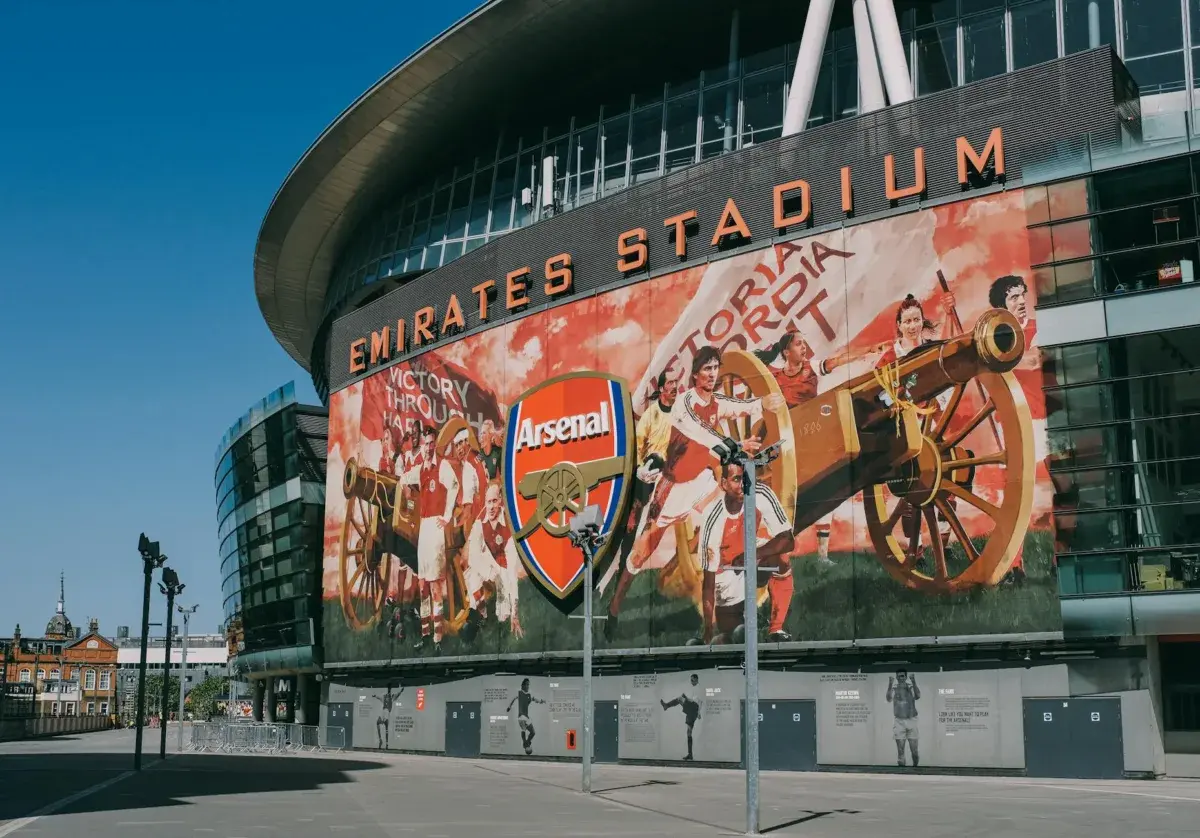
The title win is widely attributed to a cultural reset at the Emirates Stadium. Observers have noted a marked shift in player accountability, with team leaders fostering an environment that prioritizes collective success over individual accolades.
Celebrations following the clinching match reflected the relief and exhaustion of a squad that had faced immense media scrutiny throughout the campaign. Scenes from the stadium highlighted a deep emotional connection between the players and the fanbase, who have waited over two decades for a return to the summit of English football.
Implications for the Future
This victory signals a potential shift in the balance of power within the Premier League. As Arsenal prepares for the upcoming season, the primary challenge will be sustaining this level of performance while navigating the increased fixture demands of European competition.
Industry analysts suggest that the club will likely focus on squad depth in the upcoming transfer windows to ensure they can compete on multiple fronts. Supporters and stakeholders will be watching closely to see if this championship serves as the beginning of a sustained era of dominance or a singular peak in an increasingly competitive league environment.