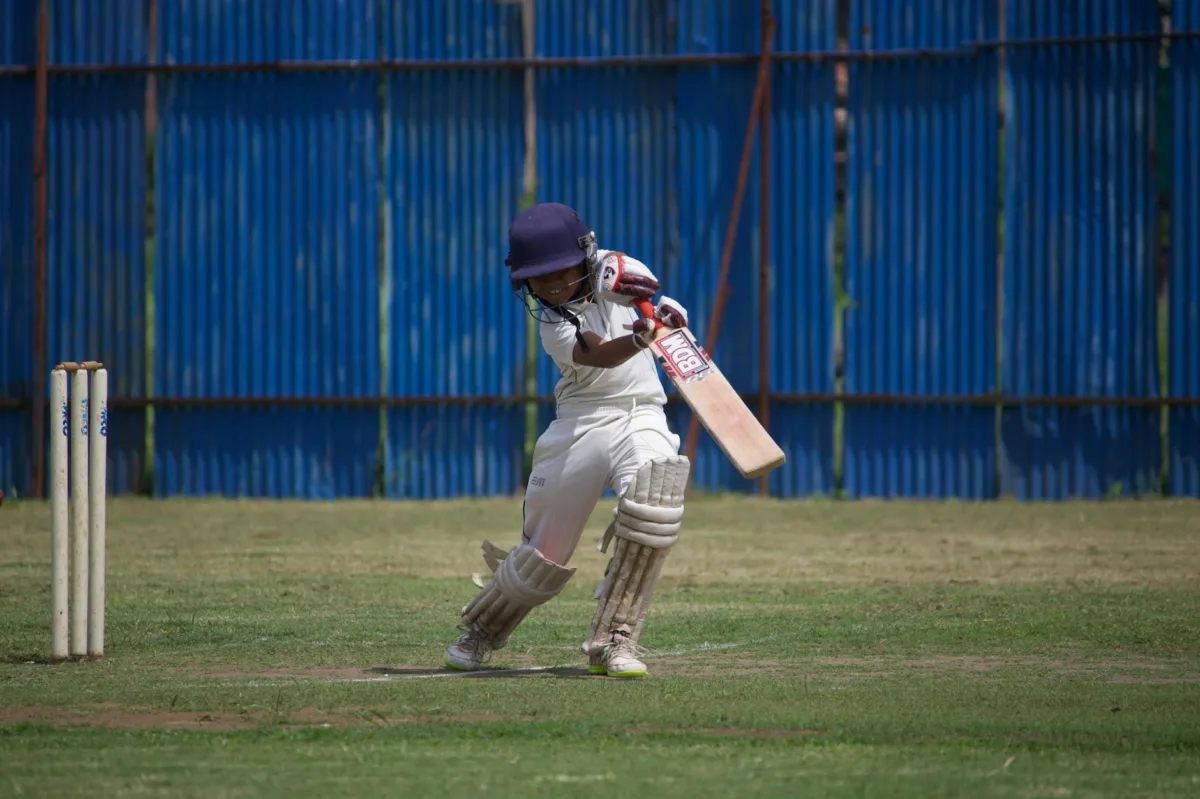










Fifteen-year-old batting sensation Vaibhav Sooryavanshi captured the attention of the cricketing world this week in Jaipur, delivering a record-breaking performance that solidified his status as the youngest and fastest-scoring talent in Indian Premier League (IPL) history. Following a high-octane match that saw him dominate opposing bowlers with professional-grade precision, the teenager received a standing ovation from team owner Sanjiv Goenka, marking a watershed moment for youth development in the league.
A New Era for IPL Talent
The IPL has long served as a global stage for emerging talent, but Sooryavanshi’s rapid ascent is unprecedented. His ability to anchor a high-pressure chase while maintaining an aggressive strike rate has forced analysts to reconsider the traditional developmental timeline for young athletes.
Contextualizing this achievement requires looking at the league’s history of scouting. While franchises have historically prioritized seasoned domestic players, the success of Sooryavanshi signals a pivot toward high-ceiling teenage prospects who are technically equipped to handle elite-level spin and pace bowling from their debut.
Technical Mastery Meets Youthful Composure
During the post-match press conference, the teenager’s demeanor drew as much praise as his technical output. When asked about the weight of his historic performance, Sooryavanshi offered a grounded, candid response, noting that he treated the high-stakes environment with the same focus as his early training sessions.
Data analysts tracking the tournament have highlighted his unconventional shot selection and ability to manipulate field placements. According to league metrics, his efficiency in the powerplay overs currently ranks in the top percentile, effectively shifting the momentum of matches before the middle overs commence.
Expert Perspectives on Development
Industry experts suggest that Sooryavanshi’s success is a testament to the revamped grassroots infrastructure in India. Former coaches note that the integration of advanced biomechanical analysis and sports psychology at the junior level has prepared players to transition into professional leagues with greater ease than in previous decades.
“It is not just about raw power at this age,” one analyst noted. “It is about the mental fortitude to stand in the middle of a packed stadium and execute a game plan under the glare of millions. Sooryavanshi exhibits a level of composure that typically takes years to cultivate.”
Long-term Industry Implications
The immediate impact of this performance is a heightened demand for scouting younger demographics. Franchises are expected to increase their investment in regional academies and talent identification programs to secure the next generation of power-hitters before they reach the age of 18.
For the broader cricket ecosystem, this development raises critical questions regarding player burnout and the necessity of support structures for minors entering the professional spotlight. As the league looks ahead, the focus will remain on whether these young athletes can maintain their trajectory over a grueling multi-month schedule, and how organizations will manage the transition from prodigy to permanent fixture.