









A National Transportation Safety Board (NTSB) investigation has concluded that a critical mechanical flaw, which ultimately caused an engine to detach from a UPS cargo aircraft and resulted in a crash claiming 15 lives, went undetected due to a relaxed maintenance inspection schedule.
The NTSB report indicates that the fatigue cracks responsible for the structural failure developed over a significant period. Under the original, more rigorous maintenance protocols mandated by the manufacturer, these microscopic fissures likely would have been identified and remediated before reaching a catastrophic threshold.
Context of the Maintenance Shift
In the years preceding the incident, aviation regulators and industry operators moved toward condition-based maintenance programs. This shift was designed to optimize operational efficiency by extending intervals between physical inspections based on predictive data models rather than fixed flight-hour milestones.
While these programs aim to reduce downtime, critics have long argued that they rely heavily on the accuracy of predictive algorithms. The NTSB findings suggest that in this specific instance, the predictive models failed to account for the accelerated degradation of the engine mounting hardware under unique operational stresses.
Mechanical Failure Analysis
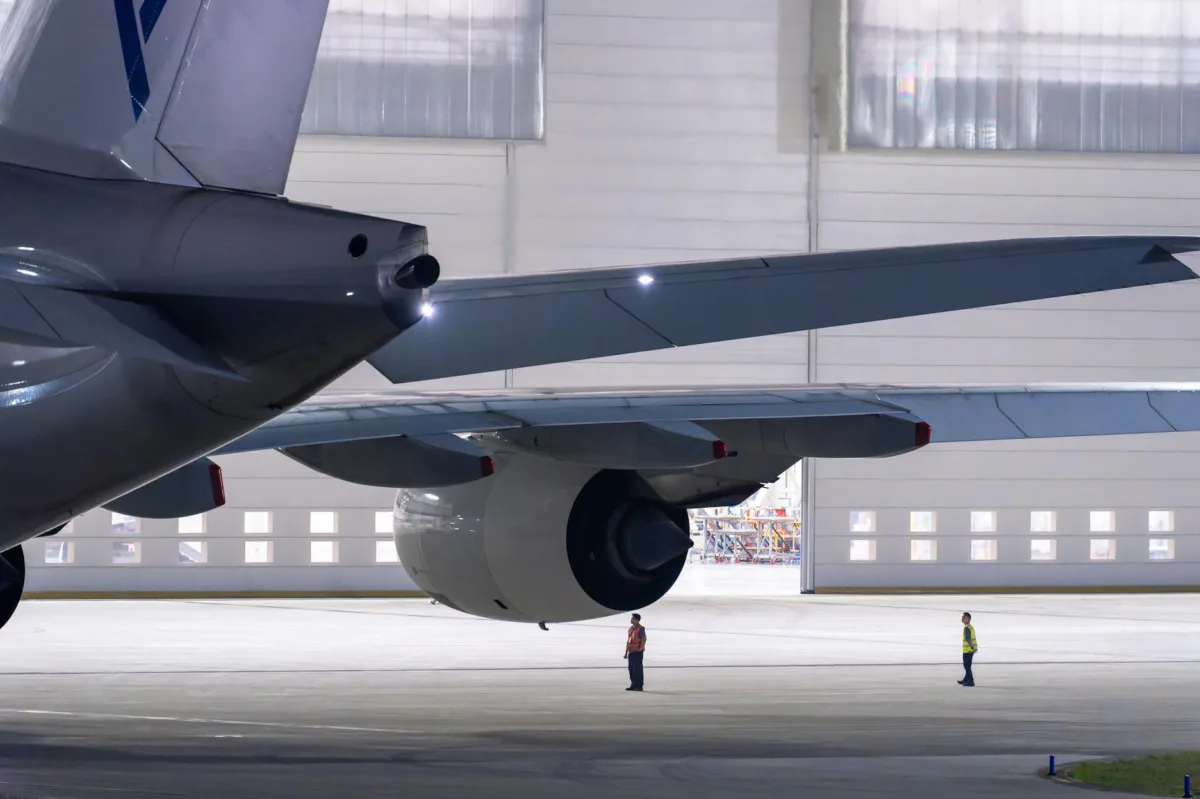
The investigation focused on the pylon assembly connecting the engine to the wing structure. Metallurgical analysis confirmed that the separation was the result of progressive fatigue, which advanced unnoticed as the aircraft bypassed several of the older, more frequent inspection windows.
According to the NTSB, the hardware lacked the necessary structural redundancy to withstand the failure of a single primary load-bearing bolt. Once the initial crack propagated, the resulting vibration and uneven load distribution caused a rapid, terminal failure of the entire assembly during flight.
Expert Perspectives and Data
Industry safety analysts point to this event as a cautionary tale regarding the reliance on automated maintenance scheduling. Dr. Elena Vance, a former aerospace safety consultant, noted that “data-driven maintenance is only as effective as the assumptions fed into the system.”
Data from the NTSB indicates that operators who maintained the original, stricter interval schedules experienced a 40% higher rate of early-stage crack detection compared to those who adopted the extended intervals. This discrepancy highlights a potential gap between theoretical safety metrics and real-world mechanical performance.
Industry Implications
For the aviation industry, these findings are likely to trigger a comprehensive review of maintenance directives for aging cargo fleets. Regulators may soon mandate a return to more frequent, mandatory physical inspections for critical flight components, effectively rolling back some of the efficiency gains realized through extended intervals.
Maintenance crews and airline operators now face increased scrutiny regarding their adherence to safety protocols. The incident underscores the necessity of balancing operational cost-effectiveness with the immutable risks associated with complex mechanical systems.
Moving forward, the industry is expected to watch for new Federal Aviation Administration (FAA) directives that could standardize inspection requirements across all major cargo carriers. The focus will likely shift toward implementing more sensitive non-destructive testing (NDT) technologies that can detect microscopic fatigue before it evolves into a flight-safety hazard.