








Political Tensions Erupt in Kerala Over Oath-Taking Controversy
Kerala’s political landscape faced a fresh wave of scrutiny this week as Opposition Leader V.D. Satheesan drew sharp criticism from within his own party following his recent oath-taking ceremony. The controversy centers on Satheesan’s decision to include his caste surname while taking the oath, a move that sparked immediate backlash from fellow Congress members and social observers who argue that such public displays contradict the secular ethos of the party.
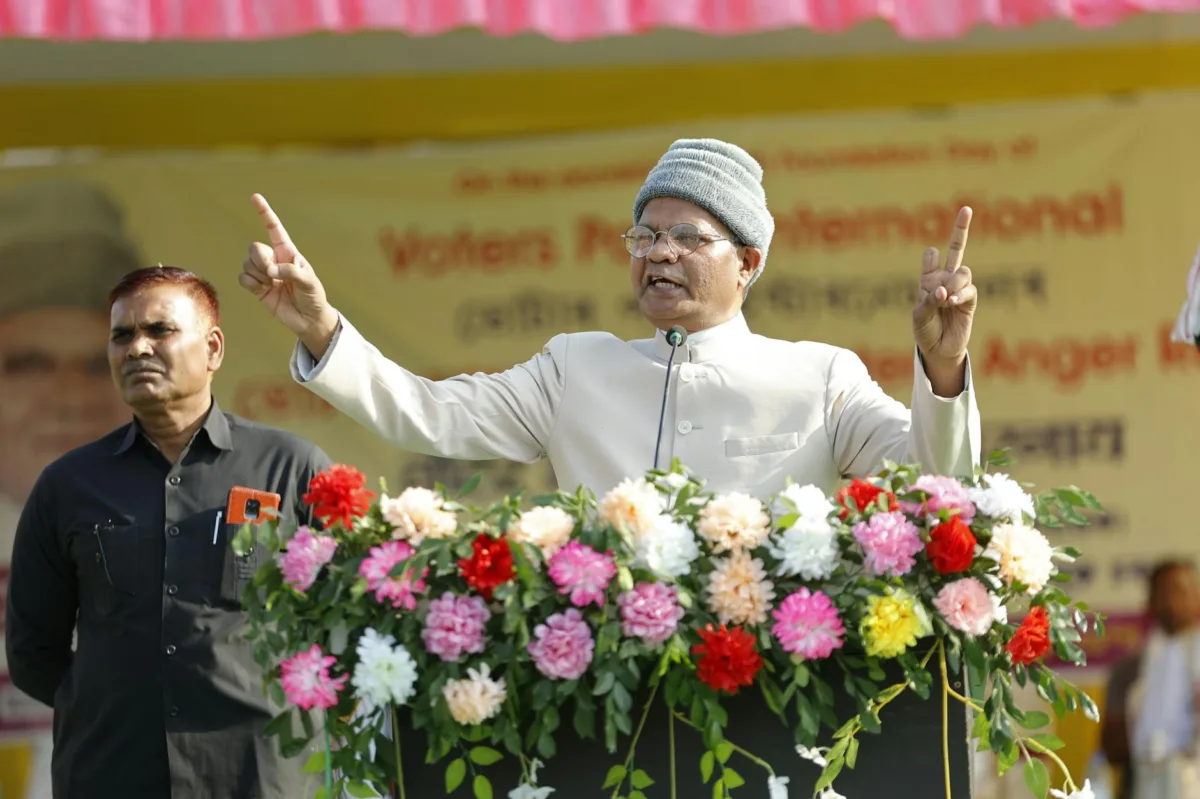
The incident occurred during a high-profile public event, which was also marked by emotional scenes, including a Kerala flood survivor embracing Congress leader Rahul Gandhi. While the event was intended to demonstrate party unity and public solidarity, the focus shifted rapidly to Satheesan’s choice of words, igniting a debate regarding caste identity in modern Indian politics.
The Context of Caste in Kerala Politics
Kerala has historically prided itself on progressive social movements that sought to dismantle rigid caste hierarchies. However, political discourse remains deeply influenced by community-based identities, often referred to as ‘vote bank’ politics. The Congress party, which positions itself as a secular alternative to communal politics, frequently faces internal friction when leaders emphasize traditional identities that may alienate a diverse voter base.
Critics within the Congress party argue that public officials should remain neutral in their rhetoric to avoid reinforcing social divisions. By invoking a caste-based surname, observers suggest that Satheesan may have inadvertently signaled a shift toward identity-centric politics, a trend that many party veterans are eager to avoid as they navigate a challenging electoral environment.
Satheesan’s Defense and Public Reaction
In response to the growing criticism, V.D. Satheesan defended his actions by clarifying that the inclusion of his full name was a personal tribute to his father. He maintained that his intent was not to assert caste identity or promote exclusionary politics, but rather a reflection of family heritage. Despite this explanation, the incident has highlighted the sensitivity surrounding public symbolism in the state.
Political analysts note that this controversy comes at a difficult time for the party, which has been grappling with internal deadlocks regarding leadership roles and policy directions. The public nature of the critique from within the party ranks suggests that the tension is not merely about a single name, but represents a broader disagreement over the party’s ideological messaging.
Broader Industry and Policy Pressures
Beyond the internal political drama, the state is currently navigating significant economic challenges that are testing the administration’s resolve. Private bus operators in the region have recently voiced strong opposition to proposed government initiatives regarding free travel, warning that such measures could lead to the collapse of the industry. This economic strain adds another layer of pressure to the political climate, as the government attempts to balance social welfare programs with private sector sustainability.
These converging pressures—internal ideological disputes and external economic instability—create a volatile environment for the state’s leadership. Observers are now watching to see how the Congress leadership will address these internal fractures and whether they can successfully pivot back to a unified platform that addresses the pressing economic concerns of the electorate.
What to Watch Next
The coming weeks will be critical for the Congress party as it attempts to move past this controversy and address the broader criticisms regarding its leadership structure. Watch for potential policy shifts regarding the transport sector and whether the party will issue formal guidelines concerning the conduct of its members during official public ceremonies. The ability of the leadership to reconcile these internal differences will likely determine their effectiveness in upcoming legislative sessions.