







Health authorities across Sri Lanka have declared a nationwide dengue alert following a sharp increase in infections that has pushed the total number of cases to nearly 30,000 during the first half of 2026. With 15 confirmed deaths reported to date, the Ministry of Health and local community organizations, including parish-based prevention committees, have mobilized to curb the spread of the mosquito-borne virus as monsoon rains exacerbate breeding conditions.
Context of the Current Outbreak
Dengue fever remains a recurring public health challenge in Sri Lanka, typically peaking during the island’s biannual monsoon cycles. The recent surge is largely attributed to erratic weather patterns that have left stagnant water in urban and rural environments, providing ideal habitats for Aedes aegypti mosquitoes.
Public health experts note that this year’s figures are particularly concerning due to the overlap with other vector-borne diseases, including malaria and filariasis. The rapid rise in cases has placed significant pressure on the national healthcare system, which is currently balancing routine patient care with the influx of fever-related admissions.
Community and Government Response
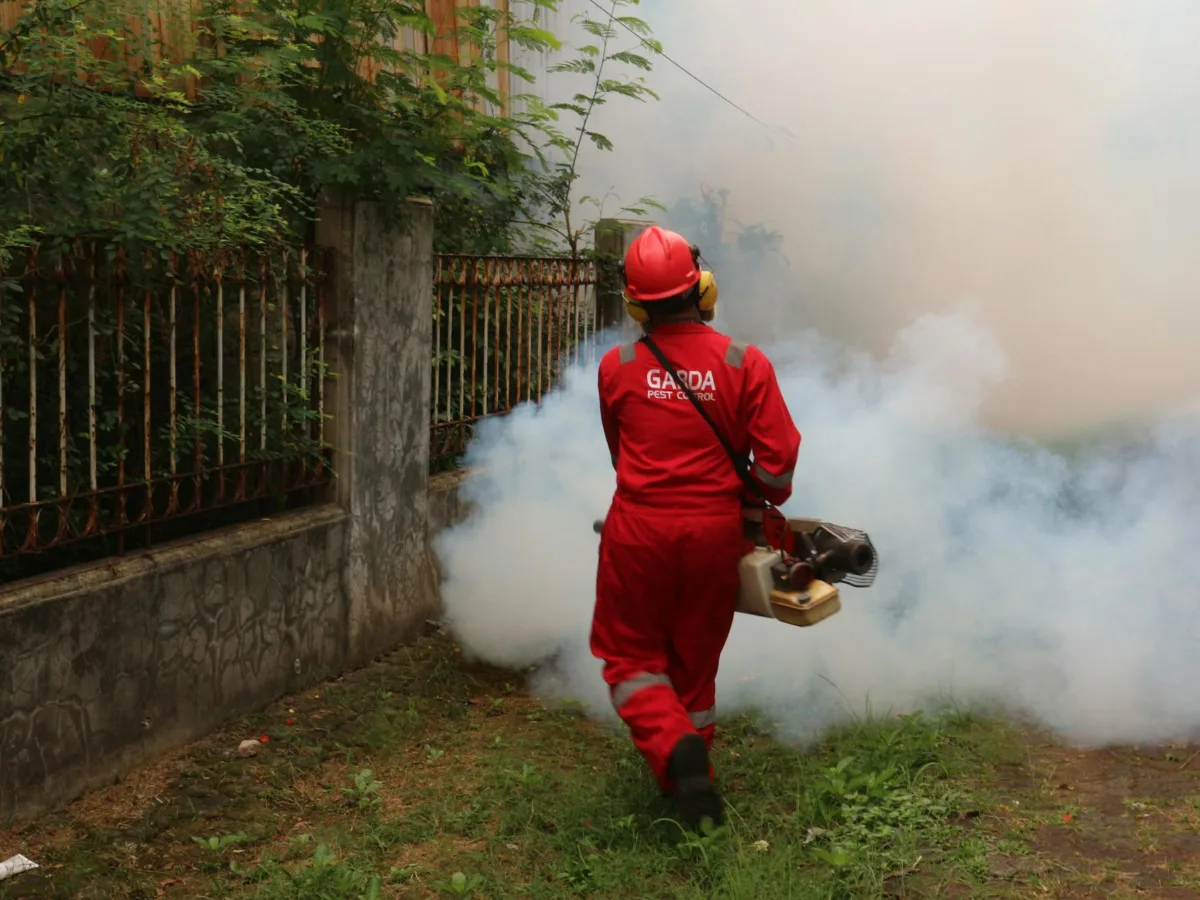
In response to the rising numbers, the government has launched intensified vector control programs, focusing on fogging operations and the removal of potential breeding sites. These state-led efforts are being supplemented by local initiatives, such as the establishment of parish-level prevention committees.
These grassroots committees are tasked with conducting household inspections to identify and destroy mosquito larvae. By engaging community members directly, health officials hope to foster a sense of shared responsibility in maintaining sanitary environments.
Data and Expert Analysis
Epidemiological data from the Ministry of Health indicates that high-density urban zones remain the primary hotspots for transmission. While medical professionals emphasize that early detection is critical, the sheer volume of cases is testing the diagnostic capacity of local clinics.
Dr. Anura Perera, an expert in infectious diseases, highlights that the current environmental conditions are facilitating a faster lifecycle for the mosquito population.