





Public Health Milestones in HPV Immunization
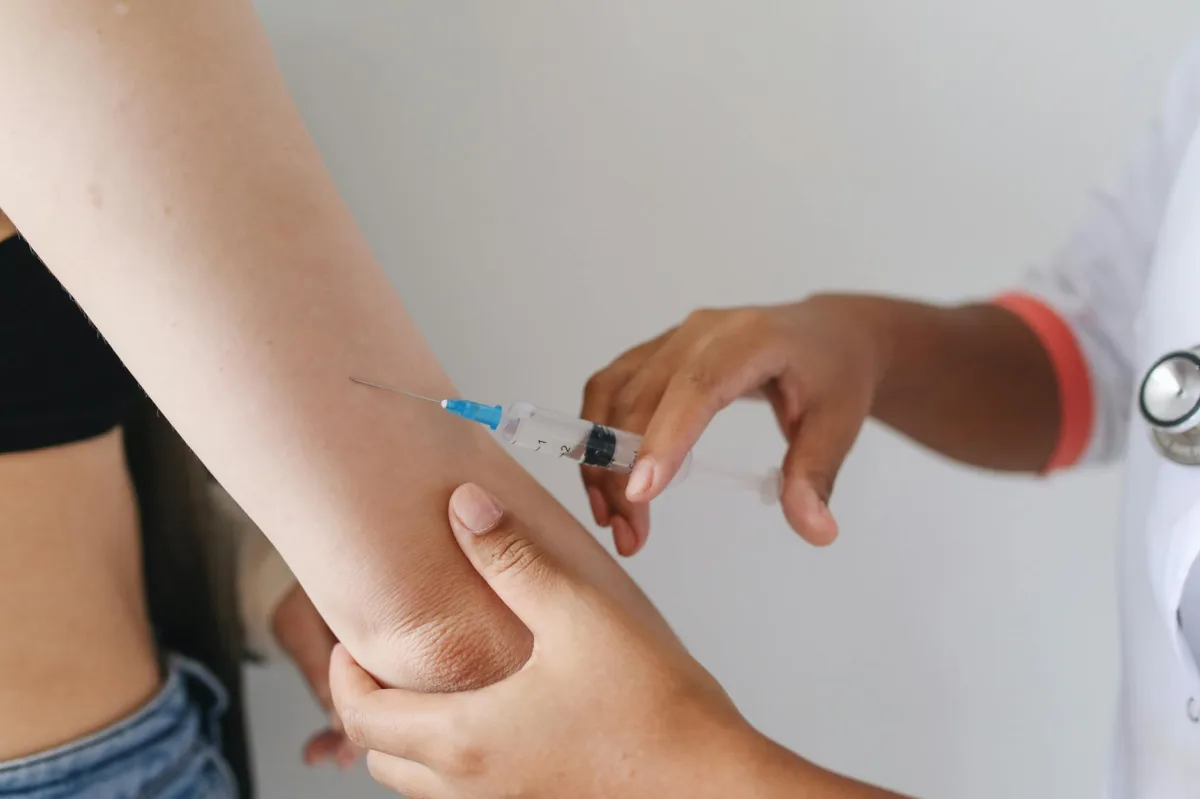
Public health authorities in India have accelerated their efforts to combat cervical cancer this month, reporting a significant surge in human papillomavirus (HPV) vaccinations among adolescent girls. In Kozhikode, Kerala, officials confirmed that 6,797 girls aged 14 have received the vaccine, marking a pivotal step in the national effort to provide widespread protection against the virus. This regional success mirrors a broader national trend, with recent data indicating that over 11,000 girls have now received the shot across various states, signaling a shift in public uptake after a historically slow start.
Context and Vaccine Rollout Progress
The HPV vaccine is widely recognized by medical professionals as the most effective tool for preventing cervical cancer, which remains a leading cause of cancer-related mortality among women in India. Despite its clinical importance, the rollout has faced logistical challenges and public hesitancy in some regions. To address these gaps, state governments are now coordinating with local administrators to streamline distribution. Reports from The Times of India indicate that a comprehensive state-level rollout is expected within the next two weeks, aiming to reach thousands more eligible teenagers.
Community Engagement and Educational Outreach
The uptick in vaccination numbers is attributed to intensified awareness campaigns and proactive local government intervention. In districts like Hamirpur, Deputy Commissioners have taken an active role in community outreach, personally leading initiatives to educate parents and students on the safety and necessity of the vaccine. These efforts focus on dispelling myths and providing accurate medical information to families. By demystifying the immunization process, local officials are successfully overcoming the initial barriers of misinformation that previously hindered participation.
Diverse Perspectives on Policy and Implementation
While the vaccination drive gains momentum, it has also sparked a national dialogue regarding the scope and ethics of the program. Advocates, including members of the National Alliance of People’s Movements (NAPM), have called for a more inclusive approach. These organizations are lobbying for a gender-neutral vaccination policy that would provide coverage to all adolescents, arguing that such a strategy is essential for achieving herd immunity and ensuring ethical parity. Health experts emphasize that while the current focus on girls aged 14 is a vital starting point, the long-term efficacy of the program will depend on sustained funding and universal access.
Future Implications for Public Health
The rapid increase in vaccination rates suggests that public trust is growing as the logistical framework for distribution stabilizes. As states prepare for the upcoming phase of the rollout, observers should monitor how government health departments balance the immediate need for cervical cancer prevention with calls for broader, gender-neutral health mandates. The coming months will likely see an expansion of school-based health initiatives, which are expected to be the primary vehicle for reaching target demographics. Sustaining this momentum will be critical for India to achieve its long-term goal of significantly reducing the incidence of HPV-related diseases across its population.


