









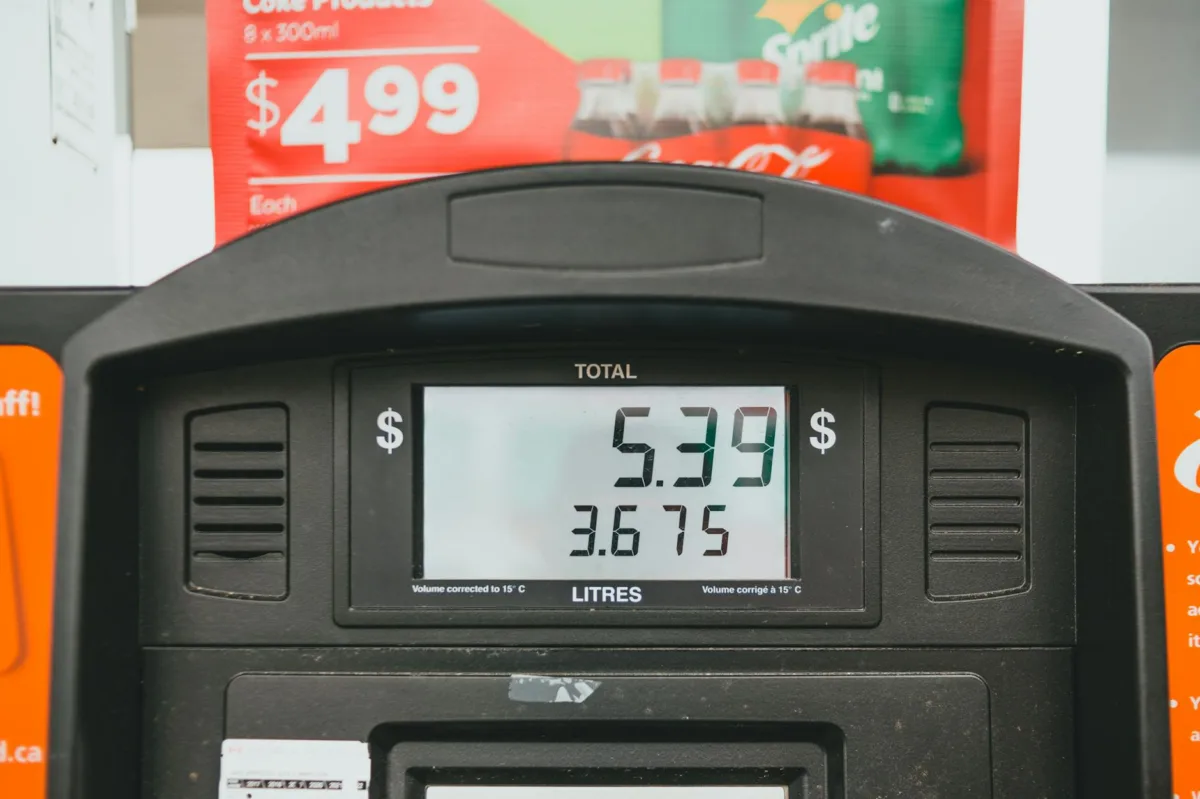
Consumers across India are facing renewed financial pressure as oil marketing companies implemented another round of fuel price hikes on May 20, marking a cumulative increase of nearly Rs 4 per liter in a single week. The latest adjustments, which saw petrol and diesel prices rise by 90 paise per liter, have ignited widespread concern among commuters and business owners in major metropolitan hubs including Delhi, Mumbai, Kolkata, and Hyderabad.
The Context of Rising Energy Costs
This upward trend in fuel pricing represents a significant shift from the relative stability observed in recent months. While the central government has highlighted that there have been four instances of fuel price cuts over the past four years, the current rapid succession of hikes—occurring twice within a four-day window—has disrupted household budgets and commercial logistics.
Economic Impact on Local Markets
The consequences of these price surges are being felt most acutely in the transportation and food service sectors. In cities like Vijayawada, local reports indicate that the rising cost of diesel has forced operators to increase auto-rickshaw fares to offset operational overheads. Furthermore, the inflationary pressure has extended to the supply chain, resulting in higher meal costs at local eateries as restaurateurs struggle to balance increased transport expenses with consumer affordability.
Expert Perspectives and Data Trends
Financial analysts note that fuel prices in India are largely indexed to international crude oil benchmarks and currency fluctuations. The recent volatility underscores the vulnerability of the domestic market to global supply chain disruptions. According to market data, these incremental daily hikes prevent the shock of a single massive price spike, yet they impose a relentless, compounding burden on the lowest-income brackets, who spend a disproportionately high percentage of their earnings on energy and transit.
Industry and Consumer Implications
For the logistics and freight industry, these price adjustments necessitate a reevaluation of delivery surcharges, which will inevitably be passed down to the end consumer. Small business owners are currently facing a dual challenge: maintaining competitive pricing while absorbing the rising costs of fuel-dependent logistics. Households are expected to tighten discretionary spending, particularly in urban areas where reliance on private vehicles and ride-hailing services is high.
Future Outlook and Watchpoints
Moving forward, market observers are closely monitoring international oil production quotas and geopolitical stability to determine if this trend will continue. The primary focus for the coming weeks will be whether the government intervenes with excise duty adjustments to mitigate the impact on inflation. Consumers should remain alert for further daily price notifications, as the current volatility suggests that the cost of fuel will remain a primary driver of broader consumer price index fluctuations throughout the next fiscal quarter.