









The Shift Toward Precision Nutrition
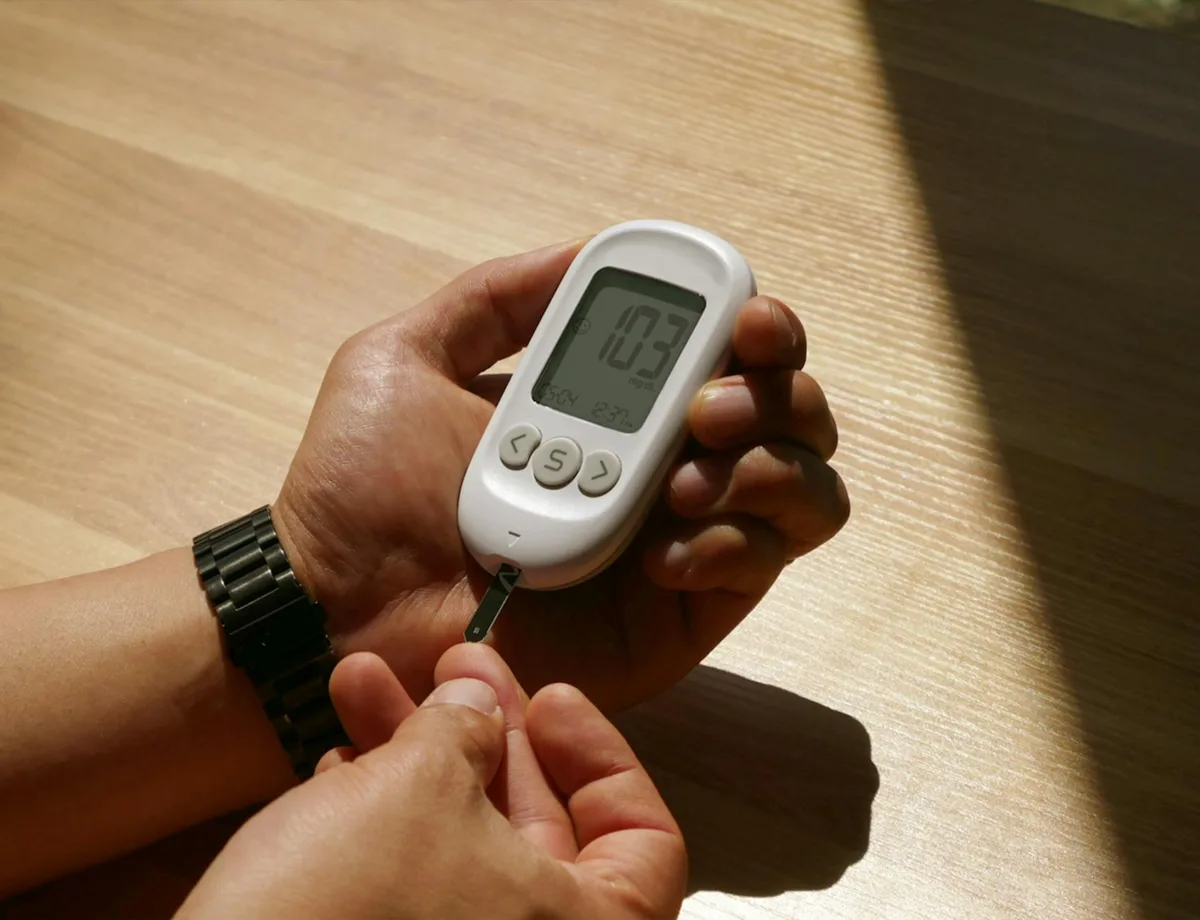
Over the past four months, a growing number of endurance athletes and fitness enthusiasts have begun utilizing Continuous Glucose Monitors (CGMs)—devices traditionally reserved for diabetes management—to track real-time metabolic responses to food. By monitoring blood sugar fluctuations during training and recovery, runners and cyclists are gaining granular insights into how specific macronutrients impact their performance and energy stability. This trend, highlighted by recent personal accounts in publications like Vogue India, marks a significant transition from generalized dietary advice to data-driven, individualized nutrition strategies.
Understanding the Metabolic Data
Historically, CGMs were developed to help patients with Type 1 and Type 2 diabetes manage hypoglycemia and hyperglycemia by providing a continuous stream of glucose readings via a subcutaneous sensor. For a healthy athlete, however, the data serves a different purpose: identifying “glucose spikes” and “crashes” that can lead to premature fatigue or sub-optimal recovery. By observing these patterns, users can adjust the timing of their carbohydrate intake to ensure a steady supply of fuel during long-distance efforts.
The Science of Performance Optimization
The core appeal of CGM technology lies in the variability of individual metabolic responses. Research published in journals such as Nature Metabolism suggests that even two individuals eating the same meal may experience vastly different glucose responses due to factors like gut microbiome composition, sleep quality, and stress levels. For the runner, this means that a standard “pre-run” snack of oatmeal might be ideal for one person but cause a sluggish glucose spike for another.
“The data removes the guesswork from fueling,” says Dr. Elena Rossi, a sports nutritionist specializing in metabolic health. “Athletes are learning that their bodies have unique requirements that generic caloric guidelines simply cannot address.” By mapping food intake against training intensity, athletes are discovering that they can avoid the dreaded “bonk”—a state of glycogen depletion—by precisely timing their glucose intake based on real-time feedback.
Industry Implications and Ethical Considerations
The mainstream adoption of medical-grade technology by healthy populations has sparked debate within the healthcare community. Critics argue that relying on sensors may encourage orthorexic behaviors or lead to unnecessary anxiety over normal physiological fluctuations. Furthermore, as demand for CGM devices surges among non-diabetics, supply chain constraints could potentially impact access for those who require the devices for medical necessity.
Despite these concerns, the health technology sector is moving forward. New iterations of wearable devices are integrating glucose tracking with heart rate variability and sleep data, creating a holistic view of human performance. Manufacturers are increasingly positioning these tools not just as medical devices, but as essential components of a high-performance wellness ecosystem.
What to Watch Next
As the market for metabolic wearables matures, the next frontier will be the integration of artificial intelligence to provide actionable recommendations rather than raw data. Watch for mobile applications that automatically suggest meal adjustments based on a user’s historical glucose trends. Additionally, regulatory bodies will likely face increasing pressure to define the boundary between medical necessity and elective health optimization, which could shape the future accessibility and pricing of these devices.