









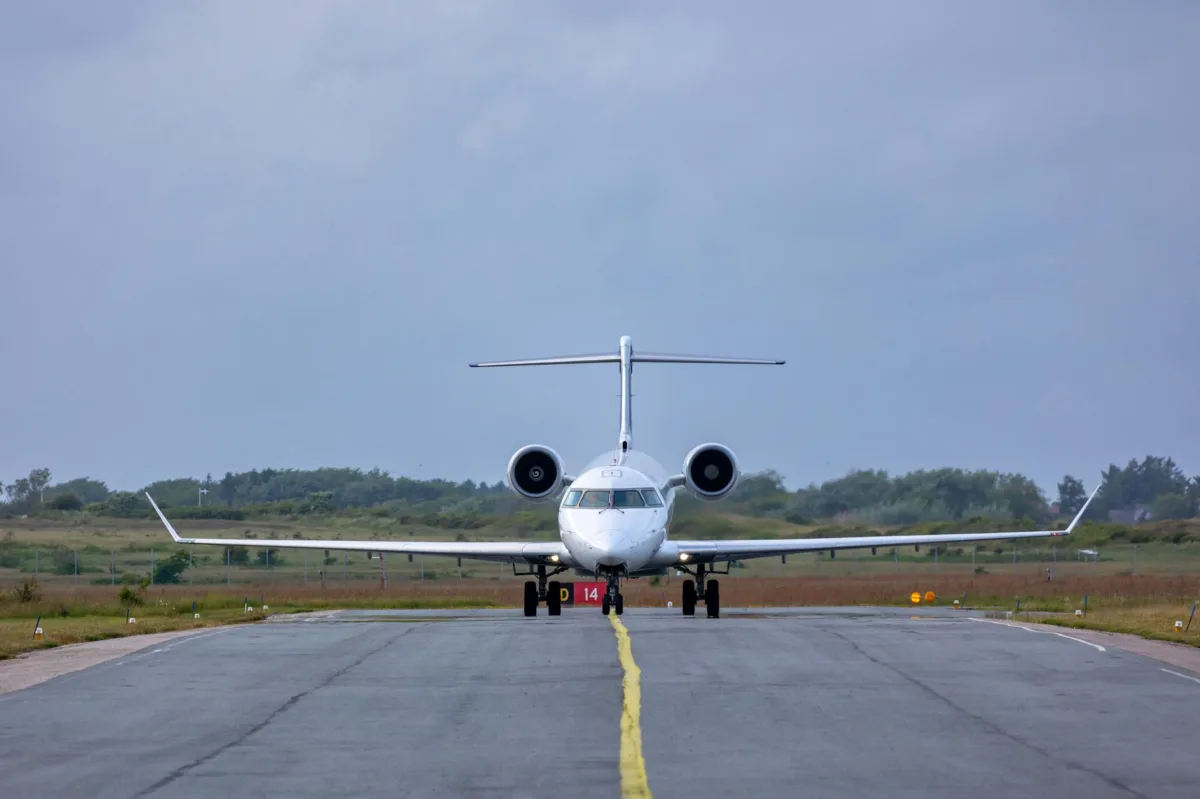
An Air India flight arriving from New Delhi sustained a tail strike during its landing sequence at Kempegowda International Airport in Bengaluru earlier this week. The incident, which occurred during the touchdown phase, forced aviation authorities to ground the aircraft for mandatory safety inspections, resulting in the immediate cancellation of its return service to the capital.
Understanding the Mechanics of a Tail Strike
A tail strike occurs when the aft section of an aircraft’s fuselage makes contact with the runway surface during takeoff or landing. This typically happens when the pilot pitches the nose of the plane up too aggressively or at an incorrect angle, causing the lower rear portion of the fuselage to descend into the path of the tarmac.
While modern commercial aircraft are designed to withstand minor structural stresses, tail strikes are classified as serious incidents. They can cause damage to the fuselage skin, internal structural frames, and critical systems housed in the rear of the plane, including sensors and drainage masts.
Safety Protocols and Investigative Procedures
Following the incident, Air India initiated standard safety protocols, grounding the aircraft to allow engineering teams to conduct a comprehensive damage assessment. The Directorate General of Civil Aviation (DGCA) has been notified, as per regulatory requirements for all commercial aviation incidents in India.
According to aviation safety data, tail strikes are often linked to factors such as incorrect approach speeds, sudden wind gusts, or pilot inputs during the flare—the final maneuver before touchdown. The airline has stated that it is cooperating fully with the investigation to determine the precise sequence of events that led to the contact.
Industry Implications and Passenger Impact
For passengers, the incident resulted in significant travel disruptions, as the return leg of the flight was scrubbed to prioritize safety over schedule. Air India officials confirmed that alternative arrangements were made to accommodate affected travelers, though the grounding of the aircraft highlights the logistical challenges airlines face when mechanical incidents occur at high-traffic hubs.
This event serves as a reminder of the rigorous safety margins maintained in commercial aviation. The aviation industry utilizes black box data and flight recorder analysis to refine training modules, ensuring that pilots can mitigate the risk of such incidents during the critical phases of flight.
Future Oversight and Aviation Safety Trends
Moving forward, the aviation regulator is expected to review the flight data recorder logs to identify whether the strike was caused by environmental conditions, technical anomalies, or human error. The findings will likely be integrated into future pilot training programs to enhance landing precision.
Industry observers should look for upcoming reports from the DGCA, which will provide clarity on the extent of the repairs required and whether additional oversight is needed for the specific aircraft model involved. As air traffic density continues to rise across India’s major airports, the focus on landing safety and runway management remains a top priority for both airline operators and airport authorities.