









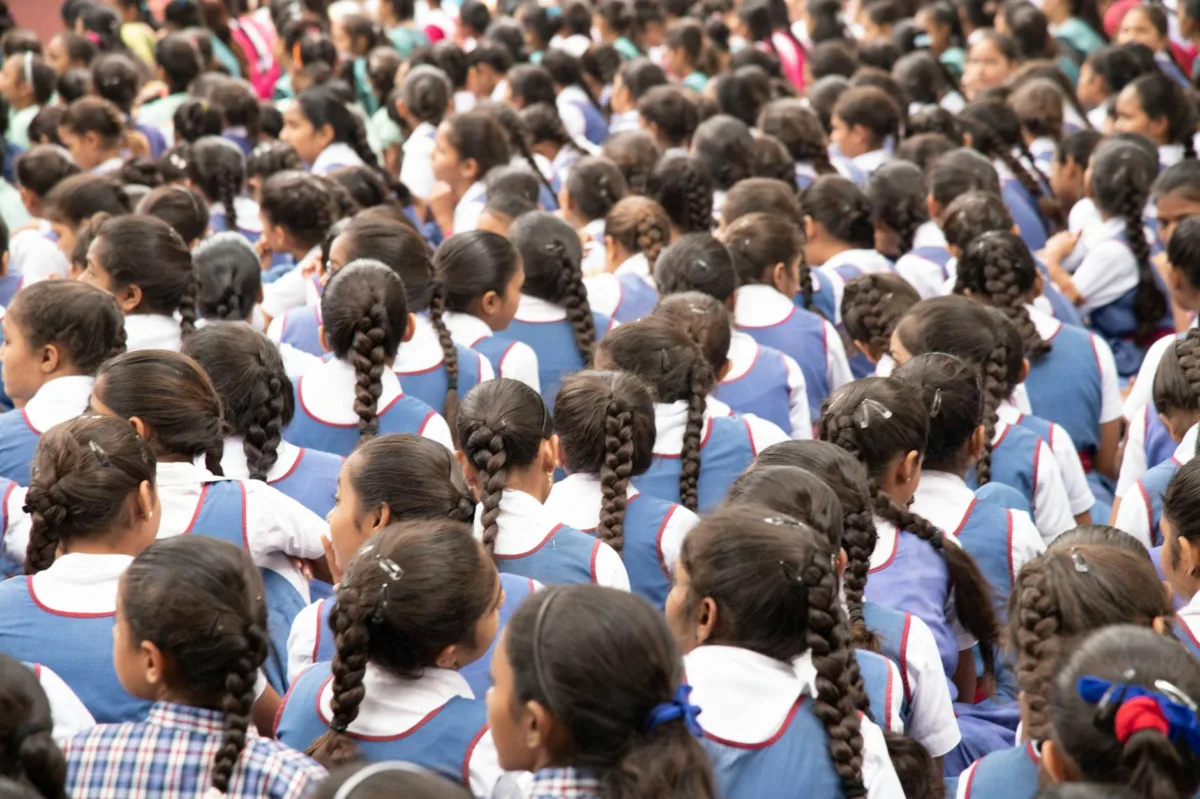
The West Bengal government has officially mandated the recitation of the national song, ‘Vande Mataram,’ across all state-aided and state-recognized madrasas, extending a policy previously implemented in government-run schools. This directive, issued by the state administration, requires students and staff to participate in the singing of the anthem, signaling a shift in the operational protocols for Islamic educational institutions throughout the region.
Context and Policy Expansion
The decision follows a broader trend of state-led initiatives aimed at standardizing patriotic observances within educational frameworks across India. For years, ‘Vande Mataram’ has served as a central symbol of the Indian independence movement, and its inclusion in school curricula has been a subject of ongoing national discourse regarding secularism and national identity.
Previously, the state government had successfully enforced similar mandates in secular government schools, which faced varying levels of compliance and public debate. By extending this requirement to madrasas, the government is aligning the administrative expectations of these religious institutions with those of the general state-run school system.
Institutional and Social Implications
The move has elicited diverse reactions from stakeholders within the education sector. Supporters of the mandate argue that it fosters a sense of national unity and shared heritage among students regardless of their religious background. Proponents emphasize that the song is an expression of national pride and an essential component of patriotic education.
Conversely, some observers and community leaders have raised questions regarding the autonomy of private and religious-run educational institutions. The debate often touches upon the intersection of religious practice and state-mandated secular traditions, with critics arguing that such directives could be perceived as an encroachment on the cultural freedom of minority institutions.
Expert Perspectives and Data
Educational policy experts note that the integration of national symbols into daily school routines is a common practice in many nations to instill civic values. However, the specific context of West Bengal’s diverse social landscape makes the implementation a matter of significant political and public interest.
According to government records, there are thousands of state-aided madrasas across West Bengal serving a significant portion of the minority student population. The logistical challenge of enforcing this mandate across geographically dispersed districts will be the next phase of the policy rollout, requiring coordination between the education department and local school administrators.
Future Outlook
Observers are now looking toward how individual madrasa administrations will navigate the implementation process and whether the government will issue further guidelines to ensure consistency. The coming months will likely see a monitoring phase as officials assess compliance levels and address any operational hurdles.
Industry analysts suggest that this policy may serve as a bellwether for future educational reforms in the state. Stakeholders will watch closely to see if this mandate triggers legal challenges or if it leads to a broader discussion regarding the balance between state authority and institutional independence in the educational sector.