





A Political Pivot on Renewable Energy
Nassau County Executive Bruce Blakeman, currently a Republican candidate for governor of New York, has recently made questioning the state’s commitment to green energy a central pillar of his platform. However, public records and past media appearances reveal that in 2017, Blakeman was a vocal executive for a green energy startup that sought a multibillion-dollar federal contract to construct a solar-paneled border wall.
From Solar Entrepreneur to Energy Skeptic
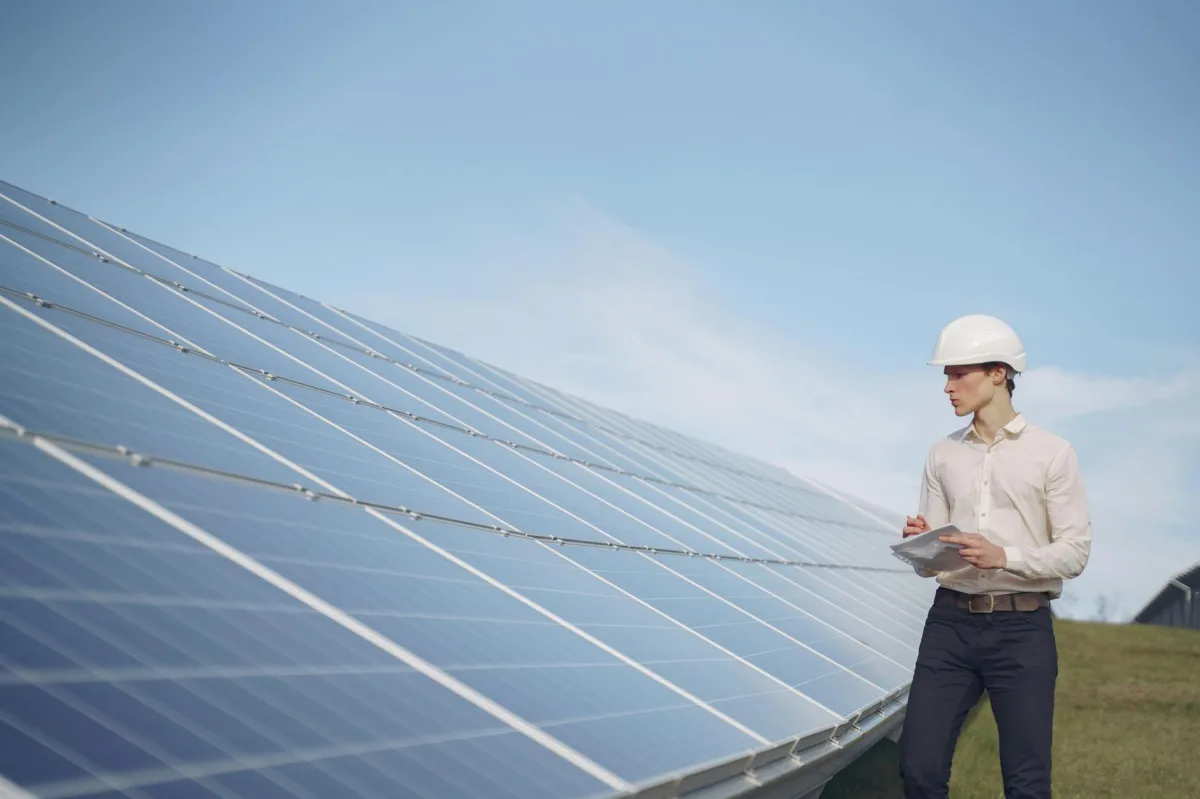
Shortly after the 2017 inauguration of President Donald Trump, Blakeman founded Sustainable Technology LLC. He gained national attention by pitching a 30-foot-tall solar barrier along the Mexican border, which he argued would generate enough electricity to offset construction costs while providing security. During appearances on Fox News, Blakeman touted the project as a “win, win, win” for American energy and infrastructure.
Today, Blakeman’s rhetoric regarding solar power has shifted dramatically, particularly concerning its application in New York. While visiting Schoharie County last month, he dismissed state-led solar initiatives as a “scam,” citing concerns over climate conditions such as snow cover. He argued that the cost-benefit analysis for green energy in the state does not provide an adequate return for taxpayers.
Industry and Environmental Perspectives
The contrast in Blakeman’s position has drawn criticism from environmental advocates who point to the widespread adoption of solar technology in his own jurisdiction. Adrienne Esposito of the Citizens Campaign for the Environment noted that solar energy has been successfully embraced by businesses and residents across Long Island for decades. She described the current political opposition to solar as “bizarre” given the proven growth of the industry in the region.
Blakeman maintains that his skepticism is geography-specific. During his recent remarks, he clarified that he remains a “big proponent” of solar energy in states like Arizona, where high levels of sunshine and warmer temperatures make the technology more efficient. He argues that such regional distinctions are vital when considering state-level energy policy.
Implications for Future Energy Policy
The discrepancy between Blakeman’s private sector history and his current political messaging highlights the increasingly contentious role of renewable energy in state electoral politics. As New York faces ongoing debates regarding climate goals and infrastructure spending, voters are left to weigh whether such shifts in policy reflect a calculated reaction to local economic realities or a broader ideological realignment. Observers will be watching to see how candidates reconcile their past business ventures with their current legislative agendas as the gubernatorial race progresses.