








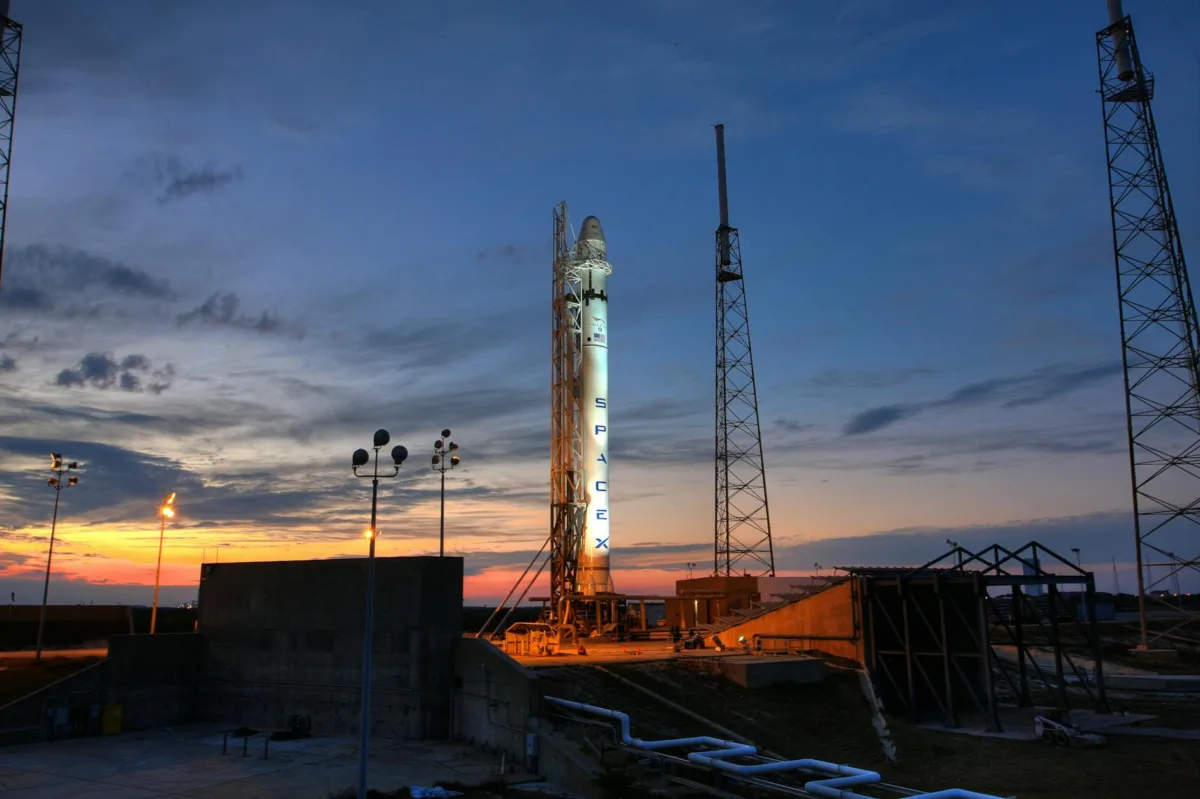
The Path Toward a Public SpaceX
SpaceX, the aerospace titan led by Elon Musk, has initiated preparations for what is widely projected to be the largest public offering in history, with market analysts projecting a valuation as high as $2 trillion. The move, confirmed through recent filings and institutional investor briefings, signals a pivotal transition for the company from a private entity to a publicly traded powerhouse, aiming to leverage capital markets to accelerate its dual focus on interplanetary rocketry and advanced artificial intelligence.
Contextualizing the Aerospace Giant
Founded in 2002, SpaceX has spent over two decades fundamentally disrupting the aerospace industry through the development of reusable launch vehicles like the Falcon 9 and the Starship program. The company’s trajectory shifted significantly with the deployment of Starlink, its satellite-based internet constellation, which provided a recurring revenue stream that transformed the firm’s financial profile. This transition from a project-based government contractor to a telecommunications and transport provider has set the stage for its current market valuation.
The Vision Behind the Valuation
The proposed IPO is not merely a fundraising event but a referendum on Musk’s broader technological manifesto, which increasingly integrates space logistics with artificial intelligence. According to institutional prospectuses, the company intends to utilize the influx of capital to scale Starship production to unprecedented levels, aiming to lower the cost of orbital transport to a fraction of current industry standards. Financial analysts observe that investors are valuing SpaceX not just as a launch provider, but as a critical infrastructure layer for the future digital and physical economy.
Expert Perspectives and Market Data
Market observers at Reuters and The Economist have highlighted that the $2 trillion figure rests on the assumption that SpaceX will maintain its near-monopoly on orbital heavy-lift capabilities. Data from recent private secondary market trading, tracked via platforms like Binance, indicates that institutional appetite for SpaceX equity has surged in anticipation of the public listing. However, some analysts caution that the company’s reliance on Musk’s multifaceted vision—which includes rapid, high-risk development cycles—introduces unique volatility factors rarely seen in traditional aerospace valuations.
Implications for the Industry
For the broader space sector, a public SpaceX listing will likely force competitors to consolidate or seek alternative capital structures to remain relevant. Public markets will demand a shift toward greater transparency, potentially cooling the company’s experimental culture while simultaneously providing the liquidity required to dominate the emerging cislunar economy. Retail investors may soon gain direct access to a company that has historically been the exclusive domain of venture capitalists and sovereign wealth funds.
Future Developments to Watch
The coming months will be defined by the SEC filing process, where the company must reconcile its unconventional, manifesto-driven business model with the rigorous disclosure requirements of public exchanges. Observers should monitor the specific allocation of proceeds toward AI-driven autonomous flight systems versus pure hardware manufacturing. Furthermore, the market will look for clear guidance on how Starlink’s integration with future terrestrial AI services will generate long-term yield for shareholders.