







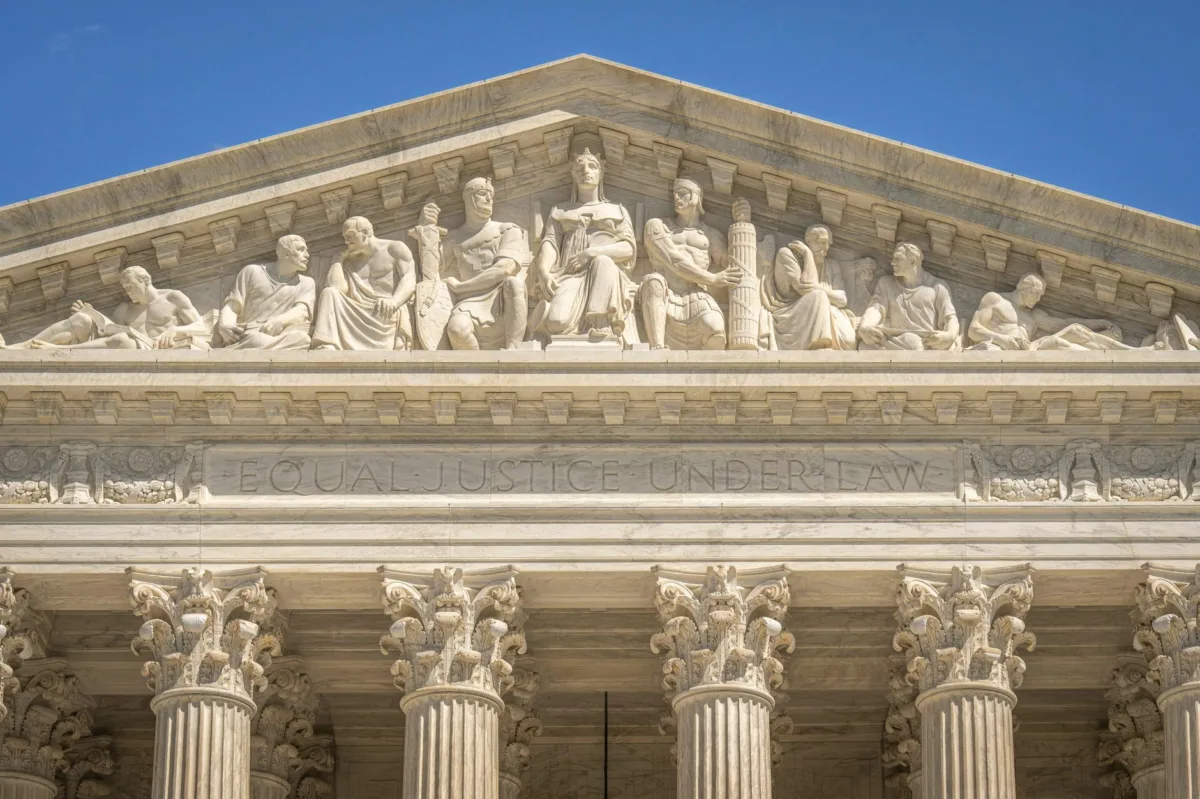
The United States Supreme Court issued a landmark ruling this week, siding with a U.S. company seeking to reclaim assets or compensation for property confiscated by Fidel Castro’s revolutionary government more than 65 years ago. The decision marks a significant shift in legal precedent, potentially clearing the way for thousands of American citizens and corporations to pursue damages for land and businesses seized during the 1959 Cuban Revolution.
A Legacy of Confiscation
Following the rise of Fidel Castro, the revolutionary government enacted a series of laws that nationalized virtually all foreign-owned assets on the island. The U.S. State Department estimates that thousands of claims have remained unresolved for decades, totaling billions of dollars in adjusted value. For generations, these claims were largely stalled by complex diplomatic hurdles and the lack of a formal mechanism to enforce international property rights against the Cuban state.
The Legal Shift
The Supreme Court’s decision centers on the interpretation of the Foreign Sovereign Immunities Act (FSIA), which generally protects foreign nations from being sued in U.S. courts. However, the Court narrowed the scope of these protections, establishing that commercial entities can pursue litigation if the property in question is being used for profit-generating activities by the foreign state. This interpretation effectively removes the immunity shield that Cuba has relied upon to avoid litigation in American jurisdictions.
Expert Perspectives and Economic Impact
Legal analysts suggest that this ruling could lead to a wave of litigation in federal courts across the country. “This is a watershed moment for property claimants who have spent decades waiting for a viable legal pathway,” noted constitutional law expert Dr. Elena Vance. Data from the Foreign Claims Settlement Commission indicates that there are currently nearly 6,000 certified claims involving property in Cuba, with an estimated value exceeding $8 billion when adjusted for inflation and interest.
Broader Implications for International Law
The ruling carries significant weight for international relations and the future of U.S.-Cuba trade policies. By allowing domestic courts to preside over these historical grievances, the judiciary is effectively bypassing the long-standing diplomatic stalemate between Washington and Havana. Critics of the ruling argue that it could complicate future efforts at normalization, as the Cuban government maintains that the nationalizations were legal under international law at the time they occurred.
Future Outlook
Observers are now watching for how lower courts will apply this precedent to pending cases involving diverse assets, ranging from industrial manufacturing sites to agricultural land. As plaintiffs begin to file new motions, the focus will shift toward the practical enforceability of these judgments, particularly regarding how claimants might seize Cuban assets located within the United States. The legal community expects a flurry of activity in the coming months as firms assess the viability of their long-dormant claims against the island nation.