








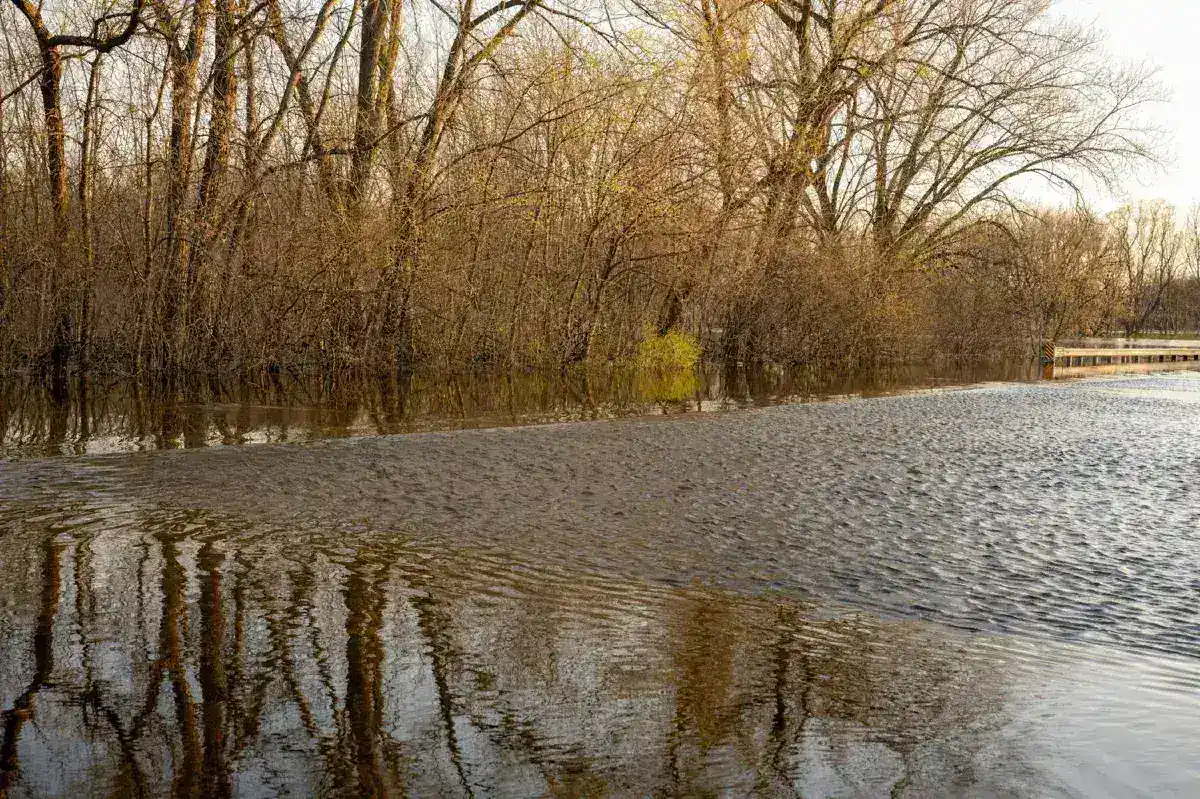
The Texas Board of Nursing has suspended the license of a co-director at Camp Mystic, citing a failure to evacuate children during a catastrophic flash flood in the summer of 2023. The regulatory body issued a scathing order this week, alleging that the administrator remained inactive while water levels rose rapidly, endangering the lives of campers at the Hunt, Texas facility.
Background on the Incident
Camp Mystic, a long-standing youth summer camp situated along the banks of the Guadalupe River, has operated for decades in a region known for sudden, intense flooding. In 2023, heavy rainfall triggered a swift rise in river levels, prompting emergency responses across the Texas Hill Country. Investigations into the facility’s emergency protocols were launched shortly after the event to determine if leadership adequately protected minors in their care.
Allegations of Inaction
According to the official order from the Texas Board of Nursing, the co-director failed to implement established emergency evacuation procedures as the floodwaters began to breach camp grounds. Investigators claim that despite clear warnings of rising water, the director did not direct staff to move children to higher ground in a timely manner. The board characterized this lack of decisive action as a professional failure that placed vulnerable children at significant risk of physical harm or death.
Regulatory and Legal Implications
The suspension marks a significant escalation in the regulatory oversight of youth camps in Texas, which are often governed by a complex mix of state licensing and private oversight. Legal experts suggest that this disciplinary action reflects a broader trend of increased accountability for individuals in positions of trust. By targeting the nursing license of an administrator, the board is emphasizing that professional licensure carries a duty of care that extends beyond clinical settings to include crisis management and safety oversight.
Industry Impact
This ruling serves as a warning to camp operators across the state regarding the necessity of rigorous, tested emergency preparedness plans. Industry analysts note that insurance premiums and licensing requirements for summer camps may become more stringent in the wake of this investigation. Operators are now being urged to conduct frequent, unannounced drills to ensure that staff members are capable of executing evacuations without hesitation, regardless of the time of day or the severity of the weather.
Future Outlook
As the legal proceedings continue, the camp community is bracing for potential changes in state statutes governing disaster response in seasonal residential facilities. Observers will be watching to see if the Texas Legislature introduces new bills mandating mandatory flood-evacuation certification for camp directors. Furthermore, the outcome of this suspension could set a legal precedent for how the state handles negligence claims involving administrative decisions during natural disasters.