





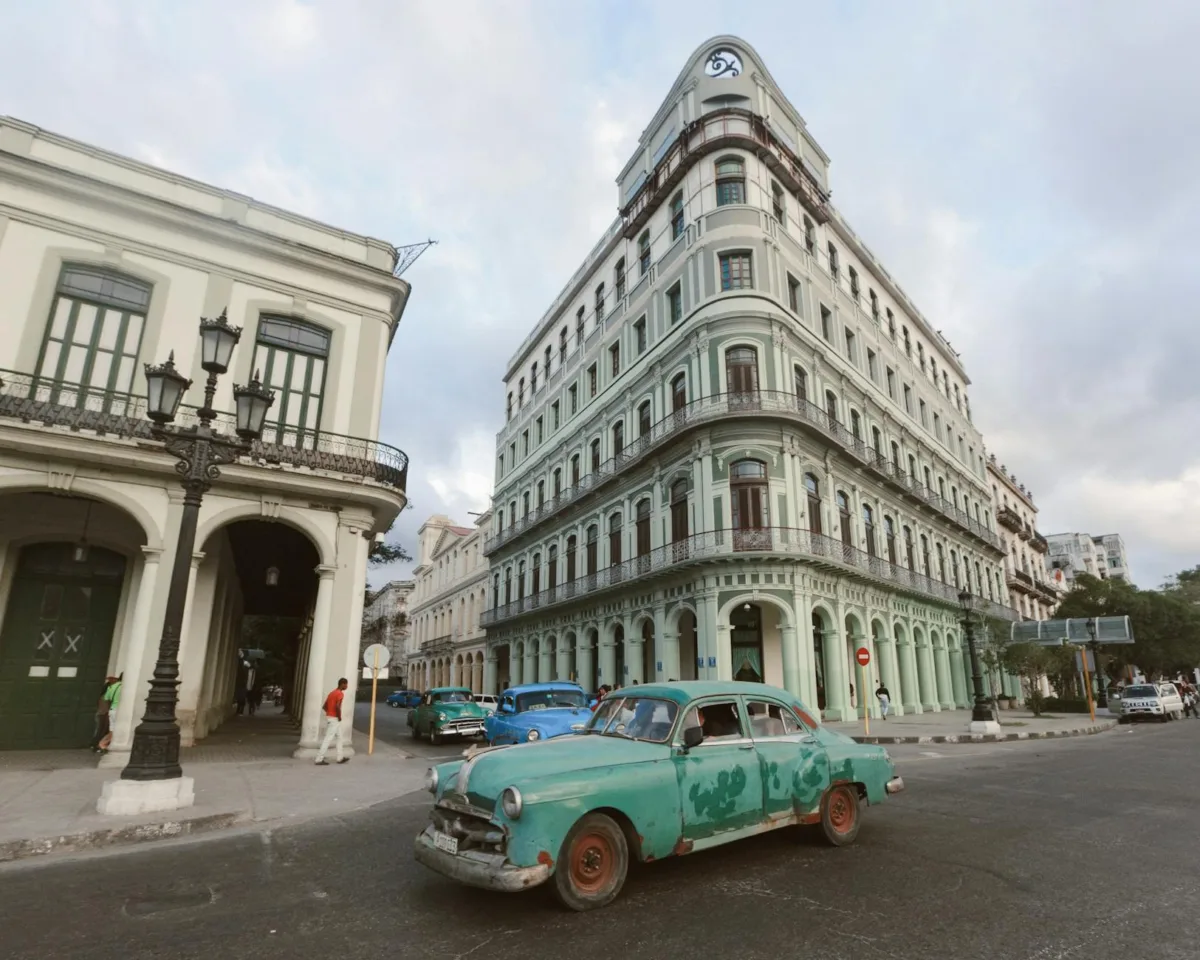
A Nation at a Crossroads
Cuban citizens are grappling with deepening anxiety and economic desperation as the United States government intensifies its diplomatic and economic pressure on the Havana administration. Throughout 2024, the tightening of U.S. sanctions and rhetoric has reignited long-standing debates regarding the potential for political and structural transformation within the island nation.
The Weight of Historical Context
The current climate is the latest chapter in a decades-long standoff between Washington and Havana. Historically, U.S. policy has oscillated between periods of engagement and strict isolation, with the current administration favoring a “maximum pressure” approach designed to leverage economic hardship to force political concessions.
This policy shift comes at a time when Cuba is already struggling with the aftermath of the COVID-19 pandemic, a tourism collapse, and failing infrastructure. The convergence of external diplomatic pressure and internal economic volatility has created a unique atmosphere of anticipation among the Cuban populace.
Economic Strain and Social Unrest
The primary driver of the current anxiety is the rapid deterioration of daily life on the island. Shortages of basic goods, including food, medicine, and fuel, have become persistent features of the Cuban experience. According to recent data from independent economic analysts, inflation rates have surged, effectively eroding the purchasing power of the average worker.
“The population is caught between a state-controlled economy that is failing to provide and a foreign policy environment that restricts access to global markets,” says Dr. Elena Rodriguez, a regional analyst specializing in Caribbean affairs. “Every time the U.S. tightens the screws, the immediate impact is felt by the average citizen rather than the political elite.”
Shifting Perspectives on Change
While the government in Havana maintains a narrative of resistance, there are signs that the appetite for change is shifting. Younger generations, increasingly connected through digital channels and VPNs despite local restrictions, are expressing greater disillusionment with the status quo. This demographic shift is complicating the government’s ability to control the national discourse.
Observers note that the psychological toll of this uncertainty is profound. Many families are weighing the risks of migration against the hope that external pressure might finally force a transition toward a more open economic or political system. However, the exact nature of this desired change remains ill-defined, ranging from modest economic reforms to a full-scale political overhaul.
Broader Implications for the Region
The standoff carries significant weight for the Western Hemisphere, as the potential for social unrest in Cuba threatens to trigger further migration crises. Regional neighbors are closely monitoring the situation, fearing that a collapse of the current social order in Havana would destabilize the Caribbean basin.
For international investors and diplomatic entities, the situation serves as a stark reminder of the complexities inherent in long-term sanctions. The effectiveness of these measures remains a subject of intense debate, with critics arguing that they exacerbate human suffering without achieving stated democratic goals.
Looking Ahead
As the U.S.-Cuba relationship remains in a state of high tension, the coming months will be critical. Observers will be watching for signs of internal policy shifts in Havana, such as potential adjustments to the private sector legal framework, which could signal an attempt to appease public discontent. Simultaneously, the degree to which regional powers intervene to provide economic relief may determine the threshold for further domestic unrest. The central question remains whether the current pressure will act as a catalyst for reform or lead to further entrenchment of the existing power structure.