




The Escalating Threat to Global Energy Security
Global oil markets entered a state of heightened volatility this week as geopolitical tensions in the Middle East reached a critical threshold, prompting warnings from international energy bodies regarding the potential closure of the Strait of Hormuz. International Energy Agency (IEA) officials have officially classified the current supply situation as entering a ‘red zone,’ citing the ongoing confrontation between Iran and regional powers as a direct threat to the world’s most vital maritime oil chokepoint.
Understanding the Strategic Importance of Hormuz
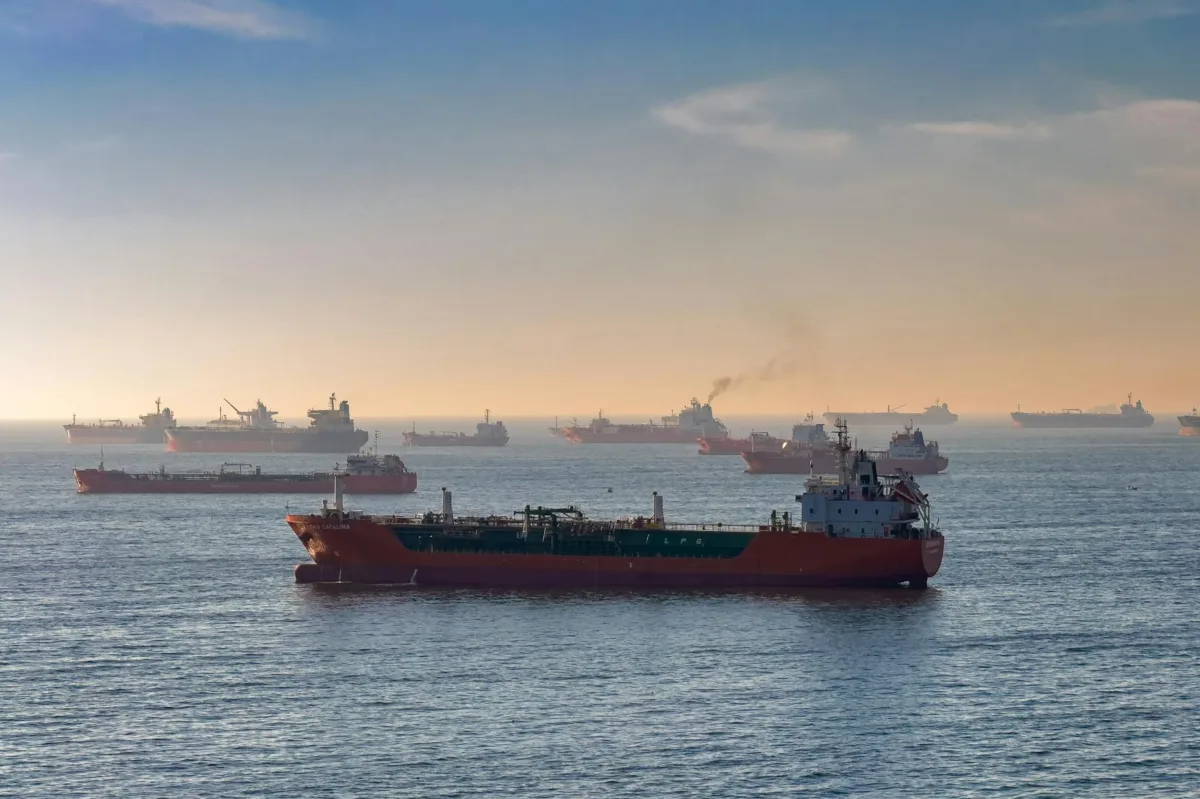
The Strait of Hormuz, a narrow passage connecting the Persian Gulf to the Gulf of Oman, serves as the transit route for approximately 20% of the world’s total petroleum consumption. According to data from the U.S. Energy Information Administration, over 21 million barrels of oil transit through this waterway daily, making it the single most important energy artery in the global economy. Any physical blockage or sustained disruption to this route creates an immediate, bottleneck-induced supply shock that is difficult to offset through existing strategic reserves.
Economic Implications of a Supply Disruption
Energy analysts at Rapidan Energy Group have warned that a closure of the Strait could trigger a global recession rivaling the 2008 financial crisis. The ripple effects would manifest in four distinct waves: an immediate spike in crude oil prices, a secondary surge in consumer energy costs, a sharp contraction in industrial manufacturing, and a long-term inflationary shock across global logistics networks. Financial modeling suggests that in a worst-case scenario, Brent crude prices could climb toward $200 per barrel, drastically increasing the cost of production for goods and services worldwide.
Expert Perspectives on Market Volatility
Market experts emphasize that the threat is not merely theoretical but a tangible risk that has begun to influence futures trading and insurance premiums for maritime shipping. The IEA has urged member nations to prepare contingency plans, noting that the combination of low global spare capacity and high geopolitical friction leaves very little room for error. Energy economists indicate that even a temporary closure would force tankers to seek longer, more expensive routes, further exacerbating the strain on global supply chains that are already struggling with post-pandemic inefficiencies.
Future Outlook and Monitoring
As the situation unfolds, investors and policymakers are closely monitoring military movements and diplomatic communications coming out of the Persian Gulf. Future developments to watch include potential adjustments to OPEC+ production quotas aimed at stabilizing prices and any international efforts to ensure freedom of navigation through the strait. The stability of the global economy now rests on the delicate balance of de-escalation; should diplomatic channels fail, the resulting energy price shock could fundamentally alter the trajectory of global growth for the remainder of the decade.