




Escalating Risks to Global Energy Security
Global oil markets entered a volatile ‘red zone’ this week as escalating tensions between Iran and Western powers raised the credible threat of a blockade at the Strait of Hormuz. International Energy Agency (IEA) officials and independent analysts warn that any disruption to this vital maritime chokepoint, which handles approximately 20% of the world’s total petroleum consumption, could trigger an immediate and unprecedented global supply crisis.
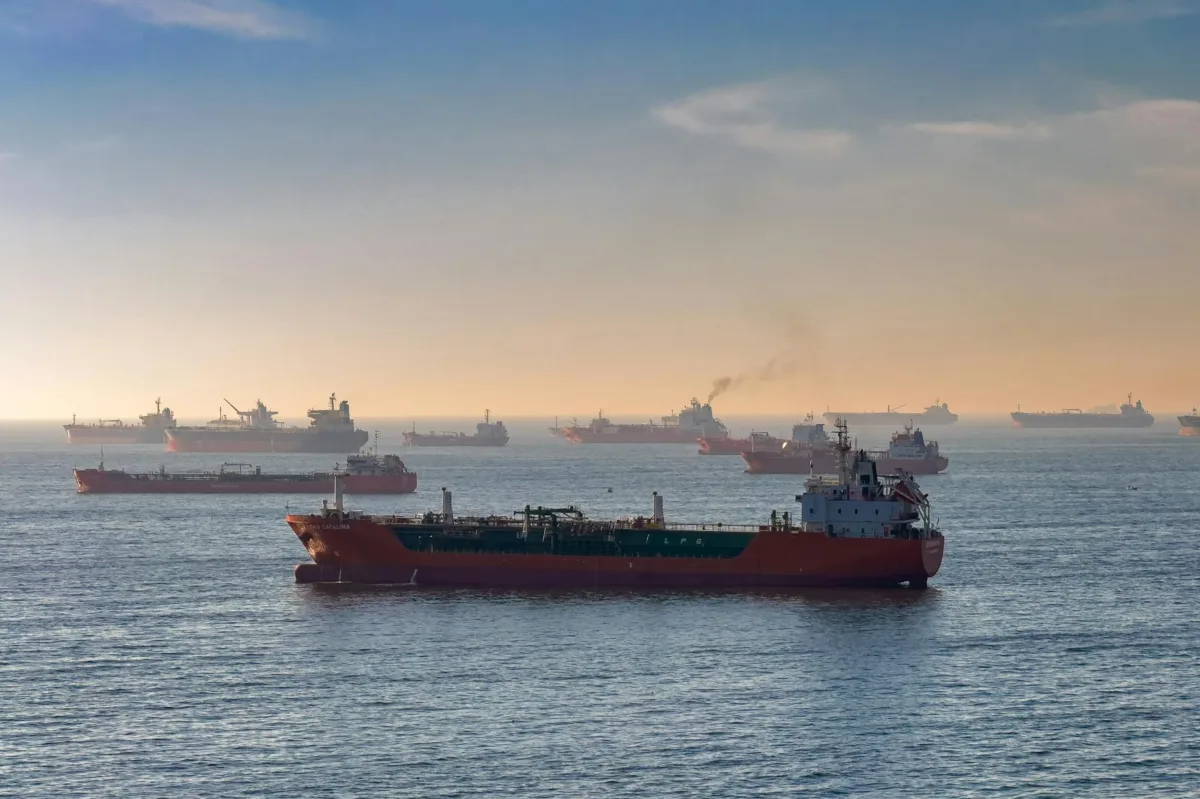
The Strait of Hormuz serves as the primary artery for crude oil exports from Saudi Arabia, Iraq, the United Arab Emirates, and Kuwait. Any military escalation or deliberate closure of the waterway would force an immediate contraction in global supply, effectively severing the flow of millions of barrels per day from the Persian Gulf to international markets.
The Critical Context of Global Chokepoints
The Strait of Hormuz is a narrow passage between Oman and Iran that connects the Persian Gulf with the Gulf of Oman and the Arabian Sea. It is widely considered the world’s most important oil transit chokepoint due to the daily volume of energy flowing through its waters. Historical precedents, including the ‘Tanker War’ during the 1980s, demonstrated how geopolitical instability in the region can rapidly inflate insurance premiums and disrupt shipping schedules.
Current market conditions are particularly sensitive to supply shocks due to existing inventory levels and ongoing geopolitical friction. The IEA has highlighted that even a temporary obstruction could lead to a ‘multi-wave’ economic shock, starting with a rapid spike in crude prices and cascading through global logistics and manufacturing sectors.
Economic Projections and Worst-Case Scenarios
Energy analysts at Rapidan Energy Group have suggested that a sustained closure could induce a global economic recession comparable to the 2008 financial crisis. Their projections indicate that if the Strait remains closed for an extended period, oil prices could potentially surge toward $200 per barrel. Such a price level would represent a historic shock to global inflation, eroding purchasing power and significantly increasing the cost of goods and transportation worldwide.
Data from various financial institutions underscores the fragility of the current energy supply chain. With global demand remaining robust, there is little spare capacity in the market to offset a sudden loss of Persian Gulf production. Experts note that while strategic petroleum reserves exist, they are designed to mitigate short-term disruptions rather than replace a permanent loss of transit access.
Implications for the Global Economy
For the average consumer, the implications of a Hormuz-related supply shock are immediate and severe. Rising oil prices translate directly into higher costs at the gasoline pump and increased utility bills, as energy costs are embedded in the production and distribution of nearly every consumer item. Industrial sectors, particularly those reliant on heavy shipping and aviation, would face immediate margin compression and operational uncertainty.
Investors and policymakers are now closely monitoring military movements in the Persian Gulf for signs of de-escalation. While diplomatic channels remain open, the shift in market sentiment reflects a growing fear that traditional deterrents may no longer be sufficient to prevent a major supply chain rupture. Future developments hinge on whether regional stakeholders can maintain freedom of navigation through the strait, or if the current ‘red zone’ warning will translate into a tangible economic contraction in the coming fiscal quarters.