



The Escalating Crisis in the Strait of Hormuz
Global energy markets are bracing for extreme volatility as geopolitical tensions in the Middle East, specifically regarding the Strait of Hormuz, threaten to trigger a historic oil supply crisis. International energy experts and government analysts have warned that a potential closure of this critical maritime chokepoint could push crude oil prices toward the $200 per barrel mark, a scenario that would rival the economic instability seen during the 2008 global financial crisis.
Understanding the Strategic Importance
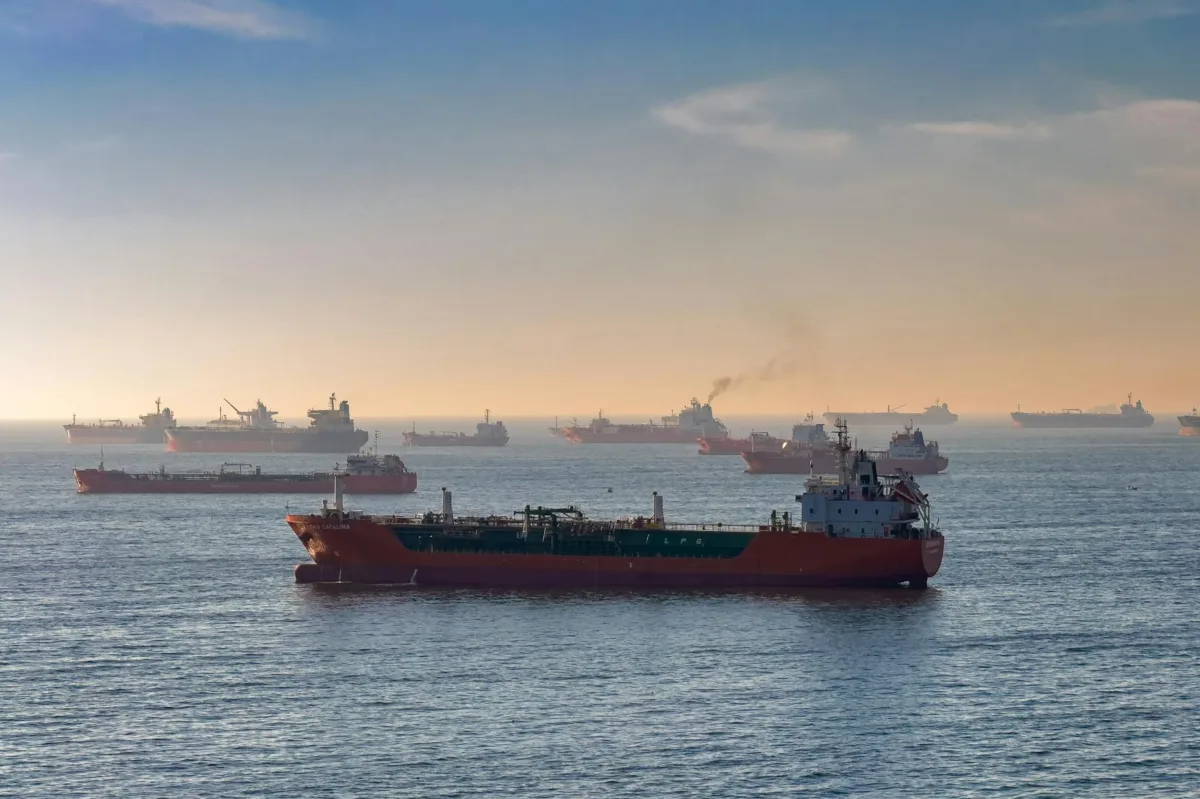
The Strait of Hormuz serves as the world’s most vital oil transit chokepoint, with roughly 20% of global petroleum consumption passing through its narrow waters daily. Iran, which maintains significant military presence along the waterway, has repeatedly signaled its willingness to restrict or halt traffic in response to ongoing international sanctions and regional military escalations.
As stockpiles dwindle ahead of the high-demand summer travel season, the International Energy Agency (IEA) has flagged the current market environment as entering a ‘red zone.’ This designation signifies a precarious balance between tightening supply and persistent global demand, leaving little room for error if a major transit disruption occurs.
Economic Implications of a Supply Shock
Market analysts at firms like Rapidan Energy Group suggest that a sustained closure of the Strait would remove millions of barrels of oil from the daily supply chain, causing an immediate and violent price spike. Such an event would likely force central banks to pivot their monetary policies, as the resulting inflationary pressure would threaten to derail global economic growth.
Data from recent market reports indicates that oil inventories are currently at their lowest levels in years. This lack of a strategic buffer means that any disruption, whether intentional or accidental, would have an outsized impact on consumer fuel costs and industrial production expenses worldwide.
Expert Perspectives on Market Stability
Energy analysts emphasize that the risk is not merely theoretical but a tangible outcome of existing geopolitical friction. The IEA has urged nations to maintain transparency in their strategic petroleum reserves, noting that the combination of summer travel demand and restricted supply creates a perfect storm for price surges.
Financial institutions are currently modeling various scenarios, including full-scale blockades and localized skirmishes. The consensus among these models is that the global economy remains ill-equipped to handle an oil price shock of this magnitude, particularly as many nations continue to struggle with post-pandemic debt levels.
Future Outlook and Market Monitoring
As the situation unfolds, investors and policymakers are closely monitoring diplomatic channels for any signs of de-escalation in the Persian Gulf. Observers should watch for any changes in tanker traffic patterns or new sanctions announcements from major powers, as these will serve as leading indicators for further market volatility.
Future stability will depend heavily on the effectiveness of international maritime security coalitions aimed at keeping the Strait open. Any failure to maintain open lines of transit will likely lead to an acceleration of energy transition initiatives, as nations seek to reduce their vulnerability to regional chokepoints in the long term.