




The Escalating Risk of Supply Disruption
Global energy markets are teetering on the edge of a severe volatility crisis this week as analysts warn that a potential closure of the Strait of Hormuz could push oil prices toward the $200-per-barrel mark. International energy experts, including officials from the International Energy Agency (IEA), have identified a “red zone” of supply constraints that could trigger a global economic recession comparable to the 2008 financial crisis if geopolitical tensions in the Middle East continue to escalate.
Context of the Strait of Hormuz
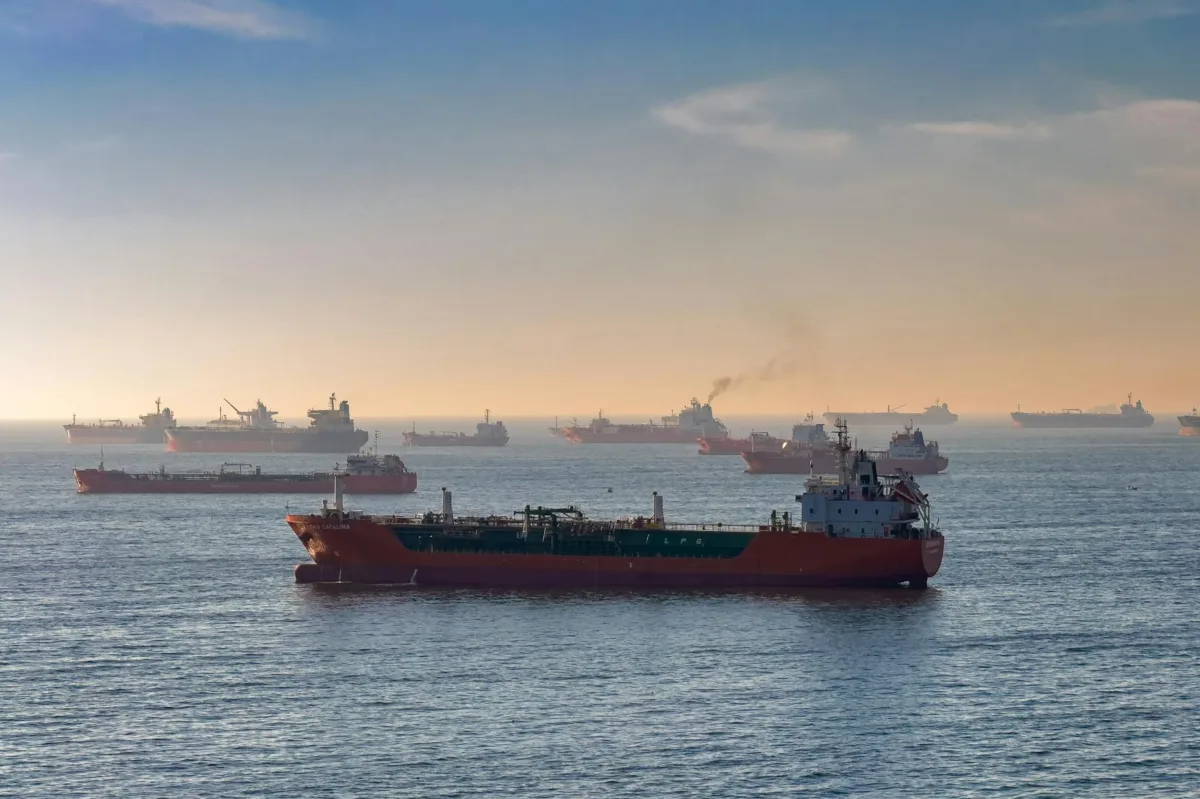
The Strait of Hormuz serves as the world’s most critical maritime energy chokepoint, facilitating the transit of approximately 20% of the world’s total oil consumption. Iran has repeatedly signaled that it may use the waterway as a strategic lever in response to international sanctions and regional conflict. The concentration of global energy flow through this narrow passage makes it a primary vulnerability for the international economy.
The Mechanics of a Price Surge
Market analysts at Rapidan Energy Group suggest that a sustained closure of the strait would remove millions of barrels of crude from daily global supply. This immediate contraction, combined with already dwindling strategic reserves, would likely cause an unprecedented price spike. Current data from the IEA indicates that global stock levels are tightening significantly, leaving little buffer for a major supply shock as the summer travel season approaches.
Expert Perspectives on Market Volatility
IEA leadership has publicly cautioned that the market is entering a precarious period, noting that the combination of low inventory and heightened regional instability creates a perfect storm for price instability. Financial institutions are increasingly modeling “worst-case” scenarios where energy costs consume a massive share of household disposable income. These models suggest that such a price shock would effectively halt global industrial production and force central banks to rethink current interest rate trajectories.
Economic Implications and Future Outlook
For industries ranging from aviation to manufacturing, the threat of $200 oil poses an existential challenge to profit margins and operational viability. Consumers should anticipate rapid increases in fuel prices and broader inflationary pressure on goods transported via global supply chains. Observers are now closely monitoring diplomatic efforts to de-escalate tensions in the Persian Gulf, as any further rhetoric from Tehran regarding maritime transit will likely trigger immediate hedging actions by energy traders. The coming months will be defined by whether international stakeholders can secure the safety of tanker traffic or if the market must brace for a fundamental shift in energy pricing and availability.