







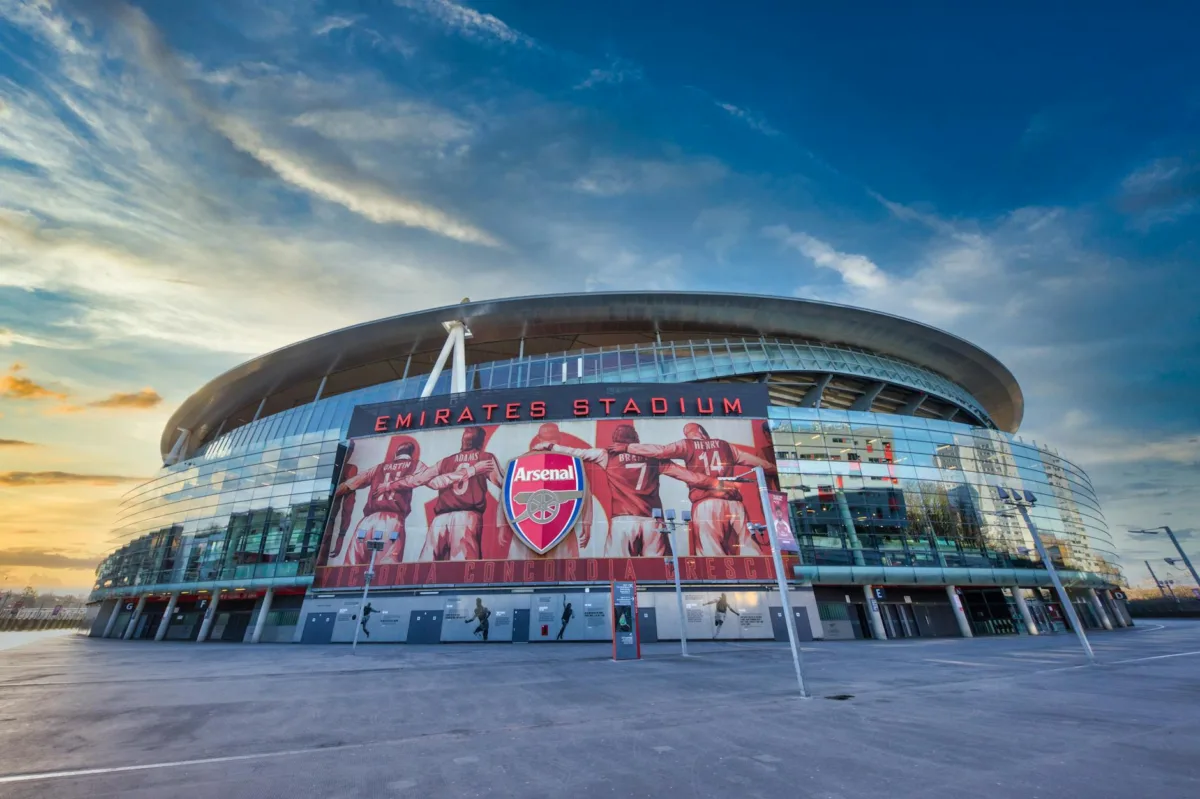
Arsenal Football Club is currently positioned to achieve record-breaking financial results for the 2023-2024 fiscal year, regardless of their final standing in the UEFA Champions League. Driven by a disciplined five-phase strategic plan initiated by the club’s hierarchy, the North London outfit has successfully stabilized its commercial revenue streams while simultaneously elevating its performance on the pitch. This fiscal resurgence marks a significant departure from the club’s financial instability during the late 2010s, signaling a new era of sustainability for the Emirates Stadium side.
The Strategic Blueprint for Success
The core of Arsenal’s financial turnaround lies in a meticulously executed five-phase plan aimed at returning the club to the pinnacle of English football. By prioritizing investment in high-potential young talent and fostering a clear tactical identity under manager Mikel Arteta, the club has maximized its asset value. This approach has transformed the playing squad into one of the most valuable collections of talent in world football, according to data from Transfermarkt.
Furthermore, the club has aggressively renegotiated commercial partnerships and improved matchday revenue through optimized ticket pricing and increased hospitality offerings. These efforts have allowed Arsenal to operate within the constraints of the Premier League’s Profit and Sustainability Rules (PSR) while maintaining the competitive edge required to challenge for major honors. The integration of data analytics into recruitment has also reduced the financial risk associated with player acquisitions.
Market Impact and Competitive Positioning
Industry analysts point to Arsenal’s ability to generate revenue through both domestic and international channels as a primary driver of their current growth. The club’s return to the Champions League has served as a significant catalyst, providing a platform for increased television rights distributions and enhanced global brand exposure. Deloitte’s Football Money League report highlights that consistent participation in elite European competition is now essential for maintaining top-tier financial status in the modern game.
Expert analysis from football finance consultants suggests that Arsenal’s revenue model is now more diversified than at any point in the last two decades. By moving away from a reliance on owner funding, the club has created a self-sustaining ecosystem. This structural shift allows for reinvestment into infrastructure, including recent upgrades to the Emirates Stadium and the London Colney training facilities, which further enhance the club’s long-term valuation.
Implications for the Industry
For the broader football industry, Arsenal’s trajectory serves as a case study in how to balance sporting ambition with fiscal responsibility. The club’s success demonstrates that long-term investment in coaching staff and youth development can yield higher dividends than short-term, high-cost player recruitment. This model is likely to influence how other mid-to-large market clubs approach their own financial planning in the coming seasons.
Looking ahead, observers should monitor how Arsenal navigates the upcoming transfer windows as they seek to bridge the remaining gap between being a title contender and a dominant European force. The stability of their current financial position provides them with the flexibility to target elite-level signings, but the challenge will be maintaining wage structure discipline. As the club enters the next phase of its evolution, the focus will shift toward cementing its status as a perennial contender for the Premier League and Champions League titles simultaneously.