








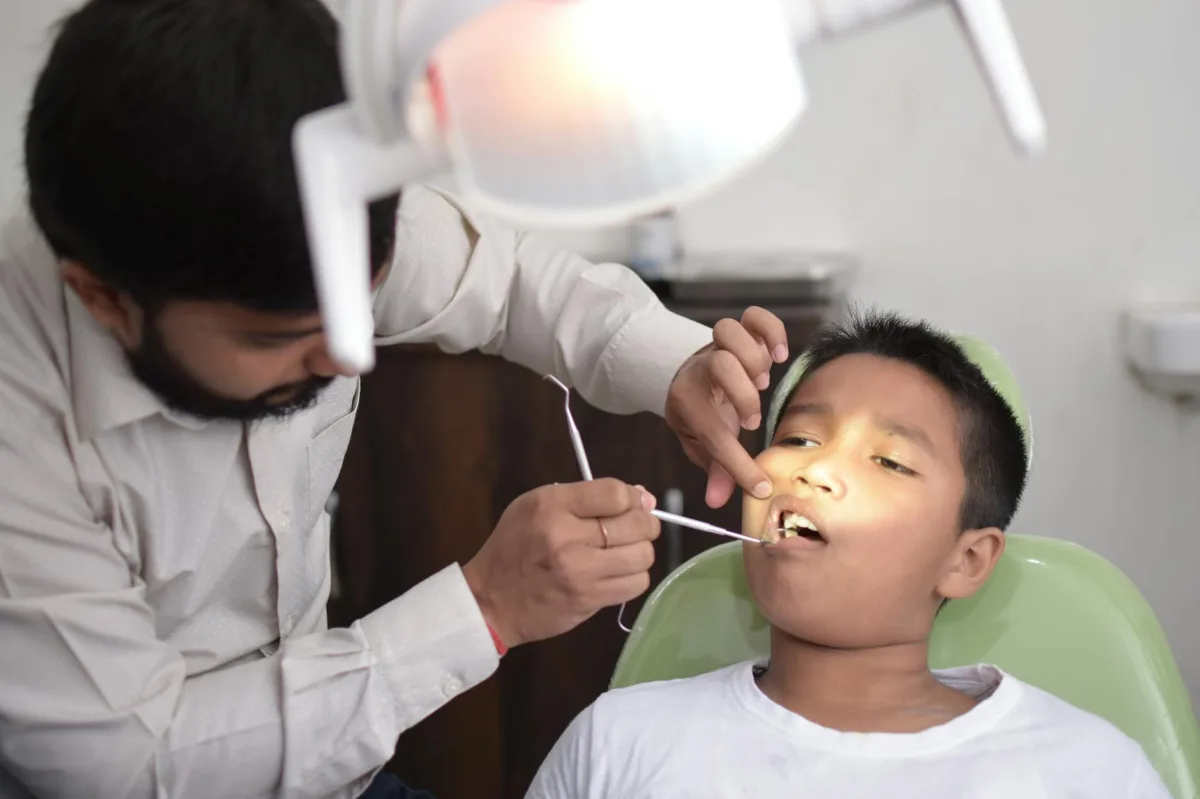
The Indian government has officially released the country’s first-ever national guidelines for the management and prevention of childhood diabetes, marking a critical shift in public health policy as of late 2024. Developed by the Ministry of Health and Family Welfare in collaboration with leading pediatric endocrinologists, the framework aims to standardize the diagnosis and treatment of both Type 1 and Type 2 diabetes across the nation’s pediatric population. This initiative responds to a surge in metabolic disorders among youth, establishing mandatory screening protocols within routine pediatric check-ups to ensure early detection and intervention.
The Growing Pediatric Health Crisis
For decades, diabetes was largely viewed as an adult-onset condition in India. However, recent data from the Indian Council of Medical Research (ICMR) suggests a worrying upward trend in pediatric cases, driven by sedentary lifestyles, dietary shifts, and genetic predispositions.
Previously, diagnostic procedures varied significantly between private and public hospitals, often leading to delayed treatment. The new guidelines aim to eliminate these disparities by providing a unified clinical pathway for healthcare providers, from primary health centers to tertiary hospitals.
Standardizing Care and Early Detection
The core of the new policy focuses on integrating blood glucose monitoring into existing child health screening programs. By identifying risk factors such as obesity, acanthosis nigricans, and family history at a younger age, clinicians can implement lifestyle modifications or insulin therapy much earlier.
Medical experts emphasize that Type 1 diabetes, in particular, requires rapid diagnosis to prevent life-threatening complications like diabetic ketoacidosis. The guidelines provide clear, actionable algorithms for school health programs and routine physical examinations to identify early warning signs that may have previously gone unnoticed.
Expert Perspectives and Data Insights
Dr. Anjali Rao, a senior pediatric endocrinologist, states that the standardization of care is the most significant step forward in decades. “These guidelines provide a roadmap for doctors in rural areas who may not have immediate access to specialized diabetes clinics,” she explained.
Data from the International Diabetes Federation (IDF) has long cautioned that India carries a significant burden of pediatric diabetes. By formalizing the screening process, the government aims to reduce the long-term economic and physical burden of chronic disease management in the country’s youth population.
Industry and Societal Implications
The implementation of these guidelines will fundamentally alter the pediatric primary care landscape. Schools and community health centers will now be expected to participate in active monitoring, which may necessitate increased training for non-specialist healthcare workers.
For families, the initiative provides a clearer path to affordable care and insurance coverage for chronic pediatric conditions. It also necessitates a broader public health campaign regarding childhood nutrition and physical activity to address the rising incidence of Type 2 diabetes among adolescents.
Future Outlook
Moving forward, the success of this mission will depend on the scalability of digital health records to track patient outcomes over time. Stakeholders are now watching for the rollout of secondary support programs, including school-based nutrition initiatives and public awareness campaigns designed to reduce the stigma associated with insulin dependence in young children. The effectiveness of these guidelines will be measured by the reduction in emergency hospitalizations for preventable diabetic complications over the next three years.