






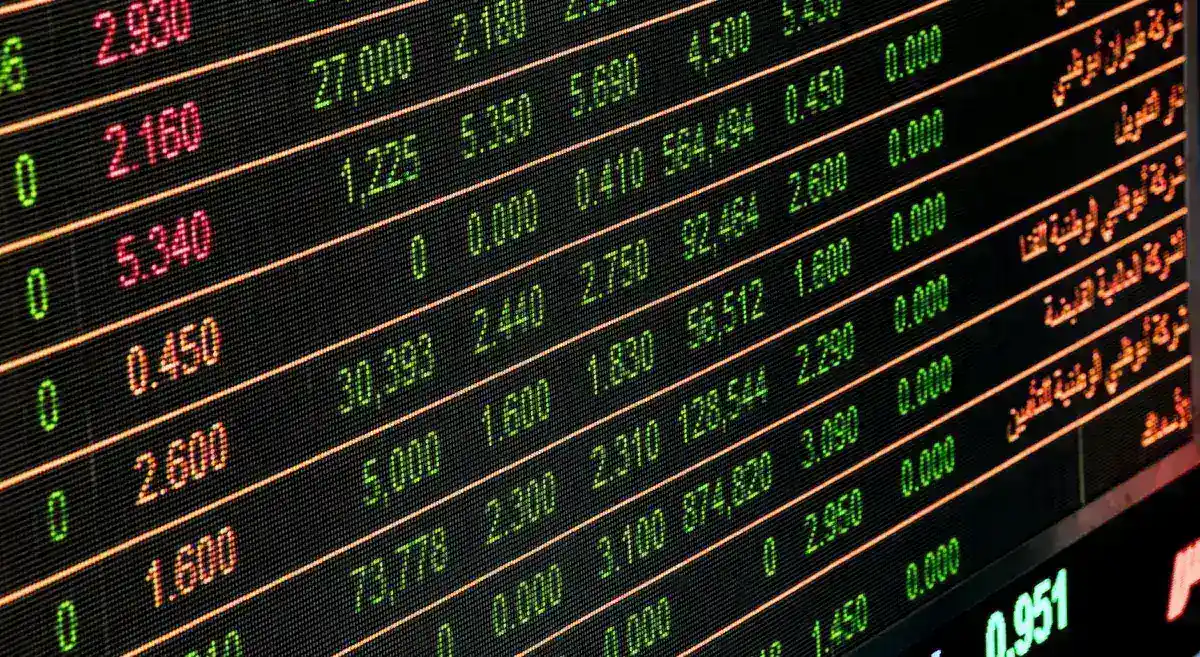
Indian equity markets staged a robust recovery this week, with the benchmark Sensex and Nifty indices posting gains as investors reacted to easing geopolitical tensions between the United States and Iran. Both indices closed higher in recent sessions, reclaiming lost ground as positive global cues and a strong performance from the banking sector bolstered market confidence.
Market Context and Recovery Drivers
The recent volatility in the Indian stock market had been largely driven by fears of supply chain disruptions and inflationary pressures stemming from heightened tensions in the Middle East. However, renewed diplomatic efforts toward peace between Washington and Tehran have cooled investor anxieties, leading to a broader risk-on sentiment across Asian markets.
This shift in sentiment allowed the Nifty to stabilize above the 23,700 mark, while the Sensex added over 230 points in a single session. Analysts noted that the resilience of the banking sector played a pivotal role in maintaining the upward momentum throughout the trading week.
Sectoral Performance and Economic Indicators
Banking stocks emerged as the primary engine for the latest market rally, benefiting from improved liquidity conditions and optimistic quarterly outlooks. Financial institutions, which often serve as a bellwether for the broader Indian economy, saw sustained institutional buying that helped offset profit-booking in other segments.
Despite the positive market movement, external factors continue to demand caution. Global oil prices remain a critical area of focus, with benchmarks hovering above the $104 per barrel threshold. Sustained high energy costs remain a significant concern for India’s import-heavy economy and could potentially impact corporate margins if they persist through the next quarter.
Expert Perspectives and Data Insights
Market analysts suggest that while the current recovery is encouraging, it remains sensitive to international macroeconomic data. Data from major exchanges indicates that the inflow of foreign institutional investment has stabilized, providing a safety net for domestic equities during periods of global volatility.
Financial experts emphasize that the current market environment is characterized by a “wait and watch” approach regarding central bank policies. While interest rate hikes in developed economies have historically pressured emerging markets, the recent cooling of geopolitical friction has provided a temporary reprieve for Indian investors.
Future Implications and Market Outlook
Looking ahead, market participants are shifting their focus toward upcoming corporate earnings reports and domestic inflation data. Analysts expect that the sustainability of the current rally will depend heavily on the ability of domestic firms to navigate input cost pressures and maintain profit margins.
Investors should continue to monitor oil price fluctuations and any further developments in diplomatic relations, as these will remain the primary drivers of short-term volatility. The market’s ability to hold current support levels will be tested by upcoming global economic reports, which may influence the trajectory of institutional capital flows in the coming weeks.