








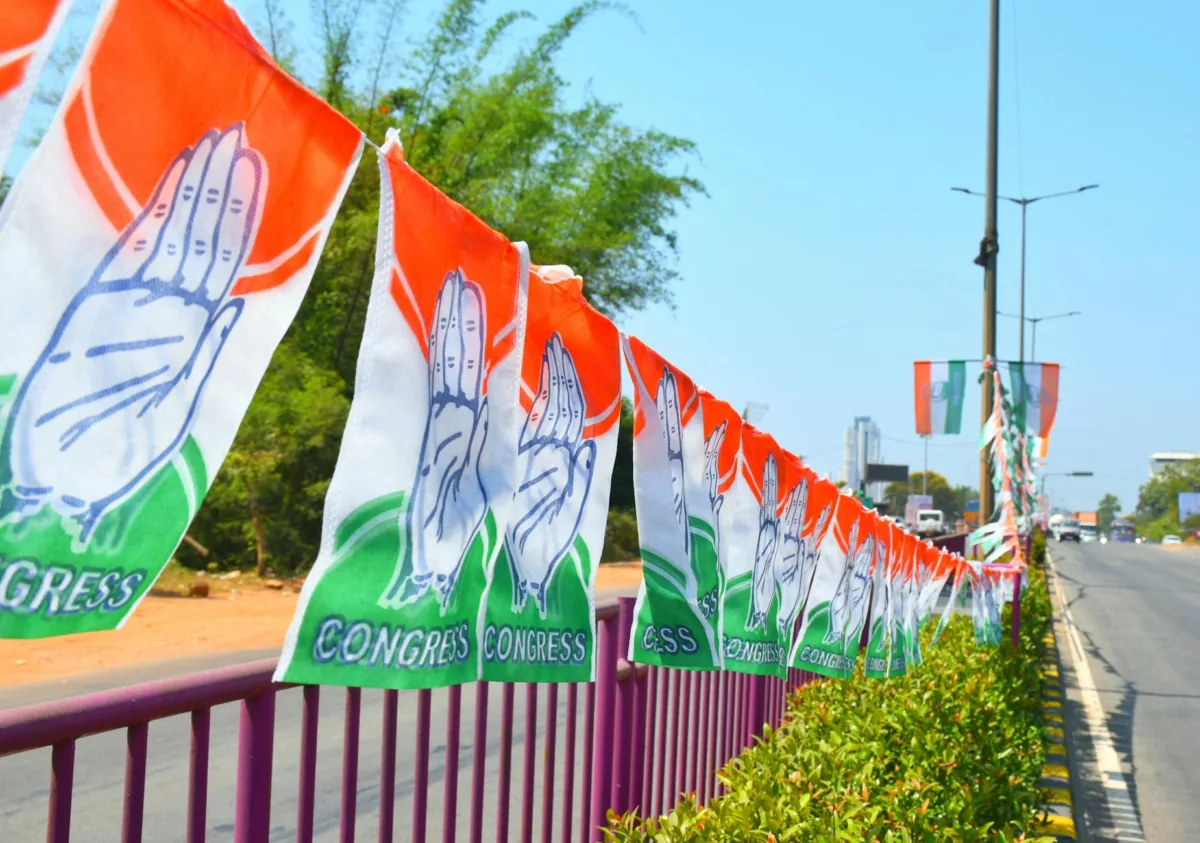
In a major political realignment in Chennai, the Tamil Nadu government underwent a significant cabinet expansion this week, with 23 new ministers from the Tamizhaga Vettri Kazhagam (TVK) and the Congress party taking their oaths of office. The move solidifies a power-sharing arrangement led by actor-turned-politician Vijay, as the Indian Union Muslim League (IUML) also confirmed its decision to join the administration.
A New Political Landscape
This expansion follows a period of intense negotiation between the TVK and its alliance partners to stabilize the regional government. By incorporating representatives from the Congress party and the IUML, the administration aims to create a broad-based coalition capable of addressing the state’s complex legislative agenda.
The integration of these diverse political entities represents a departure from traditional single-party dominance in the state. Analysts suggest this strategy is designed to consolidate a wider voter base ahead of upcoming electoral cycles.
Tensions During the Oath Ceremony
The transition was not without controversy, as the proceedings at the Raj Bhavan were marked by public friction. During the swearing-in ceremony, a Congress MLA sparked tension by raising slogans in support of Rajiv and Rahul Gandhi, prompting an immediate verbal objection from the Governor.
This incident reflects the underlying ideological friction that persists within the coalition. While the partners have agreed on a governing framework, the visible discord during the oath-taking highlights the challenges of managing a multi-party cabinet where individual allegiances remain strong.
The Role of Alliance Partners
The decision of the IUML to join the cabinet is viewed as a strategic move to ensure representation for minority communities within the government. However, the absence of other key allies, such as the Viduthalai Chiruthaigal Katchi (VCK), from this initial list of ministers has sparked debate regarding the internal dynamics of the alliance.
Political observers note that the exclusion of certain allies could be temporary or reflective of ongoing seat-sharing disagreements. According to sources close to the administration, negotiations are continuing behind the scenes to ensure that all coalition partners feel adequately represented in the policy-making process.
Future Implications for Governance
For the residents of Tamil Nadu, this expansion signals a shift toward a more centralized, alliance-driven administrative model. The success of this government will largely depend on the ability of the TVK leadership to balance the competing interests of its coalition partners while maintaining a consistent policy direction.
Looking ahead, the focus will shift to the first legislative session under the new cabinet, where the government must prove its stability. Observers will be closely monitoring how the administration manages internal dissent and whether it can maintain the fragile unity between its partners as the state nears its next major budget cycle.