







The Next Evolution in Apple Hardware
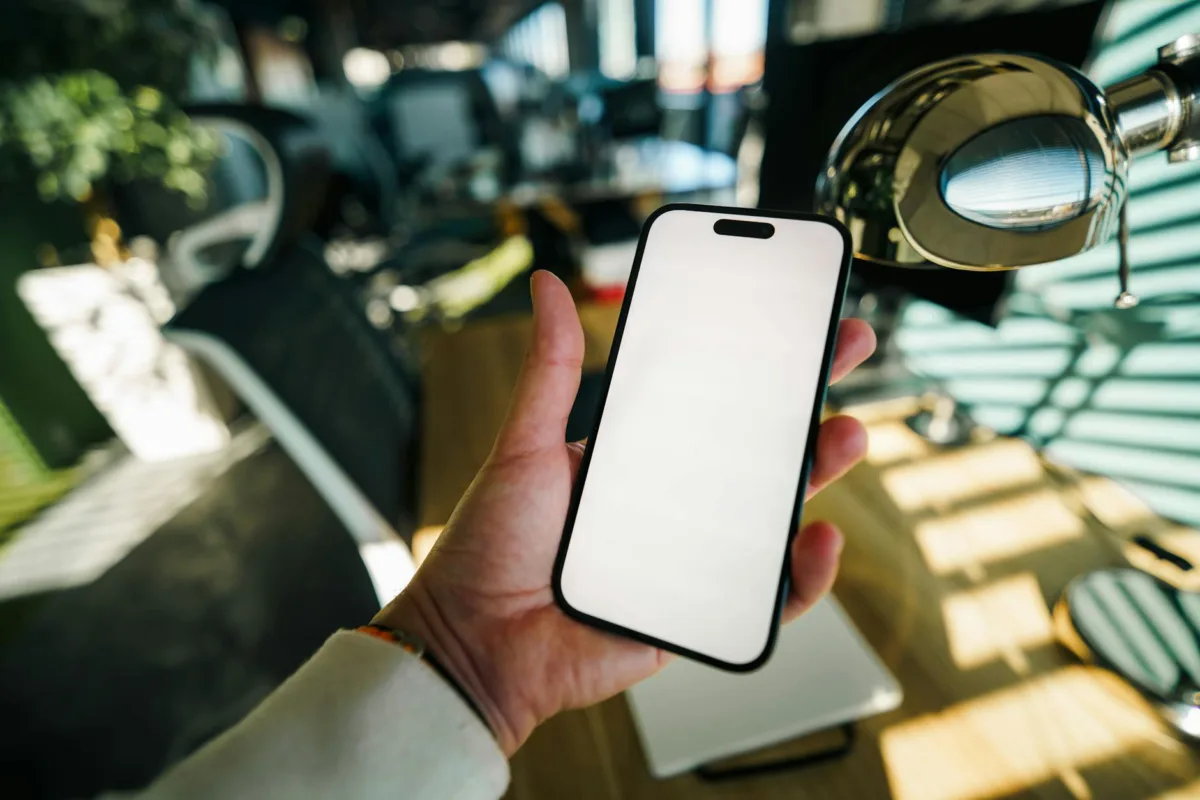
Apple is expected to unveil the iPhone 18 Pro Max this September, marking a significant milestone in the company’s annual hardware release cycle. Industry reports and leaked specifications suggest that the upcoming flagship will introduce a series of advanced design modifications and performance enhancements aimed at maintaining Apple’s competitive edge in the premium smartphone market.
The anticipated launch follows a period of iterative improvements in the iPhone lineup. As consumers increasingly prioritize display technology and processing power, Apple has focused its research and development efforts on material science and internal architecture to differentiate the 18 Pro Max from its predecessors.
Design Innovations and Material Science
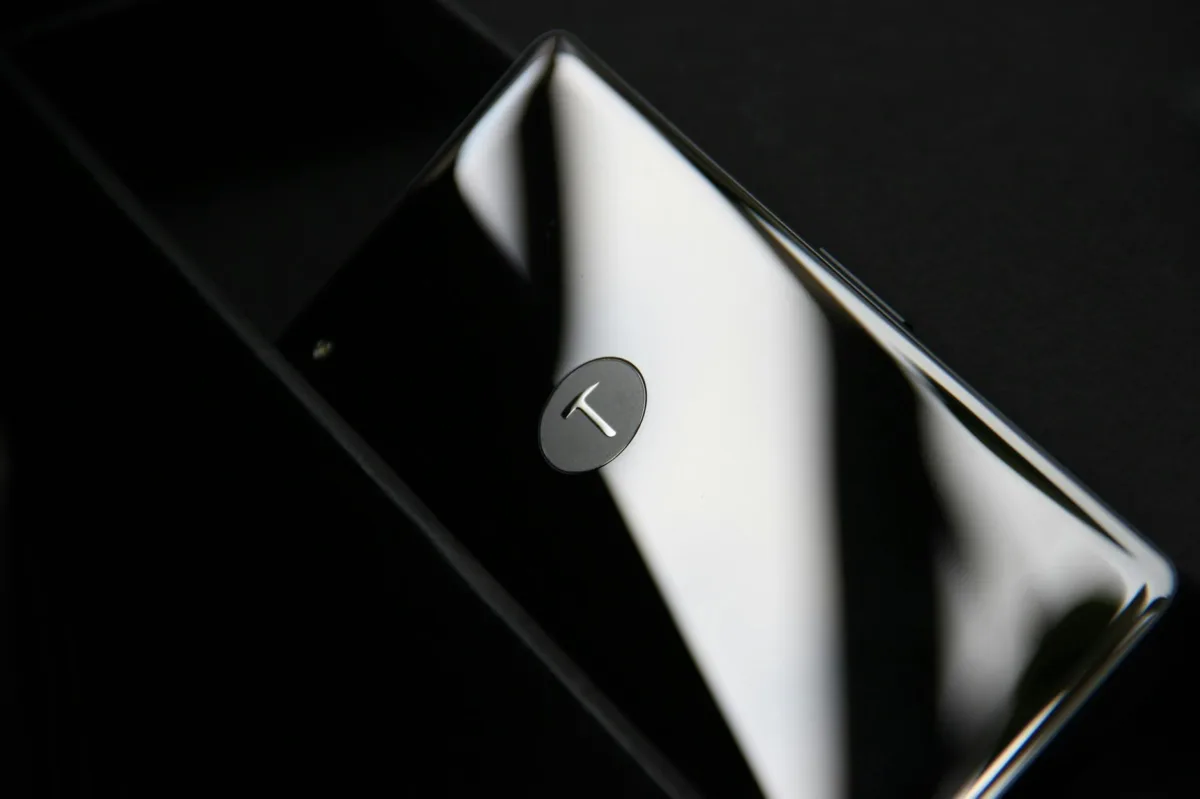
One of the most discussed features surrounding the new device is the potential introduction of a ‘Liquid Glass’ design. This architectural shift aims to provide a more seamless, glass-like aesthetic while integrating real-time visual effects directly into the chassis construction.
Leaks indicate that Apple is experimenting with new slider interfaces that utilize this glass-like material, moving away from traditional mechanical buttons. This move aligns with the industry-wide trend of reducing physical moving parts in favor of haptic-feedback touch interfaces to improve device durability and water resistance.
Performance and Market Positioning
Analyst Ming-Chi Kuo has suggested that despite the integration of high-end features, the pricing for the iPhone 18 Pro Max is expected to remain steady compared to previous models. This strategy is likely intended to incentivize upgrades among the existing user base while defending market share against aggressive pricing from Android manufacturers.
The device is also rumored to feature significant battery life improvements. By optimizing the A-series chipset and utilizing higher-density energy storage, Apple aims to address one of the most common consumer pain points: daily battery endurance under heavy computational loads.
Industry Implications and Future Outlook
The shift toward integrated glass surfaces signals a broader trend in mobile manufacturing. As the hardware reaches a point of diminishing returns in terms of raw processing speed, manufacturers are increasingly turning to industrial design and material innovation to attract consumers.
For the supply chain, the adoption of specialized glass materials requires significant investment in precision manufacturing. If the iPhone 18 Pro Max successfully implements these features at scale, it will likely set a new standard for premium smartphone design in the coming years.
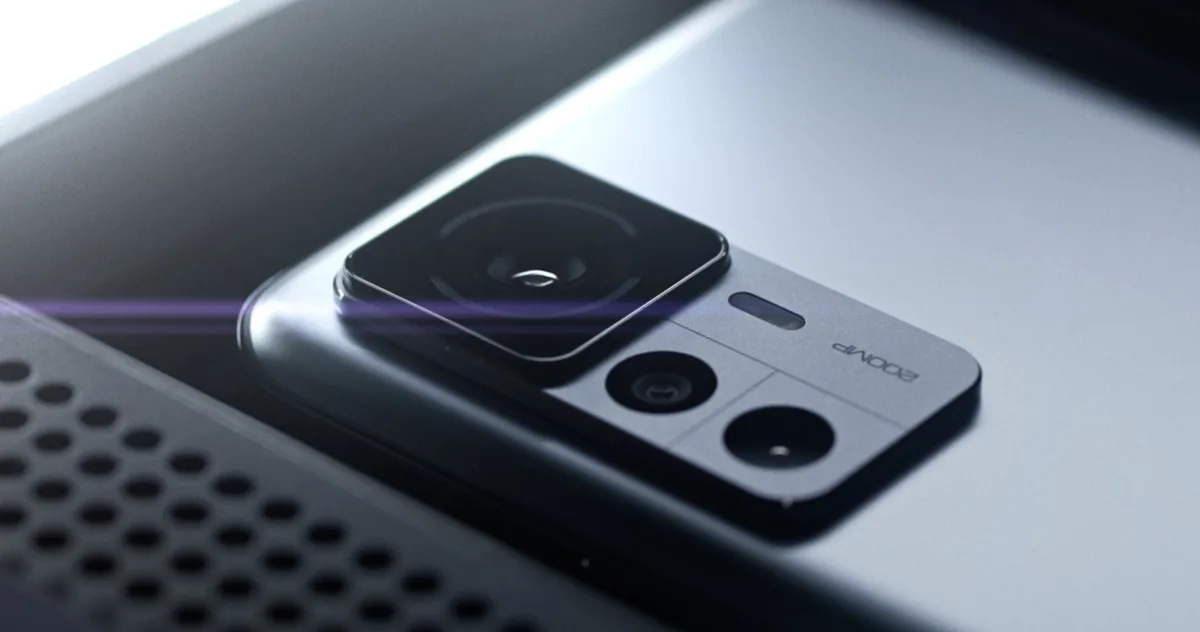
Market observers are now closely watching for official confirmation regarding the device’s camera sensor capabilities, which are expected to leverage the new display technology for improved augmented reality applications. As the September launch event approaches, the focus remains on whether these hardware changes will translate into a tangible improvement in the user experience or if they serve primarily as a aesthetic refinement.