







Generational Leaps in Mobile Technology
As industry analysts and supply chain leaks confirm early details regarding the upcoming iPhone 18 Pro Max, consumers are looking back at the iPhone 13 Pro Max to measure the scale of innovation over a five-year cycle. While the iPhone 13 Pro Max established a high-water mark for battery life and camera performance in 2021, the forthcoming model promises to redefine the hardware paradigm through advancements in material science and processing power.
Understanding the Technological Context
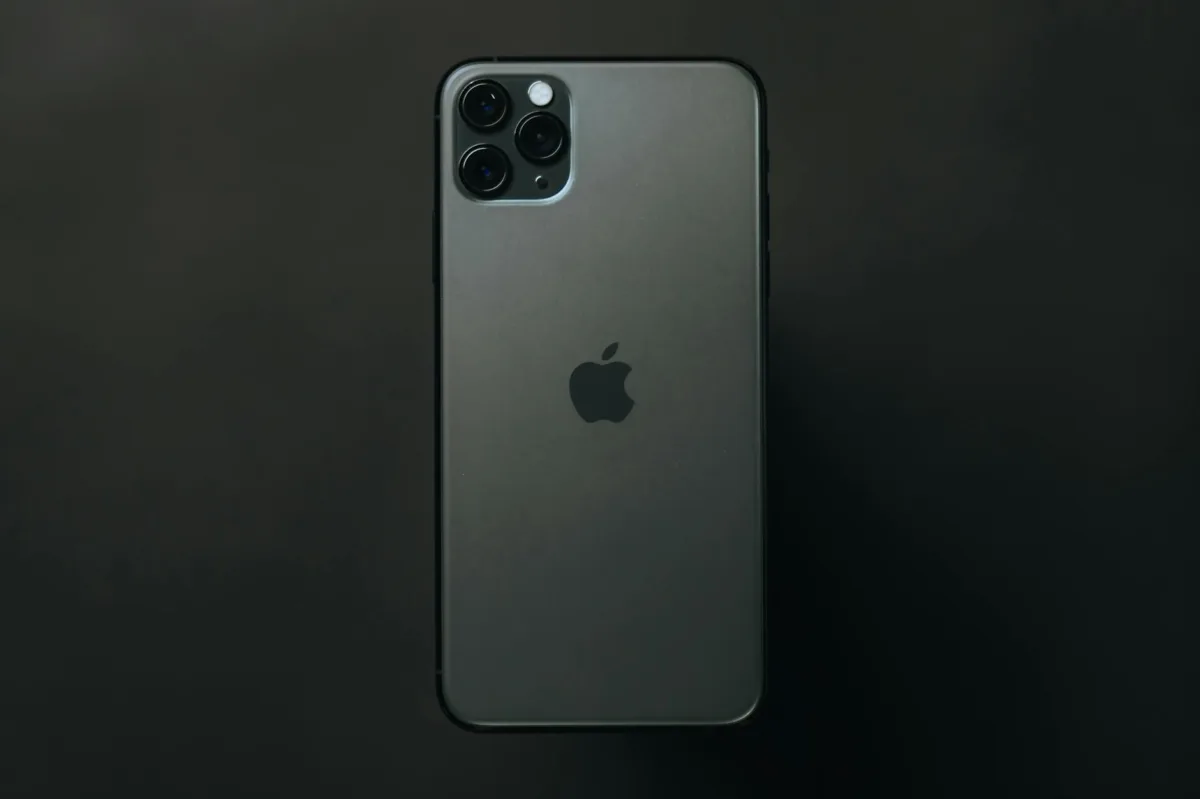
The iPhone 13 Pro Max debuted as a powerhouse device, introducing the ProMotion 120Hz display and a significant leap in computational photography. Since that release, Apple has transitioned through several iterations of its A-series silicon, refined the Dynamic Island interface, and shifted toward titanium chassis construction. These incremental changes have set the stage for the dramatic hardware shifts expected in the iPhone 18 series.
Material Innovation and Design
The most significant departure in the iPhone 18 Pro Max centers on the rumored introduction of a ‘Liquid Glass’ design. This architectural shift aims to integrate real-time visual effects directly into the chassis, moving beyond the traditional flat glass panels seen on the iPhone 13 Pro Max. Reports suggest that this design will incorporate glass-like sliders for haptic-based volume and brightness control, replacing the physical buttons that have remained a staple since the inception of the device line.
Expert Perspectives on Market Positioning
Market analyst Ming-Chi Kuo has indicated that despite the significant hardware upgrades, Apple intends to maintain a steady pricing structure for the iPhone 18 Pro Max. This strategy suggests an attempt to stabilize market share in an increasingly competitive premium smartphone sector. Data from recent supply chain leaks reinforces the belief that the device will prioritize internal efficiency and thermal management to accommodate these new, power-intensive visual features.
Implications for the Smartphone Industry
For current users of the iPhone 13 Pro Max, the transition to the 18 Pro Max represents a move from a traditional smartphone experience to one defined by integrated, responsive material interfaces. Industry observers note that this shift could force competitors to abandon static hardware designs in favor of interactive, fluid surfaces. As Apple prepares for the official launch, the focus remains on whether the software ecosystem can fully leverage these new hardware capabilities to justify the upgrade cycle.
What to Watch Next
Industry watchers should monitor upcoming regulatory filings and further leaks regarding the ‘Liquid Glass’ durability ratings, as this will determine the feasibility of mass-market adoption. Additionally, the integration of new neural processing units will likely dictate the capabilities of the real-time visual effects, marking a pivotal shift in how users interact with their mobile devices over the next decade.