









The World Health Organization (WHO) officially elevated the risk level of the Ebola Bundibugyo virus to ‘very high’ across the Democratic Republic of the Congo (DRC) and Uganda this week, following a rapid escalation in transmission rates. As of May 2026, health authorities have documented 600 suspected cases and 139 confirmed deaths, triggering an emergency meeting of the International Health Regulations (IHR) Committee to coordinate a cross-border containment strategy.
Understanding the Bundibugyo Threat
The Bundibugyo virus is one of several species within the Ebolavirus genus, historically known for causing severe hemorrhagic fever with high mortality rates. While it is less frequently documented than the Zaire strain, its current emergence in the dense, interconnected regions of the DRC and Uganda poses unique challenges for public health surveillance.
The current outbreak has been exacerbated by the high mobility of populations along the shared border, where cross-border trade and social ties frequently outpace contact tracing efforts. Healthcare systems in these regions are already strained by concurrent disease burdens, making the containment of a highly infectious viral hemorrhagic fever a logistical hurdle of significant proportions.
Analyzing the Current Outbreak Dynamics
Data provided by the WHO indicates that the mortality rate currently sits at approximately 23%, though experts warn that this figure may fluctuate as diagnostic testing reaches more remote rural health outposts. The concentration of cases in densely populated transit hubs has raised alarms among epidemiologists regarding the potential for rapid spread into urban centers.
Dr. Matshidiso Moeti, the WHO Regional Director for Africa, warned stakeholders during a recent media briefing that underestimating the virus’s trajectory would be a ‘big mistake.’ She emphasized that the combination of the virus’s virulence and the logistical difficulties of the terrain requires an immediate, massive infusion of medical supplies and specialized personnel.
Expert Perspectives on Mitigation
The IHR Emergency Committee has issued a set of temporary recommendations, prioritizing the strengthening of cross-border screening protocols and the immediate isolation of suspected cases. Experts note that community engagement remains the most critical factor in preventing the spread, as trust-building is essential to ensure that symptomatic individuals seek professional care rather than relying on traditional practices that may facilitate transmission.
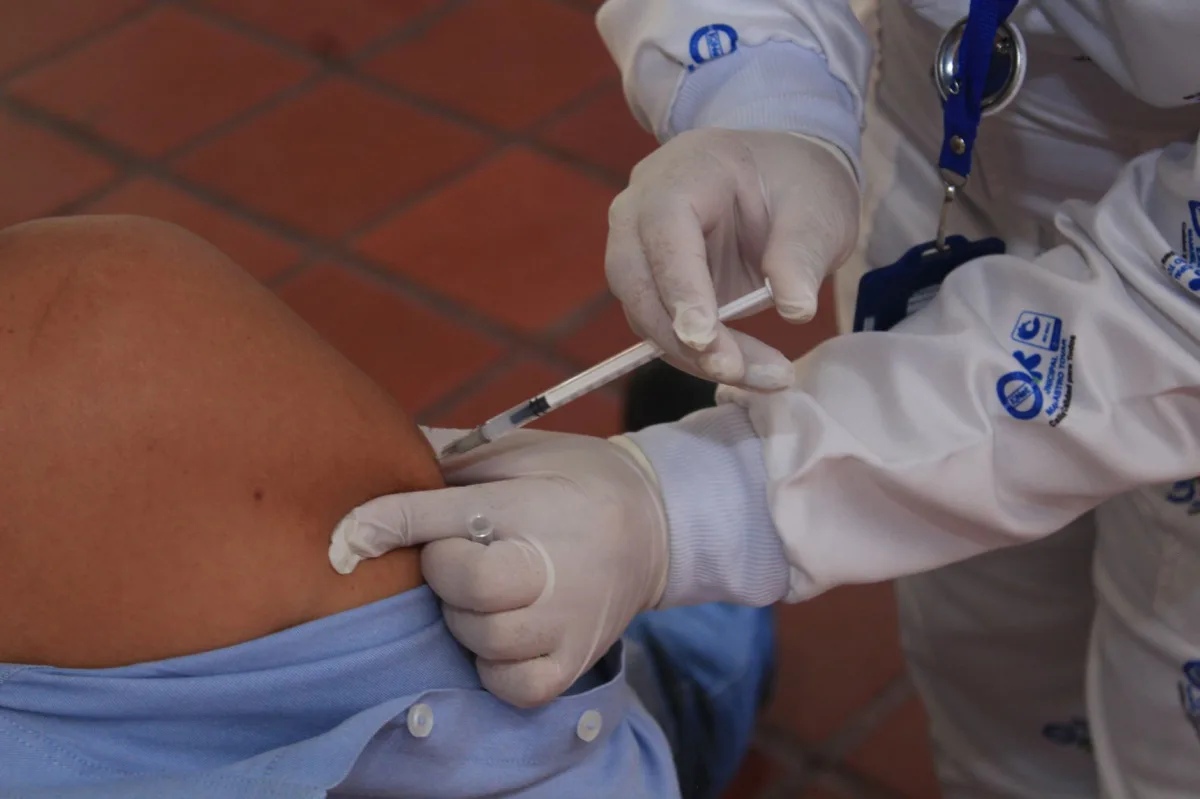
Laboratories are currently working to scale up genomic sequencing to determine if the virus has mutated, which could influence the efficacy of existing therapeutic interventions. While vaccine distribution strategies are being discussed, the focus remains on robust ‘ring vaccination’ techniques centered around known exposure points.
Future Implications and Monitoring
The escalating situation serves as a stark reminder of the fragile state of regional health security in Central Africa. Should the current containment efforts fail to stabilize the infection rate within the next month, the WHO may be forced to declare a Public Health Emergency of International Concern (PHEIC), which would trigger broader global funding and resource mobilization.
Industry observers should monitor the status of supply chains for personal protective equipment (PPE) and rapid diagnostic test kits, as any disruption in these areas could hamper the containment strategy. Furthermore, the effectiveness of the current cross-border cooperation between Kinshasa and Kampala will serve as a bellwether for future regional pandemic preparedness efforts.