









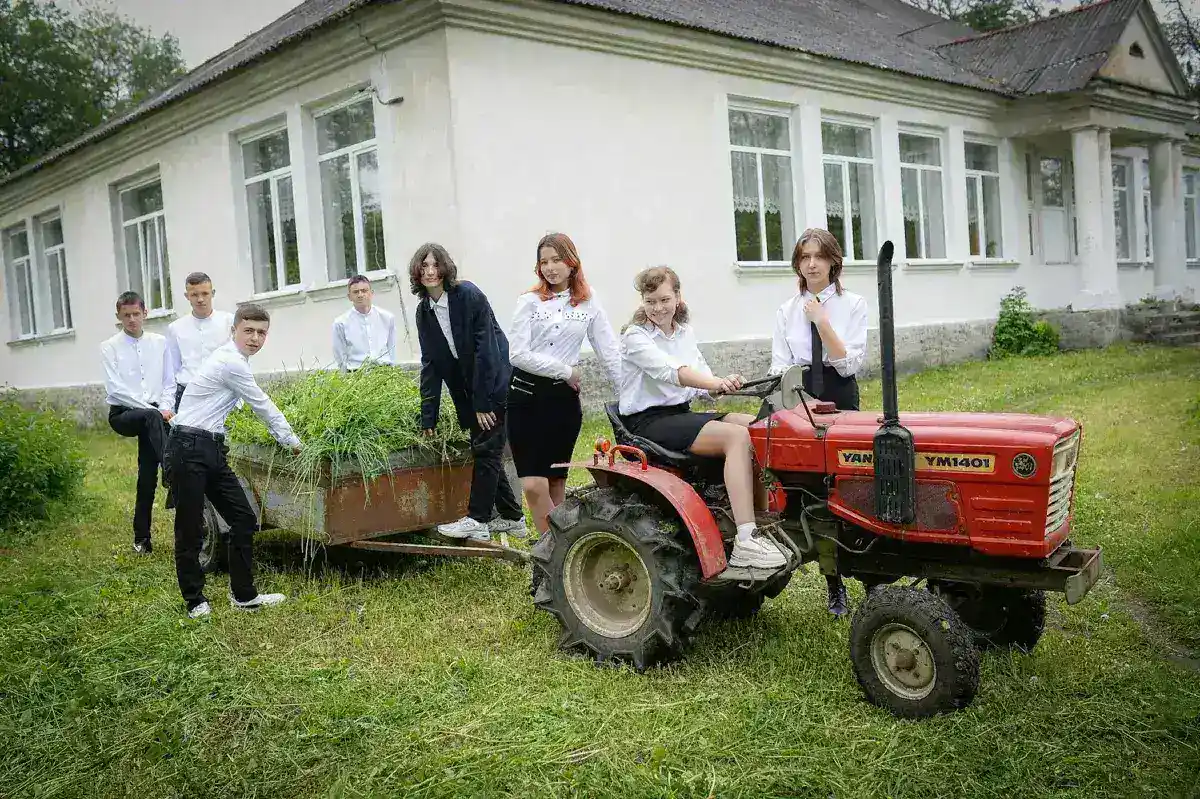
Dozens of graduating seniors at a Michigan high school traded traditional cars and trucks for heavy machinery and recreational vehicles this week, participating in the school’s annual ‘Tractor Day’ tradition. The event, which took place on the school campus, saw students driving tractors, ATVs, and golf carts to their final classes, marking a lighthearted milestone in the lead-up to their upcoming graduation ceremonies.
A Long-Standing Rural Tradition
Tractor Day has become a staple of school culture in agricultural communities across the United States, particularly in the Midwest. While the specific origins of the event are difficult to pinpoint, it serves as a symbolic bridge between the students’ formative educational years and the agricultural heritage of their local communities.
For many participants, the day is less about the vehicles themselves and more about showcasing personal identity and family background. Students often spend weeks preparing their equipment, ensuring that tractors are cleaned and decorated for the school commute.
Logistical Coordination and Safety
Organizing a school-wide event involving heavy farm equipment requires significant collaboration between school administration and local law enforcement. Safety remains the top priority, as school officials must designate specific parking zones to accommodate the wide turns and slow speeds of agricultural machinery.
Local authorities often provide guidance on traffic regulations to ensure that students arriving on public roads adhere to local statutes. Because many of these tractors are not designed for high-speed highway travel, the event typically involves careful route planning to minimize disruptions to morning commutes.
The Cultural Significance of Agricultural Education
Data from the National FFA Organization suggests that agricultural education remains a vital component of the high school experience for millions of students. Events like Tractor Day provide a public platform for students to demonstrate their involvement in family farming operations or local 4-H clubs.
Educational experts note that such traditions foster a sense of belonging and school spirit. By allowing students to bring a piece of their home life into the academic environment, schools can strengthen the connection between the classroom and the local economy.
Future Implications for School Traditions
As academic calendars become increasingly packed with standardized testing and college preparation, the persistence of these community-driven traditions highlights a desire for balance. Educators observe that schools participating in these events often report higher engagement levels from students during the final weeks of the semester.
Looking ahead, observers suggest that similar traditions may see increased scrutiny regarding insurance and liability policies. As schools continue to navigate the balance between tradition and modern safety requirements, the future of Tractor Day will likely depend on the continued cooperation between school districts and local farming families to ensure that these celebrations remain both festive and secure.