









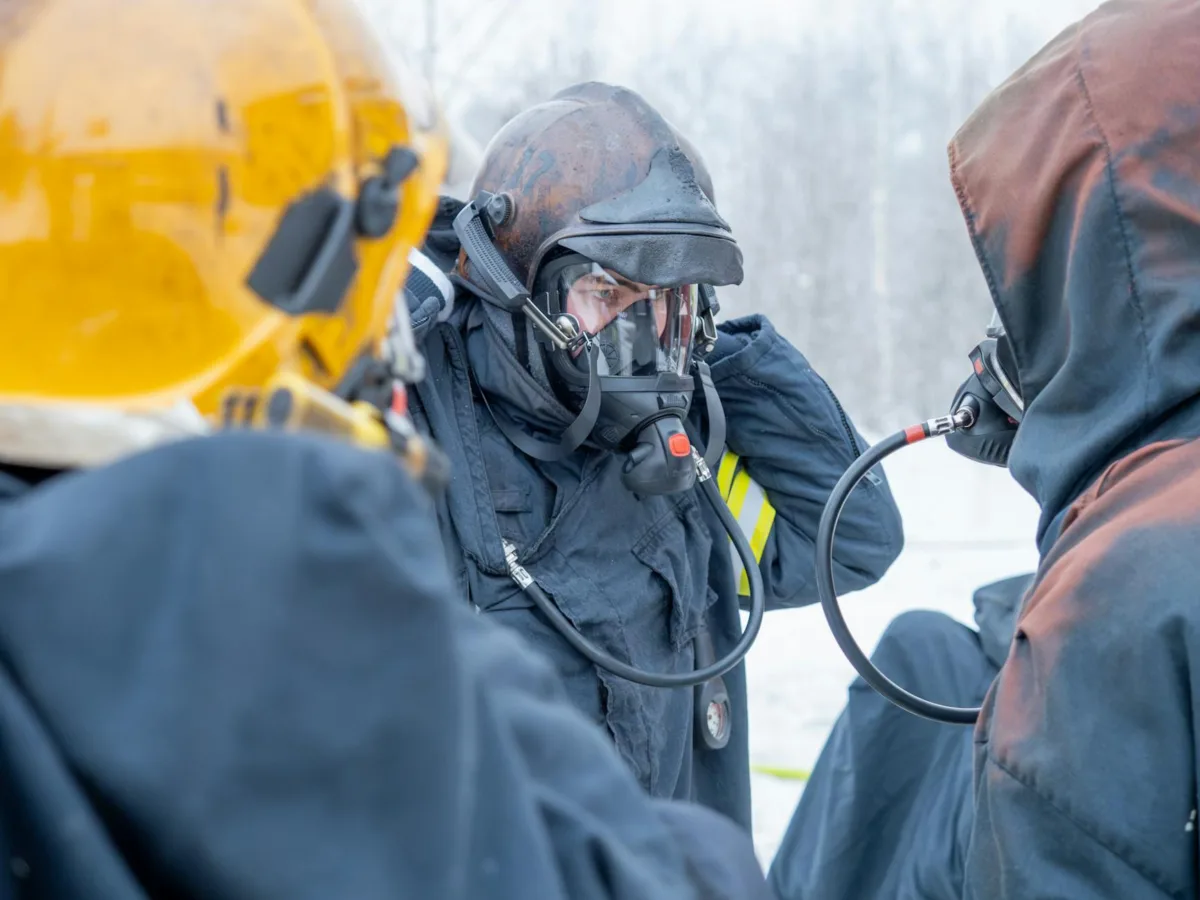
Hazmat Incident in New Mexico Highlights Risks of Fentanyl Exposure for First Responders
Emergency responders in a rural New Mexico county were hospitalized this week after falling ill while attending to a suspected overdose call at a private residence. Authorities confirmed that the scene contained significant quantities of fentanyl and methamphetamine, triggering a hazardous materials response that underscores the growing danger posed by synthetic opioids to public safety personnel.
The incident began when paramedics and law enforcement arrived at the home to treat individuals suffering from apparent drug-related emergencies. Shortly after entering the premises, several first responders reported physical symptoms consistent with opioid exposure, necessitating immediate decontamination and medical treatment. Investigators subsequently secured the property, where they discovered illicit substances that required specialized handling to ensure the safety of surrounding residents.
The Escalating Threat of Synthetic Opioids
Fentanyl, a potent synthetic opioid, has become a primary driver of the nationwide overdose crisis. According to the Drug Enforcement Administration (DEA), fentanyl is 50 to 100 times more potent than morphine, meaning even microscopic amounts can be lethal if inhaled or absorbed through the skin. The presence of these substances in residential settings creates unpredictable environments for emergency crews who are often the first to enter these spaces.
This event is not an isolated occurrence, as police departments and emergency medical services (EMS) agencies across the United States have increasingly reported similar encounters. The prevalence of “poly-drug” mixtures, where fentanyl is cut into other illicit drugs like methamphetamine, increases the likelihood that responders will be exposed to dangerous substances without prior knowledge or appropriate protective equipment.
Operational Challenges and Safety Protocols
For first responders, the primary challenge remains the speed at which they must provide life-saving care. Standard protocols prioritize immediate medical intervention, which often leaves little time for a thorough threat assessment of a scene. The New Mexico incident highlights the necessity for enhanced training regarding the identification of synthetic drug labs and the use of personal protective equipment (PPE), such as nitrile gloves and respiratory protection, during routine wellness checks.
Dr. Elena Rodriguez, a specialist in emergency medicine and toxicological preparedness, notes that the physiological reaction to fentanyl exposure is often immediate. “First responders are trained to act quickly, but the volatility of current synthetic drug supplies means that the scene itself has become an active hazard,” Rodriguez stated. She emphasizes that agencies are now re-evaluating their standard operating procedures to include mandatory Narcan administration kits for responders and more rigorous air-quality testing in suspected overdose locations.
Implications for Public Safety
The incident in New Mexico serves as a stark reminder of the secondary impact of the opioid epidemic on the nation’s emergency infrastructure. When first responders are sidelined by exposure, the capacity of local healthcare systems to handle emergencies is severely diminished. This creates a ripple effect, potentially increasing response times for other citizens in need of urgent assistance.
Looking ahead, policymakers are expected to push for increased funding for hazmat training and specialized equipment for rural departments, which often lack the resources of larger urban centers. Furthermore, the incident will likely prompt a legislative review concerning the handling of crime scenes where high-potency synthetic drugs are suspected. Observers should watch for new safety mandates from state health departments and potential changes in how dispatchers relay information to patrol officers and paramedics during overdose calls to better mitigate these risks.