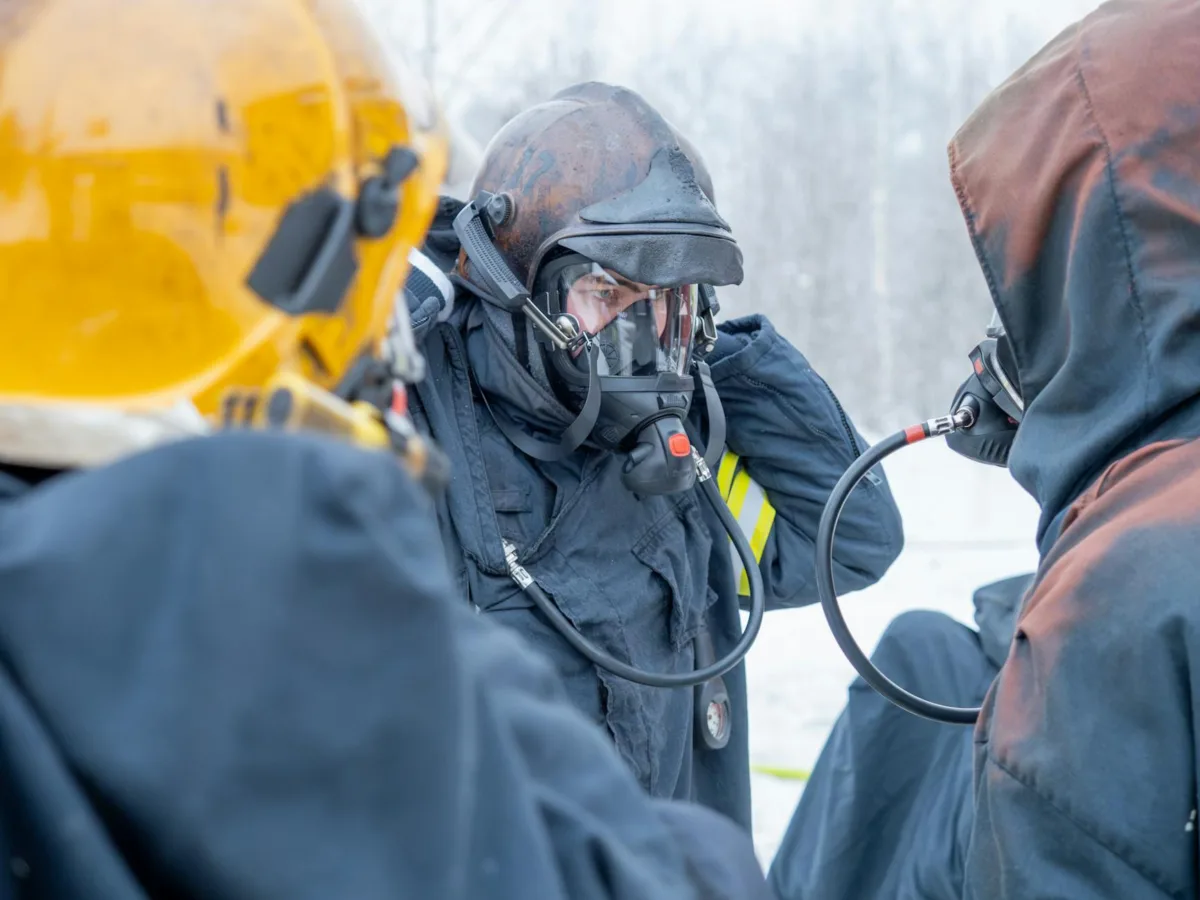










At least 16 people sustained injuries, three of them critically, following a massive fire and subsequent explosion at a shipyard on Staten Island, New York, on Wednesday. The incident, which triggered a significant emergency response, occurred during routine operations, prompting an immediate investigation into the safety protocols and mechanical failures that may have led to the blast.
Context of the Incident
Shipyards are high-risk industrial environments that utilize volatile materials, including various fuels, welding gases, and chemical solvents, necessitating rigorous safety compliance. The facility in question, located along the Staten Island waterfront, has historically served as a hub for maritime maintenance and vessel repairs, operations that inherently involve high-pressure systems and flammable substances.
Details of the Emergency Response
Emergency responders arrived at the scene shortly after the initial reports of fire to find a chaotic environment involving multiple casualties. Fire department officials confirmed that the explosion occurred within a confined space on the property, which complicated rescue efforts and increased the severity of injuries among those working in the immediate vicinity.
First responders worked rapidly to stabilize the injured, transporting them to local trauma centers for urgent medical care. The three individuals listed in critical condition suffered from severe burns and blast-related trauma, requiring specialized treatment at regional burn units.
Operational and Safety Implications
Industrial safety experts note that such incidents often stem from a combination of human error, equipment malfunction, or the improper handling of hazardous materials. According to data from the Occupational Safety and Health Administration (OSHA), maritime and shipyard work remains one of the most hazardous sectors, with explosion risks often tied to the accumulation of combustible vapors in ship holds or repair zones.
The scale of this incident has drawn immediate scrutiny from federal and local oversight agencies. Officials are currently reviewing maintenance logs and safety inspection records to determine if established protocols were followed leading up to the explosion.
Industry Outlook and Future Monitoring
The immediate aftermath of this disaster will likely lead to a temporary cessation of operations at the site as authorities conduct a forensic analysis of the blast site. For the broader maritime industry, this event serves as a stark reminder of the necessity for updated fire suppression systems and enhanced training for personnel working with high-pressure welding equipment.
Looking ahead, industry analysts will be watching for the release of the preliminary investigation report from the fire marshal and OSHA. The findings will likely mandate new compliance standards for similar facilities across the New York harbor area, potentially forcing an industry-wide audit of safety equipment and hazardous material storage procedures.