









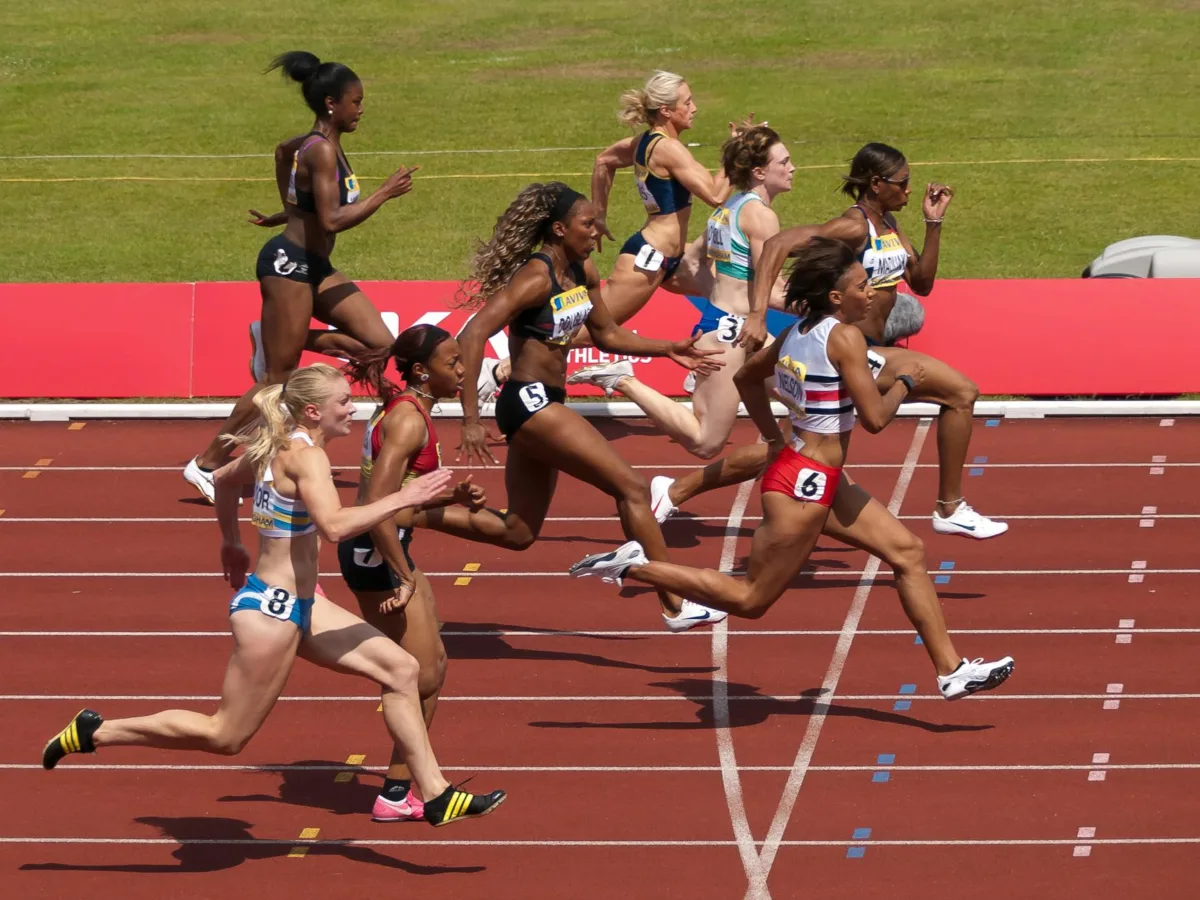
In a dramatic display of explosive speed at the Federation Cup this week, sprinter Animesh Kujur reclaimed the national 100-meter record, narrowly edging out rival Gurindervir Singh in a contest that saw the record books rewritten within a matter of minutes. The event, serving as a critical qualifier for the upcoming Commonwealth Games in Glasgow, transformed the track into a theater of high-stakes competition as athletes vied for national glory and international selection.
Setting the Stage for Commonwealth Glory
The Federation Cup has long served as the crucible for India’s track and field prospects, acting as the final litmus test for athletes hoping to represent the nation on the global stage. This year’s edition carries additional weight, with the Athletics Federation of India (AFI) raising the bar for entry standards to ensure only peak performers secure spots for the Glasgow Games.
The atmosphere in the stadium was electric as competitors arrived with the singular goal of hitting the qualifying marks mandated by the AFI. For rising stars like Tejaswin Shankar, the meet represents a unique challenge, as he attempts to secure qualification in both the high jump and decathlon, pushing the boundaries of versatility in elite athletics.
A Tactical Shift in Competition
The rivalry between Kujur and Singh has become a focal point of the current season, reflecting a broader trend of increased depth in Indian sprinting. Kujur’s ability to recover the record almost immediately after it was broken by Singh underscores the razor-thin margins that now define the sport at the national level.
Beyond individual performances, the Federation Cup has introduced rigorous new administrative protocols. The AFI’s decision to implement SRY gene testing for athletes marks a significant shift in how the federation manages gender eligibility and integrity, aligning domestic standards with international protocols to prevent post-selection disqualifications.
Data-Driven Development
Statistical analysis of recent national meets indicates a clear upward trajectory in performance times across the 100m and 200m disciplines. According to recent performance metrics, the average qualifying times for major international events have dropped by nearly 0.15 seconds over the last three years, suggesting that specialized training and improved track surfaces are paying dividends.
Industry experts observe that the introduction of high-performance coaching camps and improved access to nutritional science has allowed athletes to sustain peak physical condition for longer periods. This depth of competition is forcing athletes to evolve, as they can no longer rely on singular standout performances but must demonstrate consistency throughout the heats and finals.
Future Implications for Indian Athletics
The immediate implication for the sport is a more competitive selection process, which effectively filters out underprepared athletes before they reach international venues. As the dust settles on the Federation Cup, the focus now shifts to the finalization of the Commonwealth Games squad.
Observers will be watching closely to see how the AFI balances the need for strict qualification standards with the potential for developing young talent. The success of athletes like Kujur suggests that the next generation is ready to challenge historical benchmarks, setting the stage for a potentially historic performance in Glasgow. The coming weeks will reveal which athletes can maintain their form under the pressure of international scrutiny and whether the current record-breaking pace can be sustained during the main event.