









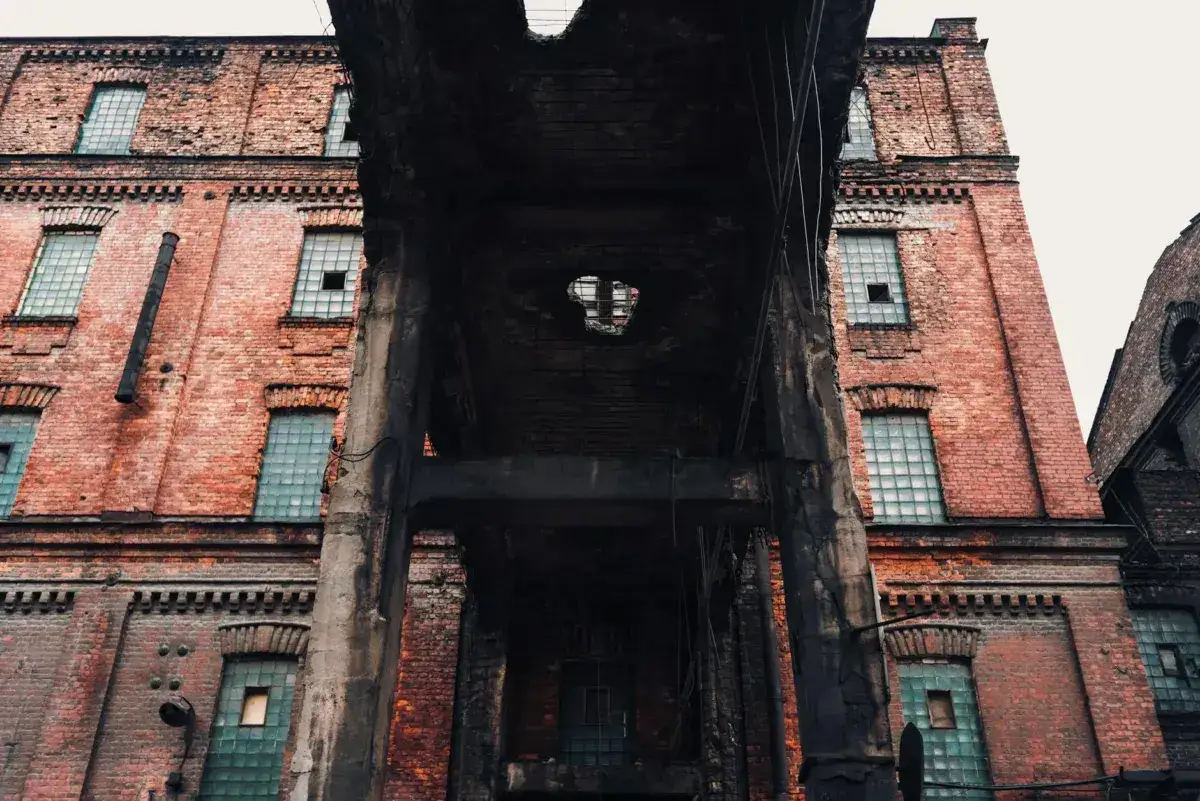
The National Trust for Historic Preservation officially released its 2024 list of America’s 11 Most Endangered Historic Places this week, highlighting sites across the nation that face critical threats of demolition, neglect, or climate change. The annual roster, published in Washington, D.C., coincides with the lead-up to the 2026 semiquincentennial, or America 250, prompting a national conversation on which narratives of history deserve protection as the country approaches its milestone anniversary.
A Legacy of Preservation
Since 1988, the National Trust has identified over 350 sites that have faced the risk of destruction. The organization uses this platform to mobilize local advocacy, secure funding, and raise public awareness for landmarks that represent the diverse tapestry of the American experience.
This year’s selection process placed a heavy emphasis on sites that reflect the struggle for civil rights and the promise of equality. By choosing locations that have historically been sidelined in traditional preservation efforts, the Trust aims to ensure the national narrative is both inclusive and representative of all citizens.
Diverse Sites Under Threat
The 2024 list includes a wide range of locations, from the expansive industrial landscapes of the Midwest to culturally significant community hubs in the South. Among the featured sites are those tied to the labor movement, African American education, and indigenous history.
Experts point out that many of these sites are currently suffering from a lack of consistent maintenance funding. In some cases, urban development plans threaten to erase historic districts entirely in favor of modern high-density housing or commercial spaces.
Data from the National Trust indicates that historic preservation is not merely about aesthetic retention but also about economic viability. Rehabilitating existing structures often proves more sustainable than new construction, reducing the carbon footprint associated with demolition and the production of new building materials.
Expert Perspectives on Preservation
“Preservation is an act of justice,” noted Jay Clemens, a lead preservationist at the National Trust. “When we protect a site, we protect the stories of the people who lived, worked, and fought for their rights there. If these places disappear, we lose the physical evidence of our collective progress.”
Architectural historians emphasize that the threat to these sites is often compounded by climate change. Rising sea levels, increased frequency of extreme weather events, and shifting environmental conditions are placing unprecedented stress on aging infrastructure that was not designed to withstand current climatic volatility.
Implications for the Future
For local communities, inclusion on the endangered list acts as a catalyst for renewed interest and potential federal grant eligibility. It provides a platform to negotiate with developers and city planners who might otherwise prioritize rapid redevelopment over historical integrity.
Looking ahead, the industry will be watching to see how the America 250 initiative influences federal funding allocations for these sites. Observers expect a surge in grassroots campaigns as communities race to stabilize these landmarks before the 2026 celebrations. The success of these preservation efforts will likely serve as a litmus test for how the United States balances the demands of modern infrastructure with the necessity of honoring its complicated, multi-faceted history.