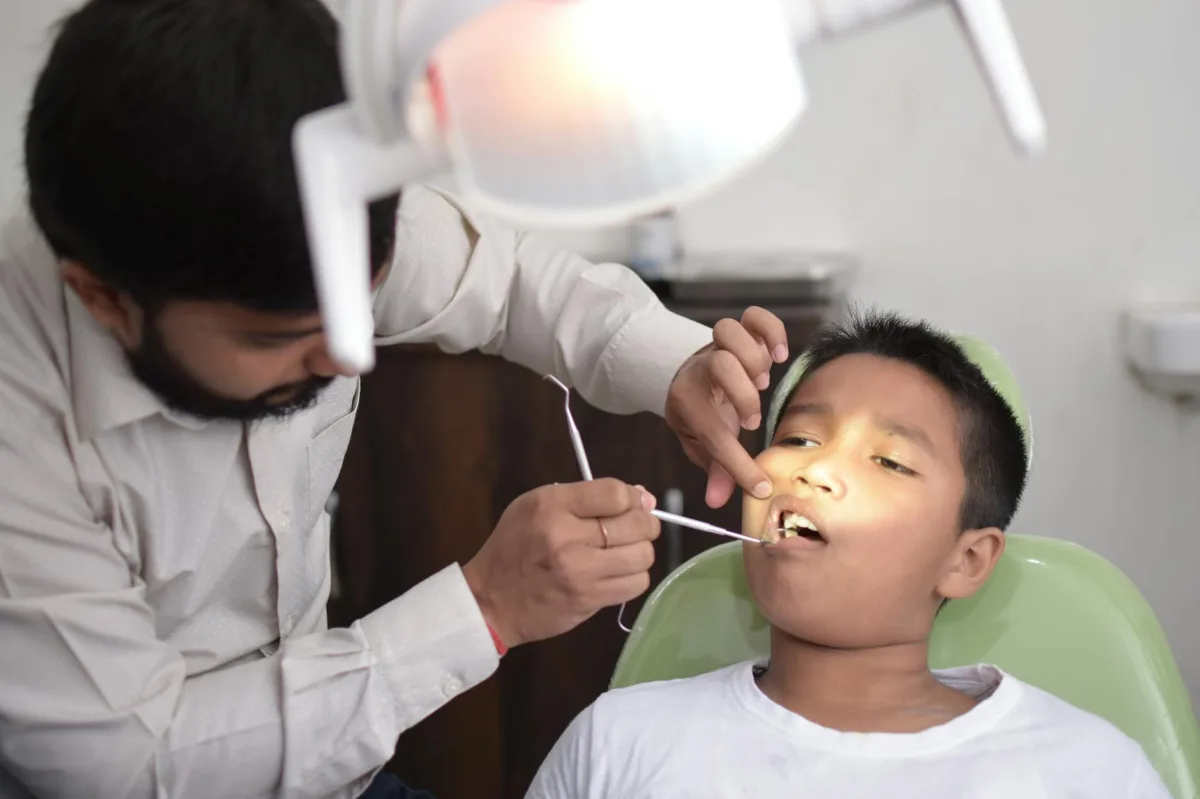









Researchers at the All India Institute of Medical Sciences (AIIMS) Bhopal have released new findings emphasizing the urgent necessity of universal early screening for sickle cell disease (SCD) among pediatric populations in India. The study, conducted this year, highlights that timely diagnosis is the primary determinant in reducing mortality and improving long-term health outcomes for children born with this genetic blood disorder.
The Burden of Sickle Cell Disease
Sickle cell disease is a group of inherited red blood cell disorders that cause red blood cells to become hard, sticky, and shaped like a C-shaped farm tool, known as a ‘sickle.’ These cells die early, which causes a constant shortage of red blood cells, and when they travel through small blood vessels, they get stuck and clog blood flow.
In India, the disease disproportionately affects tribal communities and marginalized populations. The genetic nature of the condition means that without widespread screening, many infants remain undiagnosed until they suffer severe, life-threatening complications like vaso-occlusive crises or acute chest syndrome.
Clinical Insights and Research Methodology
The AIIMS Bhopal research team analyzed patient data to correlate the age of diagnosis with the severity of clinical manifestations. Their findings indicate that children diagnosed within the first few months of life through newborn screening programs show significantly lower rates of hospitalization compared to those diagnosed after the onset of symptoms.
Dr. Rajesh Malik, a lead researcher involved in the study, noted that early intervention allows for the implementation of prophylactic measures. These include routine penicillin prophylaxis, comprehensive vaccination schedules, and the initiation of hydroxyurea therapy, which can prevent the most debilitating effects of the disease.
The Challenge of Implementation
Despite the clear medical advantages, implementing universal screening across India remains a logistical challenge. The country’s vast geography and the concentration of the disease in remote, underserved regions complicate the delivery of diagnostic services.
Current healthcare data suggests that while the government has launched the National Sickle Cell Anaemia Elimination Mission, the integration of point-of-care testing at the primary health center level is still evolving. Experts argue that shifting from reactive treatment to proactive screening requires sustained investment in diagnostic infrastructure and community awareness programs.
Implications for Future Healthcare Strategy
The AIIMS Bhopal study serves as a call to action for policymakers to prioritize pediatric screening as a cornerstone of national health policy. By identifying affected infants before they become symptomatic, the healthcare system can effectively transition from expensive, emergency-based care to more manageable, preventative strategies.
Looking ahead, industry analysts and public health officials will be watching for the expansion of molecular diagnostic capabilities in rural health districts. The success of these initiatives will likely be measured by the reduction in pediatric mortality rates and the increased uptake of long-term disease management plans across high-prevalence states.