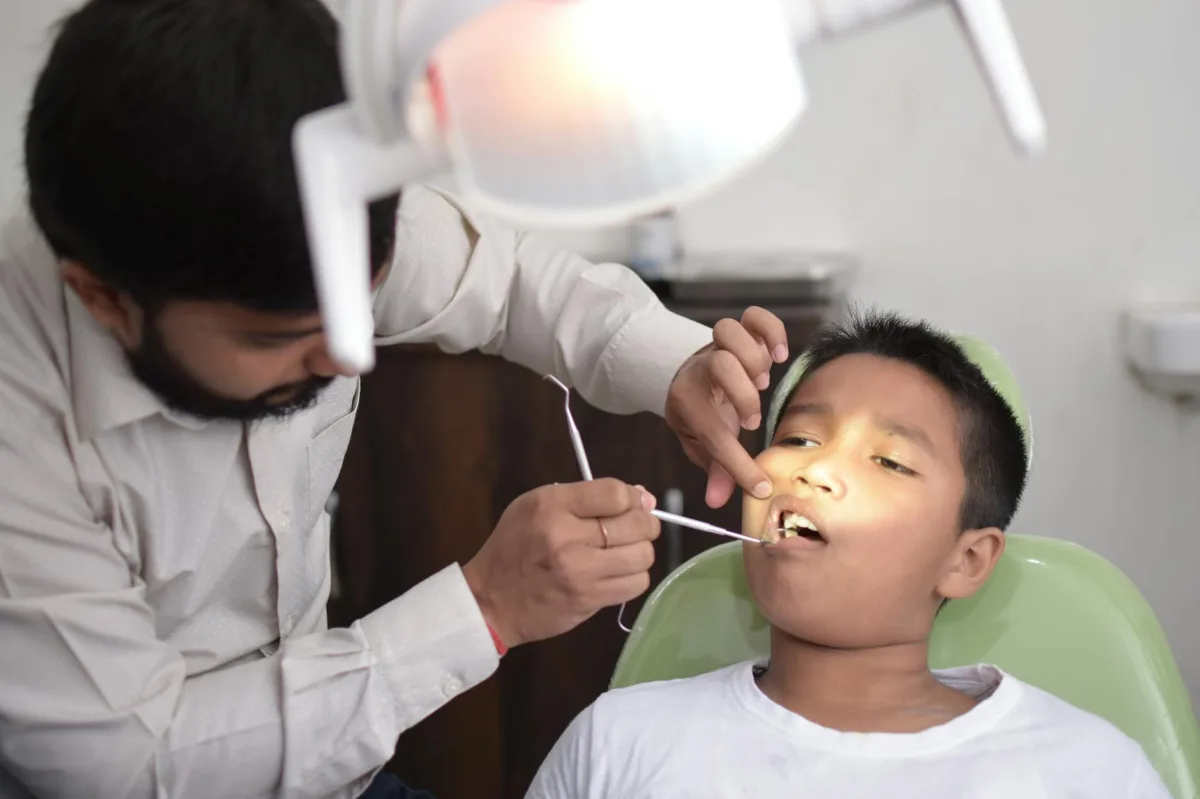









Public Health Crisis Emerges
Australian health authorities have confirmed a surge in diphtheria cases, with over 220 infections reported across the country, marking the most significant outbreak of the preventable disease in decades. The rise in cases, which has triggered urgent public health warnings, highlights a critical gap in community immunization coverage across several states. Officials are currently working to contain the spread, focusing on vulnerable populations and regions where vaccination rates have plateaued or declined.
Understanding the Re-emergence
Diphtheria, a bacterial infection caused by Corynebacterium diphtheriae, was once a common cause of childhood illness and death before the widespread adoption of vaccines. The disease primarily affects the mucous membranes of the nose and throat, characterized by a thick grey coating that can cause breathing difficulties and heart failure in severe cases. While Australia has maintained high historical vaccination rates, the recent spike has been attributed to a combination of pandemic-related disruptions to routine healthcare and a general waning of public awareness regarding booster schedules.
Analysis of the Current Landscape
Public health experts have labeled the current situation a failure of preventative systems, emphasizing that diphtheria is entirely avoidable through standard immunization protocols. Data from state health departments indicate that many of the recorded cases involve individuals who either missed their scheduled boosters or were never fully vaccinated. The Australian Broadcasting Corporation reports that the outbreak has prompted a shift in government strategy, moving toward more targeted outreach programs designed to reach underserved communities and those who may have fallen through the cracks of the national health register.
Expert Perspectives
Medical professionals are urging citizens to review their vaccination status immediately, noting that immunity can diminish over time in adults. Dr. Sarah Jenkins, an infectious disease specialist, notes that ‘the complacency surrounding vaccine-preventable diseases is the greatest threat to our current public health infrastructure.’ By prioritizing catch-up programs, health departments aim to restore the herd immunity necessary to halt the transmission of the bacteria before it reaches high-risk groups such as the elderly or immunocompromised.
Implications for the Future
The Australian government is now implementing a more robust surveillance strategy, involving increased testing capacity and enhanced contact tracing to monitor the trajectory of the outbreak. For the general public, this serves as a stark reminder that international travel and domestic social interactions continue to facilitate the spread of pathogens that were previously considered well-controlled. Looking ahead, stakeholders will be watching closely to see if current vaccination drives can successfully curb the transmission rate. Future policy discussions are likely to focus on mandatory reporting systems and school-entry requirements to ensure that population-level immunity remains at the high thresholds required to prevent further resurgence.