






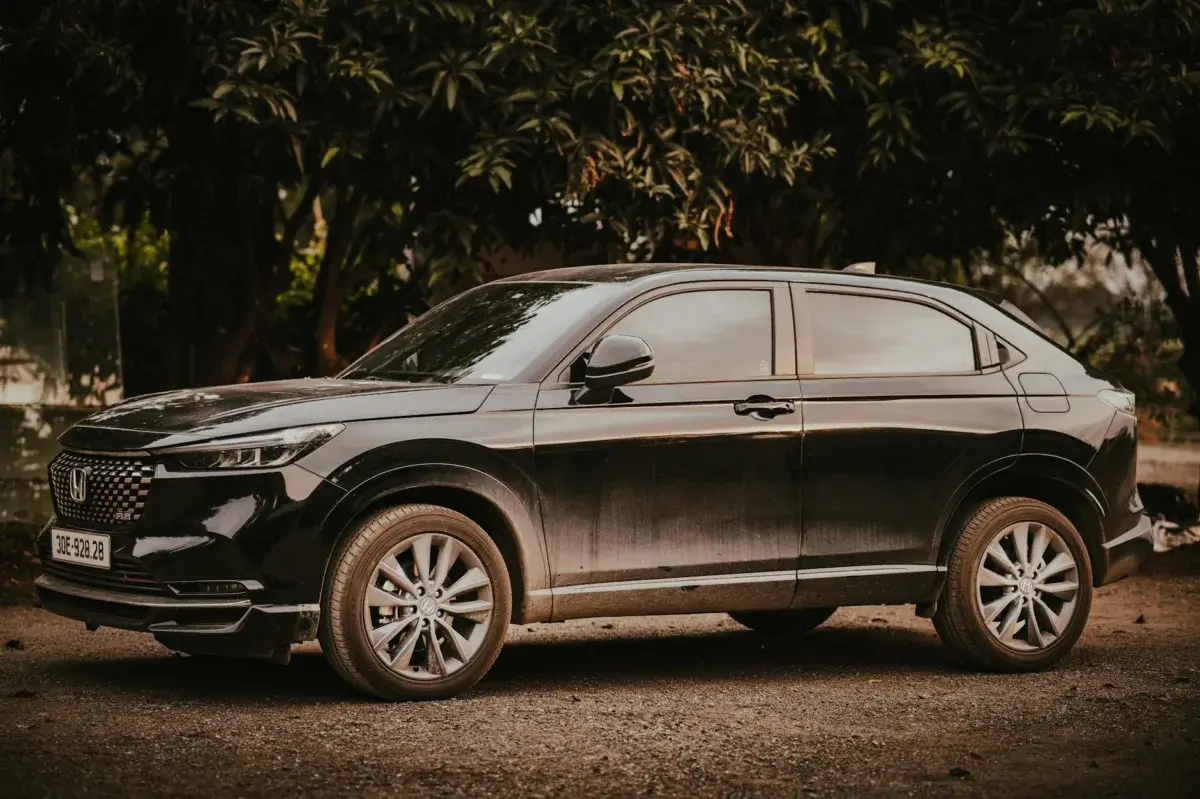
Honda Cars India has officially unveiled the 2026 ZR-V, a premium SUV positioned to anchor the company’s refreshed lineup in the competitive Indian market. The vehicle made its debut this week, marking a strategic pivot as Honda aims to capture a larger share of the country’s rapidly growing SUV segment.
Context and Market Positioning
The introduction of the ZR-V follows Honda’s public commitment to launch over 10 new models in India by 2030. Historically reliant on sedans like the City and Amaze, the manufacturer is now aggressively pivoting toward high-riding vehicles to align with evolving consumer preferences.
Market analysts note that the ZR-V serves as a bridge between the sub-compact and mid-size SUV categories. By entering this space, Honda intends to compete directly with established segment leaders, leveraging its reputation for powertrain reliability and interior refinement.
Design and Interior Features
The 2026 ZR-V showcases Honda’s latest global design language, characterized by a bold, honeycomb-patterned grille and sleek LED headlamps. Its muscular silhouette is designed to provide a commanding road presence while maintaining aerodynamic efficiency.
Inside, the cabin prioritizes ergonomic comfort and modern technology. The interior features a high-resolution touchscreen infotainment system with wireless smartphone connectivity, a panoramic sunroof, and premium upholstery materials designed to appeal to urban buyers.
Performance and Hybrid Integration
A significant highlight of the new ZR-V is its hybrid powertrain, reflecting the industry’s shift toward electrified mobility. Honda has integrated its e:HEV technology, which offers a balance between fuel economy and responsive performance, catering to the rising demand for greener transportation in Indian cities.
Industry experts suggest that the dual-motor setup provides seamless transitions between electric and internal combustion power. This technical configuration is expected to be a major selling point for commuters seeking lower operating costs without the range anxiety associated with pure electric vehicles.
Strategic Implications for the Industry
For the Indian automotive sector, the arrival of the ZR-V signals a deepening of competition in the premium SUV space. Honda’s entry forces existing players to re-evaluate their feature sets and pricing strategies to maintain market share.
Consumers can expect increased innovation in cabin technology and safety suites as brands battle for dominance. The success of the ZR-V will likely determine the pace at which Honda introduces its next wave of hybrid and potentially battery-electric vehicles into the region.
Looking ahead, industry observers are tracking the official price announcement and initial delivery timelines. Analysts suggest that if Honda maintains a competitive pricing structure, the ZR-V could significantly boost the brand’s quarterly sales volume and long-term brand equity in India.