







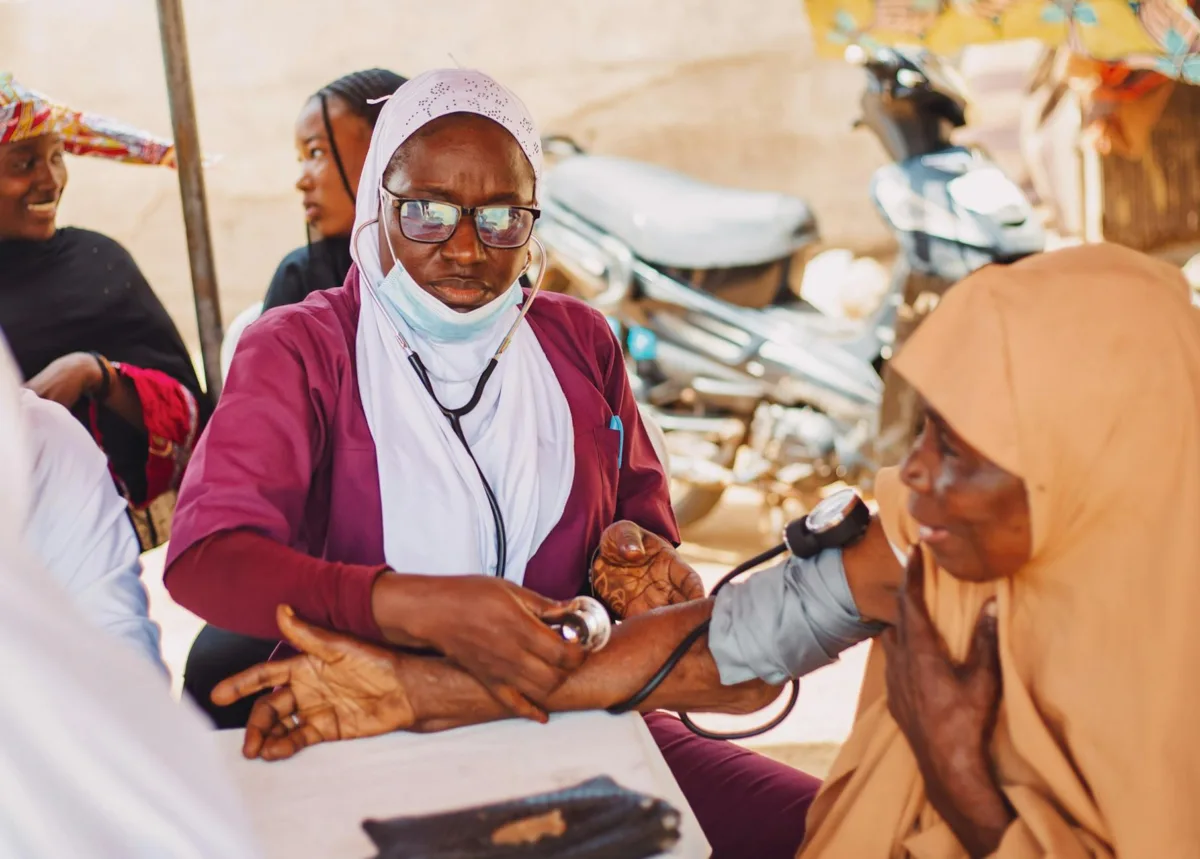
Regional Health Alert Escalates
The World Health Organization (WHO) has officially classified the current Ebola outbreak—driven by the Bundibugyo virus in the Democratic Republic of the Congo (DRC) and neighboring Uganda—as a public health emergency of regional concern. While international health authorities emphasize that the global risk remains low, the immediate threat to communities within the affected Central African corridors is considered high due to porous borders and intense cross-border movement.
Context of the Viral Threat
The Bundibugyo virus is one of several known species of the Ebolavirus genus, known for causing severe hemorrhagic fever with high mortality rates. This specific outbreak has prompted the WHO to coordinate rapid response efforts to contain transmission chains. Historically, outbreaks in this region face significant logistical hurdles, including difficult terrain and the necessity for culturally sensitive public health communication to ensure community cooperation.
Operational Challenges and Vaccine Development
Containment strategies are currently focused on rigorous contact tracing, isolation, and the implementation of strict infection prevention protocols in local healthcare facilities. Experts indicate that while vaccine development is underway, the timeline for a widely available, effective immunization campaign could extend up to nine months. This delay places a heavy burden on traditional public health measures like sanitation and rapid diagnostic screening.
Global and National Responses
International health agencies are currently providing technical support and laboratory supplies to regional health ministries to bolster surveillance. In nations like India, government authorities have proactively ramped up surveillance at international ports and airports to screen travelers arriving from affected areas. Despite these precautionary measures, health ministries globally confirm that no cases have been exported outside the immediate region, and current risk assessments do not warrant international travel or trade restrictions.
Expert Perspectives and Data Analysis
Epidemiologists warn that the success of containment hinges on the speed of reporting suspected cases. Data from the WHO indicates that early intervention significantly reduces the secondary attack rate within households and healthcare settings. Public health officials emphasize that while the virus is highly infectious, modern containment protocols, when applied correctly, have proven effective in preventing widespread dissemination beyond the epicenter.
Looking Ahead
The coming weeks will be critical for determining the trajectory of the outbreak as regional health teams work to stabilize transmission zones. Observers are watching for the results of upcoming vaccine trials and the efficacy of newly deployed mobile diagnostic units. Industry leaders and international aid organizations are expected to increase resource allocation to ensure that local healthcare systems remain resilient against the dual pressures of viral containment and routine medical service delivery.