







Legal Proceedings and Investigative Deadlocks
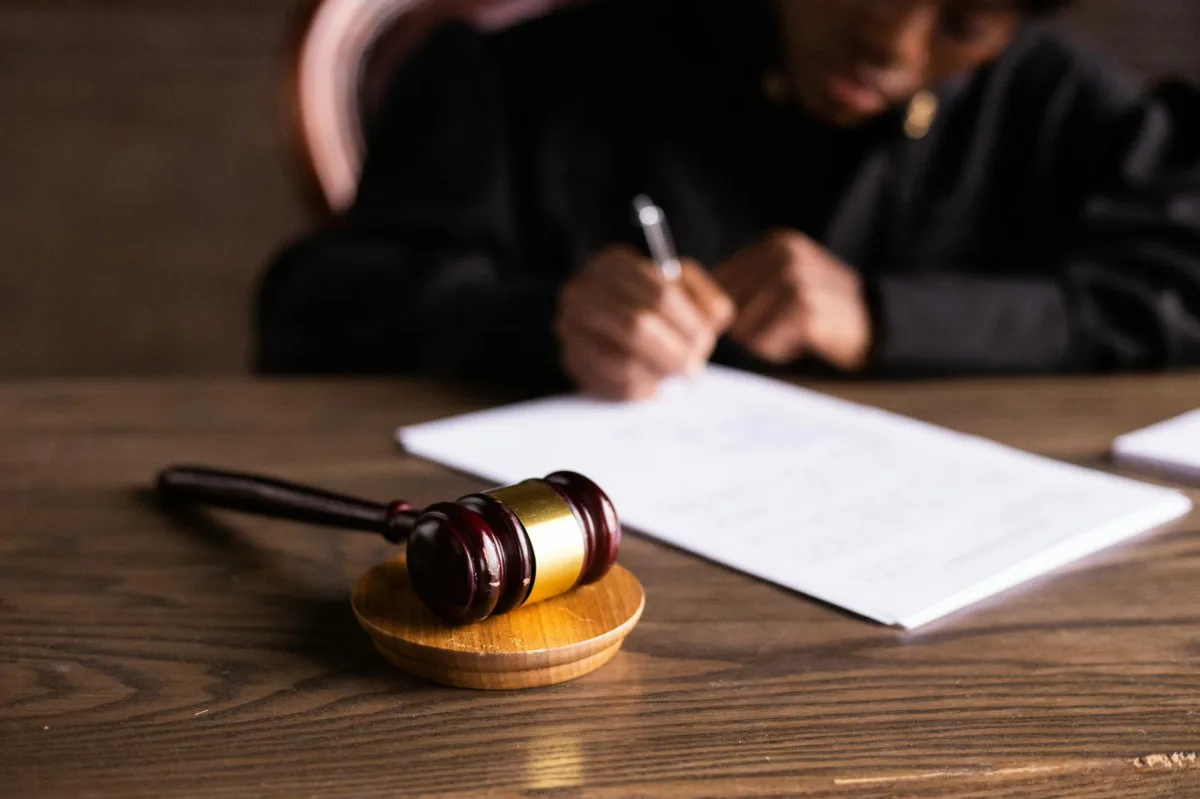
The investigation into the death of model and actor Twisha Sharma in Bhopal has reached a critical legal impasse, as local judicial authorities recently rejected a request from the victim’s family for a second autopsy. Despite the Bhopal Police Commissioner signaling no official objection to a re-examination of the remains, the district court’s refusal to grant the request has intensified scrutiny surrounding the procedural integrity of the case.
The incident, which has drawn national attention, involves allegations of dowry-related harassment and domestic strife. The family of the deceased has consistently expressed deep skepticism regarding the initial investigative findings, leading to their formal petition for an independent medical evaluation to ensure transparency.
Contextual Background of the Case
Twisha Sharma, a prominent figure in the local modeling and acting scene, was found dead under circumstances that her family claims point to foul play rather than suicide. The case has gained significant complexity due to the reported involvement of a retired judge’s family, who have been named in connection with the ongoing probe.
This connection has fueled intense public debate regarding the influence of high-profile families within the legal system. The demand for a second autopsy was intended to address gaps in the initial medical report, which the family argues failed to account for specific physical evidence related to the alleged abuse.
Shifting Investigative Landscapes
While the district court has opted to examine the police case diary to verify the adequacy of the primary investigation, the broader political response suggests a potential shift in oversight. Madhya Pradesh Chief Minister Mohan Yadav has publicly indicated that the state government is prepared to recommend a Central Bureau of Investigation (CBI) probe if the current findings remain unsatisfactory to the victim’s kin.
Legal experts observe that the court’s decision to scrutinize the case diary is a standard procedural step designed to determine if the police followed all forensic mandates. However, the move is also seen as a tactical delay in a case where public sentiment is increasingly demanding an external, impartial inquiry.
Expert Perspectives on Forensic Transparency
Forensic analysts point out that the window for meaningful secondary autopsies is narrow and often fraught with logistical hurdles once the initial burial or cremation has occurred. Dr. Anjali Rao, an independent forensic consultant, noted that while a second autopsy can provide clarity, the integrity of evidence relies heavily on the quality of the initial scene preservation and the documentation provided in the original case diary.
Data from the National Crime Records Bureau suggests that cases involving dowry-related deaths often face prolonged legal battles, with conviction rates hovering significantly lower than other violent crime categories. This underscores the necessity for airtight forensic evidence during the early stages of an investigation to withstand rigorous cross-examination in court.
Future Implications and Monitoring
The primary focus remains on the upcoming court review of the case diary, which will determine whether the current investigation meets the threshold of judicial satisfaction. If the court finds discrepancies in the initial police report, it could set a legal precedent for the mandatory inclusion of independent observers in high-profile cases involving influential figures.
Stakeholders are now watching for the state government’s formal request to the CBI, which would effectively transition the case from local jurisdiction to a federal mandate. Observers suggest that the involvement of a central agency could provide the necessary distance to appease the family’s concerns and restore public confidence in the judicial process as the case moves toward potential trial phases.