









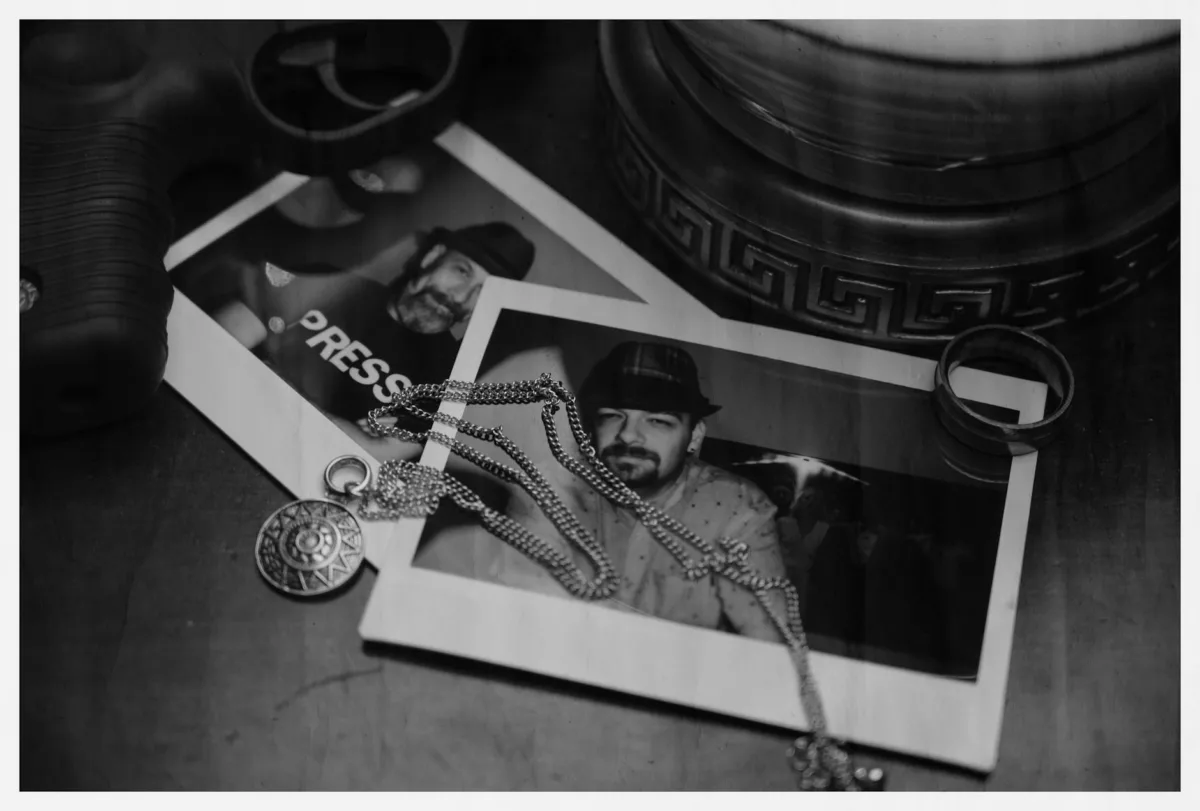
The Price of Nostalgia
The personal effects of the late actor Matthew Perry, including his wallet and a Screen Actors Guild trophy, will be offered to the public in a high-profile estate auction scheduled for next month. While the collection features items valued as high as $1,650, the sale has ignited a broader cultural conversation regarding the ethics of selling personal memorabilia following the untimely death of a beloved public figure.
The Context of Celebrity Estate Sales
Estate auctions for high-profile celebrities have long served as a bridge between fans and their idols, allowing individuals to acquire tangible pieces of Hollywood history. Historically, these events—often managed by specialized auction houses—aim to distribute assets to beneficiaries while managing the transition of a public legacy into private hands.
However, the transition from personal property to marketable commodity often blurs the lines between legacy preservation and commercial exploitation. For fans of the long-running sitcom Friends, the inclusion of intimate items like a personal wallet creates a visceral reminder of the actor’s life outside of his fictional persona.
A Closer Look at the Collection
The inventory slated for auction includes a variety of items that provide a window into Perry’s daily life, from his AAA membership card to more prestigious industry awards. The presence of such mundane, everyday objects alongside professional accolades suggests a complex valuation process that prioritizes the ‘celebrity aura’ over the practical utility of the items.
Industry analysts note that celebrity estates often see a surge in valuation immediately following a star’s passing. According to data from memorabilia market trackers, items tied to iconic figures often fetch prices significantly higher than their intrinsic market value due to emotional attachments and the scarcity of authentic personal artifacts.
Expert Perspectives on Memorabilia
Cultural historians argue that the commodification of grief is a modern byproduct of the parasocial relationships nurtured by television stardom. Dr. Elena Vance, a sociologist specializing in media studies, notes that fans often seek to ‘possess’ a piece of the deceased to maintain a sense of connection, which auction houses leverage to drive competitive bidding.
‘The auction house functions not just as a retail space, but as a curator of memory,’ says Vance. ‘When a wallet becomes a $1,650 item, it ceases to be a functional object and instead becomes a relic of a life lived in the public eye.’
Implications for the Industry
This auction highlights an ongoing trend where the boundary between public and private life continues to dissolve, even after death. For the industry, this signals a shift toward more aggressive marketing of celebrity estates, where the narrative surrounding the items is just as important as the items themselves.
Looking ahead, observers should watch how the market reacts to the sale of increasingly personal, non-professional items. Future estate sales may face greater scrutiny regarding the ethical implications of selling deeply private documents or objects, potentially leading to new industry standards for what is considered appropriate for public sale versus what should remain in the family archive.