







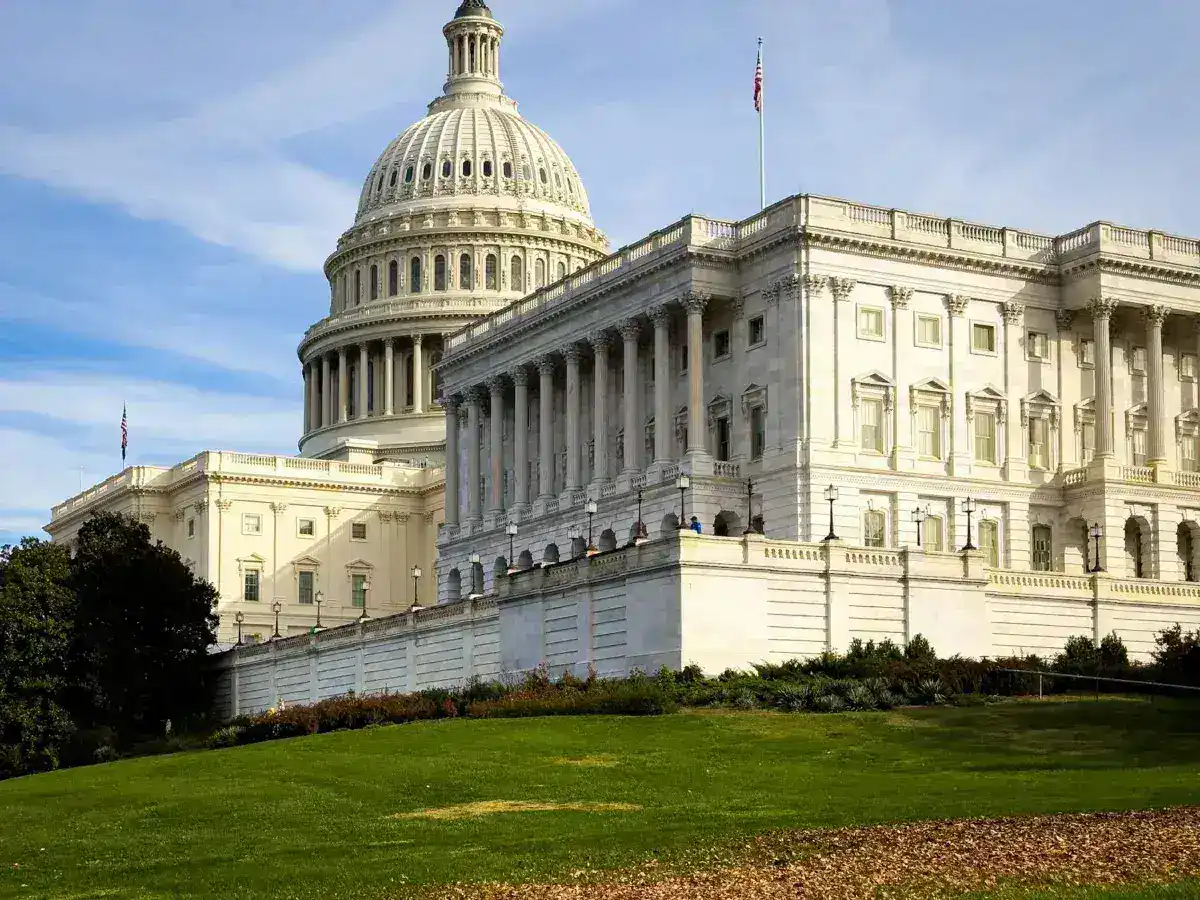
A Crowded Field Faces Federal Complexity
Seven Democratic candidates are currently vying to succeed D.C. Mayor Muriel Bowser, embarking on a high-stakes campaign that requires balancing local sovereignty with a complex, evolving relationship with the Trump administration. As the primary election approaches on June 16, these candidates must navigate the federal government’s increasing influence over District affairs, ranging from public park maintenance to the oversight of the Metropolitan Police Department (MPD).
The Weight of Federal Partnership
The District’s unique status as the nation’s capital places it in a perpetual tug-of-war with federal oversight. Recent efforts by the administration to beautify the city, such as the restoration of the Meridian Hill Park fountain, have sparked debate among candidates regarding the sustainability of federal funding. While some, like frontrunner Janeese Lewis George, welcome federal investment, they caution against the risks of inconsistent funding and the reliance on a National Park Service that has faced significant personnel cuts.
Other candidates remain more skeptical of the administration’s overtures. Rini Sampath, the first South Asian candidate to qualify for the ballot, warned that federal support often comes with hidden caveats. She noted that initiatives like the proposed 250-foot triumphal arch reflect a haphazard approach to urban planning that may not align with the long-term interests of District residents.
Police Reform and Leadership Transitions
The Metropolitan Police Department (MPD) has emerged as a central flashpoint in the race, with a near-unanimous consensus among candidates that a leadership change is imminent. Interim Chief Jeffery Carroll faces significant scrutiny, as zero candidates in a recent forum expressed support for retaining him in the position. This resistance stems from ongoing controversies, including a lawsuit filed by Black female officers alleging a toxic and discriminatory work environment under his leadership.
The department is currently navigating a period of intense instability, following an internal investigation into the accuracy of crime statistics that resulted in 13 officers being placed on administrative leave. This controversy has drawn the attention of both Congress and the U.S. Attorney’s office, further complicating the task for whoever assumes the mayoral office. While candidates like Gary Goodweather advocate for a total leadership reset, others, such as Hope Solomon, emphasize the immense pressure the department faces regarding staffing shortages and the complex demands of federal law enforcement cooperation.
The Path Ahead
Whoever secures the nomination will inherit a city grappling with the dual pressures of local governance and federal mandate. With two years remaining in the current presidential term, the next mayor will be forced to maintain a delicate balance between defending the District’s home rule and collaborating with an administration that shows no signs of retreating from local affairs. Voters should watch for how candidates define their specific strategies for police accountability and whether they can secure sustainable federal commitments that do not compromise the city’s autonomy.