









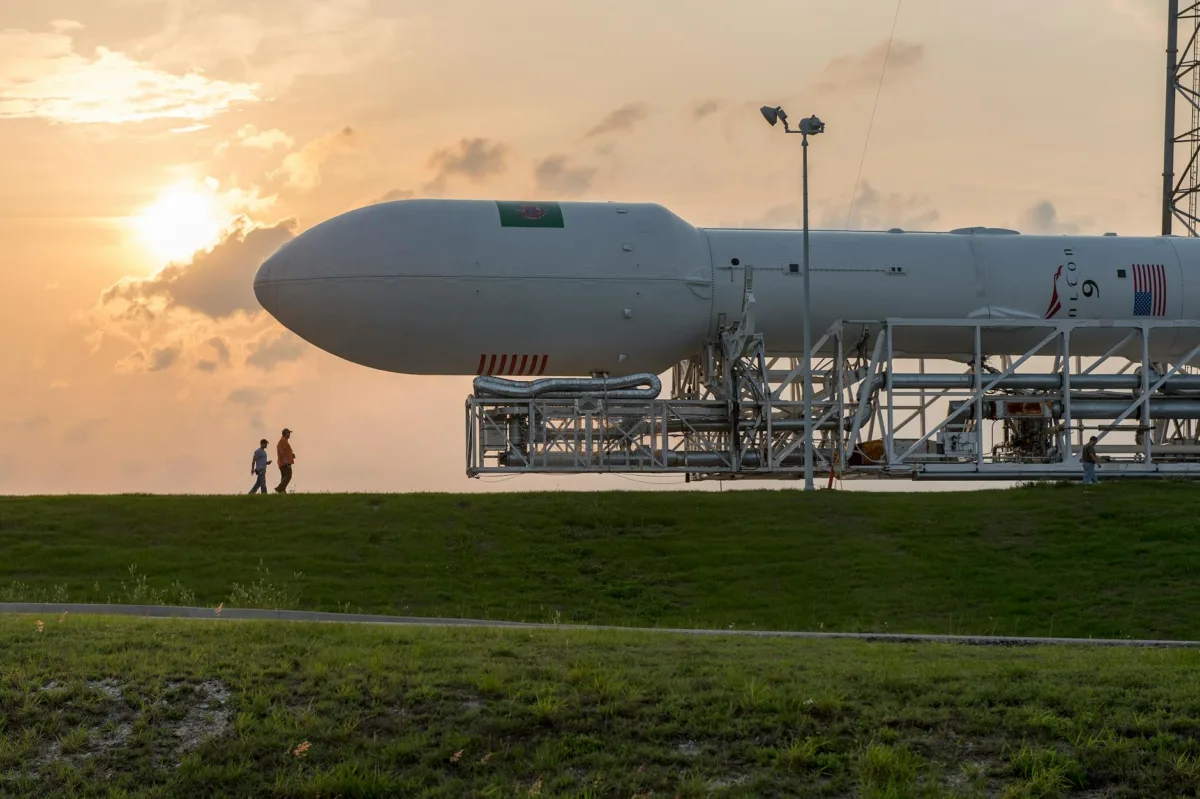
SpaceX, the aerospace giant led by billionaire Elon Musk, is currently fueling intense speculation on Wall Street as rumors of a potential initial public offering (IPO) gain momentum. Analysts suggest that such a move would represent a watershed moment for the private space industry, potentially consolidating Musk’s influence over the global satellite and launch sectors while providing the capital necessary for his ambitious Mars colonization objectives.
The Context of Private Space Dominance
Founded in 2002, SpaceX has spent over two decades evolving from a speculative startup into the primary launch provider for NASA and a dominant force in global telecommunications through its Starlink constellation. The company currently holds a near-monopoly on heavy-lift orbital launches, a position that has fundamentally altered the economics of space access.
Investors have long clamored for access to SpaceX, which has operated solely as a private entity, allowing Musk to maintain near-total control over its long-term vision. A transition to public markets would require the company to adhere to rigorous financial disclosures and quarterly reporting, a shift that presents a significant departure from Musk’s historical preference for private governance.
The Mechanics of Market Consolidation
Market observers note that an IPO could serve as a strategic mechanism for Musk to secure massive capital infusions without diluting his vision. By leveraging the high valuation of SpaceX—often estimated in excess of $200 billion—Musk could potentially fund the development of the Starship rocket system, a key component in his long-term goal of establishing a human colony on Mars.
However, the prospect of a SpaceX IPO has raised concerns regarding corporate governance and the peculiar nature of the firm’s disclosures. Recent reports have highlighted unconventional elements in investor pitches, including warnings regarding the integration of artificial intelligence technologies like Grok and the inherent risks of interplanetary travel. These details suggest that a public SpaceX would be a unique asset, characterized by high-risk, high-reward ventures that deviate significantly from traditional aerospace business models.
Expert Perspectives and Financial Risks
Financial analysts at firms like the Financial Times suggest that a SpaceX listing would ignite a massive trading frenzy, drawing parallels to the public market entries of other high-profile AI and tech firms. The sheer scale of the company’s operations means that its performance would likely become a bellwether for the broader tech and aerospace sectors.
Critics, however, point to the volatility inherent in Musk’s management style. Data from the Economist indicates that the company is betting heavily on unproven technologies, placing immense pressure on the success of its next-generation launch platforms. Investors must weigh the potential for exponential growth against the high probability of systemic failure associated with pioneering deep-space infrastructure.
Implications for the Future of Aerospace
For the average investor, a SpaceX IPO represents the rare opportunity to own a piece of the company currently defining the space economy. For the industry, it signals a transition from government-funded exploration to a market-driven model where profit motives and scientific breakthroughs are increasingly intertwined.
As the potential listing approaches, market participants should monitor the company’s regulatory filings for shifts in governance structure or changes in its capital allocation strategy. The primary watch point for the coming year will be how the company manages the tension between its ambitious, long-term scientific goals and the short-term expectations of public shareholders.