









Strategic Milestone in Odisha
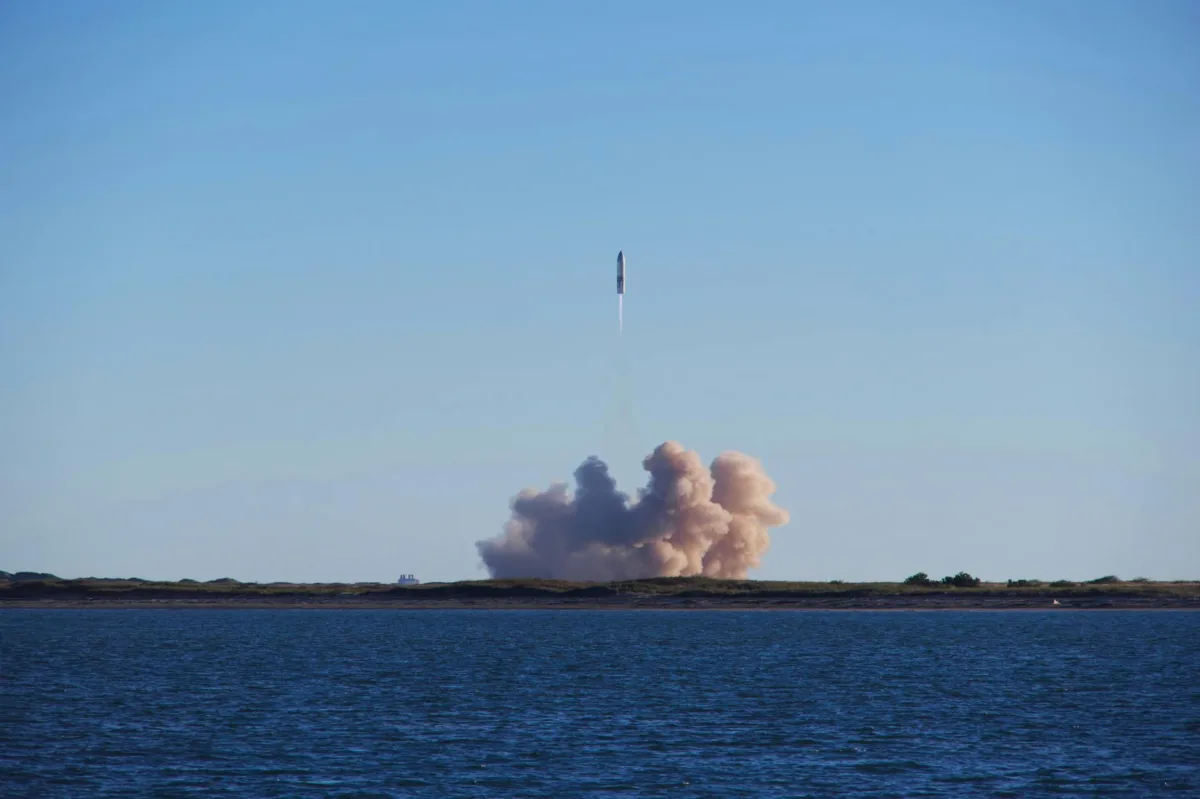
India successfully conducted a training launch of the Agni-1 short-range ballistic missile from the APJ Abdul Kalam Island off the coast of Odisha on Wednesday. The Strategic Forces Command oversaw the operation, which validated the operational readiness and technical parameters of the nuclear-capable weapon system. This latest test marks a continuing effort by the Indian military to refine its land-based strategic deterrent capabilities.
Contextualizing the Agni Program
The Agni-1 is a cornerstone of India’s integrated guided missile development program, serving as a critical short-range asset in the nation’s nuclear triad. Developed by the Defence Research and Development Organisation (DRDO), the missile is designed for high mobility and precision, capable of striking targets at ranges between 700 and 1,200 kilometers. Its development has historically been aimed at ensuring a credible minimum deterrent against regional security threats.
Technical Capabilities and Operational Deployment
The Agni-1 utilizes a single-stage, solid-fuel propulsion system, allowing for rapid deployment and quick reaction times. Unlike liquid-fueled rockets, solid-propellant missiles can be stored for extended periods and launched with minimal preparation, a vital requirement for tactical nuclear deterrence. The missile’s sophisticated navigation system ensures high accuracy, maintaining a circular error probable (CEP) that meets international standards for modern ballistic weaponry.
Regional Security Dynamics
Military analysts suggest that the Agni-1 serves as a vital bridge between tactical and strategic warfare, providing India with flexible options in a potential conflict scenario. Recent developments in the broader Agni series, including the successful integration of Multiple Independently Targetable Re-entry Vehicle (MIRV) technology on the longer-range Agni-5, have shifted the regional strategic balance. These advancements are frequently viewed through the lens of ongoing border tensions with neighboring nuclear-armed states, specifically China and Pakistan.
Expert Perspectives on Deterrence
Defense experts emphasize that regular testing is essential for maintaining the shelf-life and reliability of a nuclear arsenal. According to data from the Stockholm International Peace Research Institute (SIPRI), India continues to modernize its nuclear forces to ensure they remain survivable against emerging missile defense systems. The consistency of these test launches demonstrates a commitment to maintaining a robust deterrent posture that remains responsive to evolving geopolitical shifts in the Indo-Pacific region.
Future Implications for Defense Infrastructure
Looking ahead, the focus for the Indian defense establishment will likely shift toward increasing the canisterization of its missile fleet to enhance transportability and stealth. As India continues to integrate advanced guidance systems and AI-driven targeting, the speed and precision of its strategic assets will remain a primary metric for regional power projection. Observers should monitor upcoming tests of longer-range variants and potential advancements in hypersonic delivery mechanisms as the next phase of India’s strategic evolution.