








Incident Overview
A bystander remains in serious condition following a volatile shooting incident near a security checkpoint outside the White House on Thursday afternoon. The event unfolded when an unidentified male approached a perimeter access point and opened fire, prompting an immediate lethal response from U.S. Secret Service personnel that resulted in the suspect’s death.
Metropolitan Police Department officials confirmed that the bystander, who was in the vicinity during the exchange, sustained gunshot wounds and was rushed to a local hospital for emergency treatment. The Secret Service has secured the area, and the investigation into the suspect’s motive and method of entry continues.
Security Context and Protocol
The White House complex maintains one of the most stringent security perimeters in the world, managed by a layered defense strategy involving the Secret Service and local law enforcement. Checkpoints are equipped with ballistic barriers and constant surveillance to mitigate threats from unauthorized individuals.
Historically, perimeter breaches are rare but remain a primary focus for federal security agencies. The Secret Service utilizes a combination of physical infrastructure, such as reinforced fencing and vehicle barriers, alongside rapid-response tactical teams to neutralize threats before they can reach the executive residence.
The Investigation and Tactical Response
According to preliminary reports, the suspect engaged officers at a designated checkpoint, triggering standard high-alert protocols. While the Secret Service has not disclosed the specific weapon used by the suspect, the speed of the engagement highlights the agency’s “zero-tolerance” approach to threats near the complex.
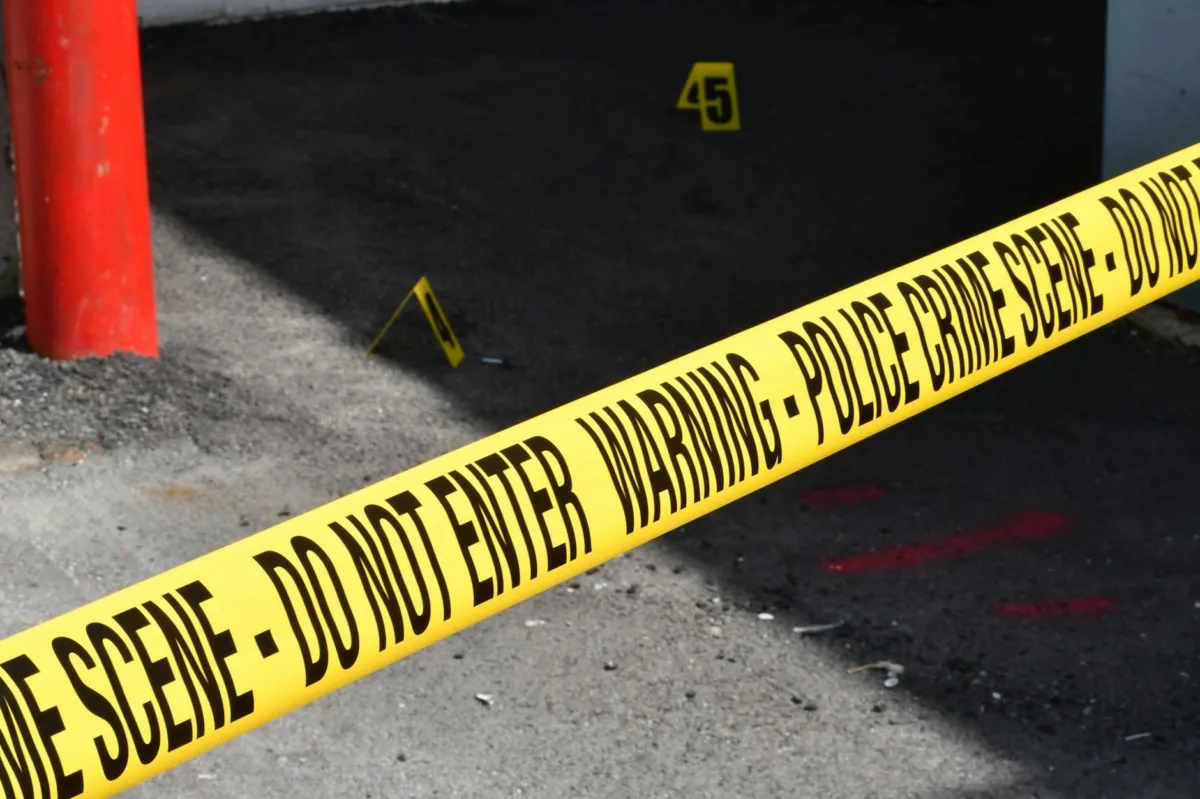
The incident has sparked an inter-agency review involving the Department of Homeland Security and the Metropolitan Police. Investigative teams are currently processing the scene for forensic evidence, including shell casings and surveillance footage, to determine if the suspect acted alone or was part of a larger security risk.
Expert Perspectives
Security experts note that the incident underscores the persistent challenge of protecting high-profile targets in dense urban environments. “The perimeter is designed to be a deterrent, but the proximity to public spaces means that incidents can escalate in seconds,” says a former federal security consultant. Data from the Secret Service’s Protective Intelligence Division consistently emphasizes that the primary goal remains the neutralization of a threat before it penetrates the inner sanctum of the protected site.
Implications for Public Safety
For the surrounding community, the event serves as a stark reminder of the volatile nature of security operations in the nation’s capital. Increased patrols are expected in the downtown D.C. area as authorities monitor for potential copycat threats or coordinated risks following the high-profile encounter.
Looking ahead, the Secret Service will likely face renewed scrutiny regarding the effectiveness of its current checkpoint barriers. Observers should watch for upcoming reports from the Department of Homeland Security, which may recommend upgrades to existing perimeter technology or changes to pedestrian traffic patterns near the White House to further isolate civilian crowds from potential tactical flashpoints.