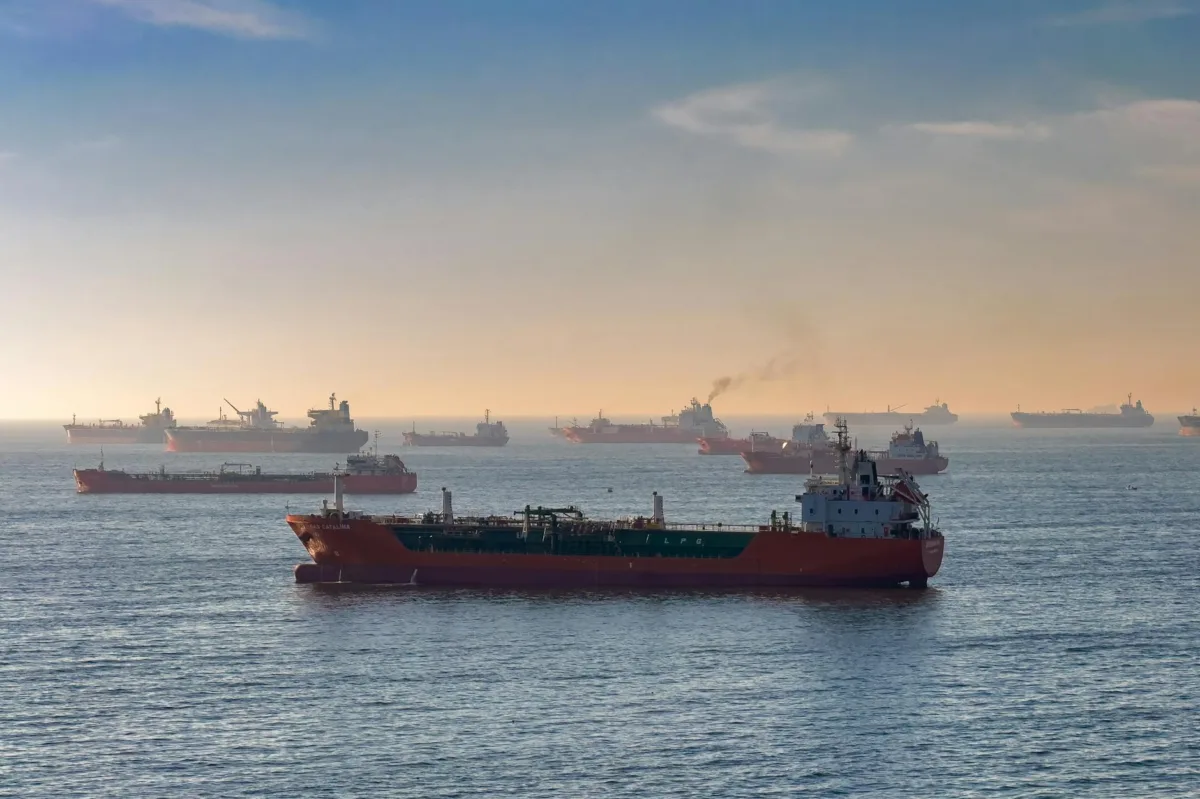










Former President Donald Trump signaled caution this week regarding ongoing negotiations, even as regional officials confirm that the United States is nearing a potential agreement with Iran aimed at de-escalating regional hostilities and securing the reopening of the critical Strait of Hormuz.
The developments come amid heightened tensions in the Persian Gulf, a vital artery for global energy markets. If finalized, the deal would represent a significant shift in U.S.-Iran relations, moving away from years of maximum pressure and toward a framework intended to stabilize maritime traffic and military posturing.
Context of the Maritime Tensions
The Strait of Hormuz serves as a narrow chokepoint through which approximately 20% of the world’s petroleum consumption passes daily. In recent months, the region has seen a spike in tanker seizures and military maneuvers, prompting international alarm over global energy security.
Prior to these talks, the relationship between Washington and Tehran had been characterized by a series of sanctions and retaliatory military movements. Regional mediators, including Oman and Qatar, have reportedly played a pivotal role in facilitating back-channel communications to bring both sides to the negotiating table.
Strategic Implications of the Potential Deal
Industry analysts suggest that the primary objective of the proposed agreement is the establishment of a maritime de-confliction zone. By formalizing communication channels between the U.S. Navy and the Iranian Revolutionary Guard Corps, officials hope to prevent accidental escalation that could spiral into a wider conflict.
Economic data from the International Energy Agency indicates that even a minor disruption in the strait could drive global oil prices up by double-digit percentages. A successful agreement would likely provide much-needed stability to volatile commodity markets, offering relief to importers reliant on Middle Eastern crude.
Expert Perspectives
Geopolitical experts note that while the framework for a deal appears to be taking shape, significant hurdles remain regarding verification and enforcement. Dr. Arash Alami, a senior fellow at the Center for Regional Security, stated that the success of the agreement rests on the transparency of maritime movements.