










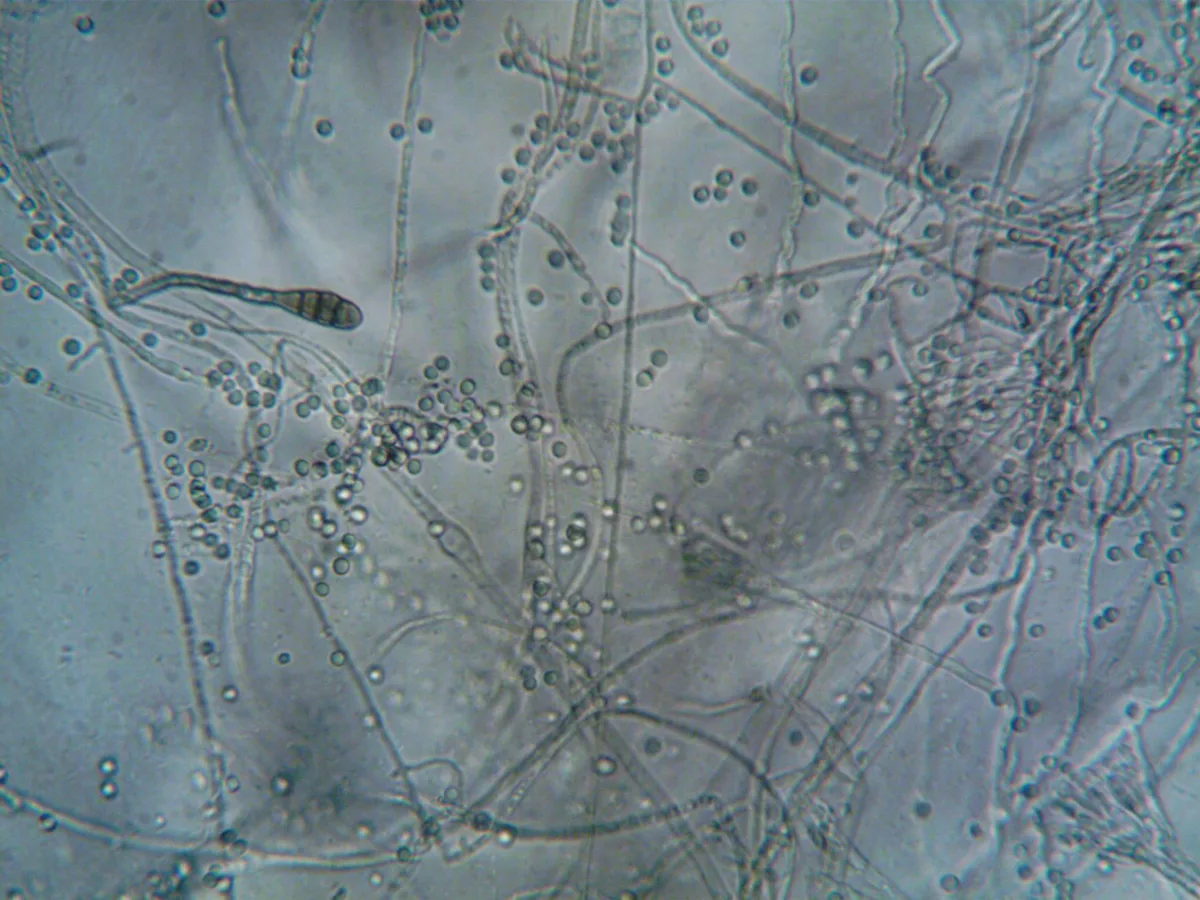
A recent longitudinal study published in the European Medical Journal (EMJ) has established a significant link between persistent sensitisation to the common environmental mold Alternaria alternata and an increased risk of developing asthma in children. The research, which tracked participants over several years, suggests that early-life exposure and subsequent immune response to this ubiquitous fungus are critical factors in the onset of chronic respiratory conditions.
The Role of Environmental Fungi
Alternaria alternata is one of the most widespread allergenic molds found both indoors and outdoors, particularly in damp environments and decaying organic matter. For years, clinicians have recognized its role in exacerbating existing asthma symptoms, but this study shifts the focus toward its role as a primary driver of the disease’s initial development.
Understanding the distinction between transient and persistent sensitisation is key to these findings. While many children may show a temporary immune response to mold spores, those who maintain persistent IgE-mediated sensitivity face a markedly higher trajectory toward clinical asthma diagnosis.
Clinical Insights and Data Analysis
The study utilized cohort data to monitor immune responses, finding that children with sustained sensitisation patterns were significantly more likely to exhibit airway hyper-responsiveness. Researchers observed that the immune system’s recurring reaction to Alternaria appears to trigger inflammatory pathways in the lungs that persist even when mold counts are low.
Dr. Aris Vahratian, a lead researcher involved in similar respiratory studies, notes that the biological mechanisms linking fungal proteases to epithelial cell damage are well-documented. These proteases can break down the lung’s protective barriers, making the respiratory tract more susceptible to other allergens and irritants.
Implications for Pediatric Care
For medical practitioners, these findings underscore the importance of early diagnostic screening for mold allergies in children presenting with non-specific respiratory issues. Standard allergy panels often focus on pollen or animal dander, but this data suggests that Alternaria should be a standard component of pediatric respiratory assessments.
Public health experts suggest that environmental mitigation remains the most effective form of prevention. Reducing indoor humidity, repairing water leaks, and improving household ventilation are critical steps for families living in environments where mold proliferation is common.
Looking Ahead: The Future of Asthma Management
The medical community is now looking toward personalized medicine to address these findings. Future research is expected to focus on whether early immunotherapy or targeted biological treatments can interrupt the progression from mold sensitisation to chronic asthma. As climate change continues to alter seasonal mold patterns, public health agencies may need to update air quality monitoring protocols to include more precise tracking of fungal spore dispersion. Stakeholders should watch for upcoming clinical trials that aim to investigate whether early intervention in sensitized pediatric patients can successfully prevent the development of long-term asthma symptoms.


