









Strengthening the Strategic Partnership
U.S. Secretary of State Marco Rubio arrived in New Delhi this week for a high-stakes diplomatic visit aimed at stabilizing trade tensions and reinforcing the Quad alliance between the United States, India, Japan, and Australia. The visit, occurring amidst a shifting geopolitical landscape in the Indo-Pacific, underscores Washington’s commitment to deepening ties with India as a primary counterweight to regional hegemony.
The Context of US-India Relations
The bilateral relationship between the United States and India has experienced significant growth over the past decade, driven by shared concerns regarding supply chain security and maritime stability. However, persistent friction over trade tariffs, market access, and intellectual property rights has periodically tested the resilience of this partnership. Recent diplomatic efforts have sought to move beyond these transactional disputes to focus on a broader vision of defense cooperation and technology sharing.
Navigating Trade and Technology
Trade discussions during the Secretary’s visit are expected to address long-standing grievances regarding agricultural tariffs and digital service taxes. Industry analysts note that both nations are keen to resolve these issues to facilitate the diversification of global manufacturing away from China. A central pillar of the talks involves the Initiative on Critical and Emerging Technology (iCET), which aims to foster collaboration in artificial intelligence, semiconductors, and space exploration.
The Quad and Regional Security
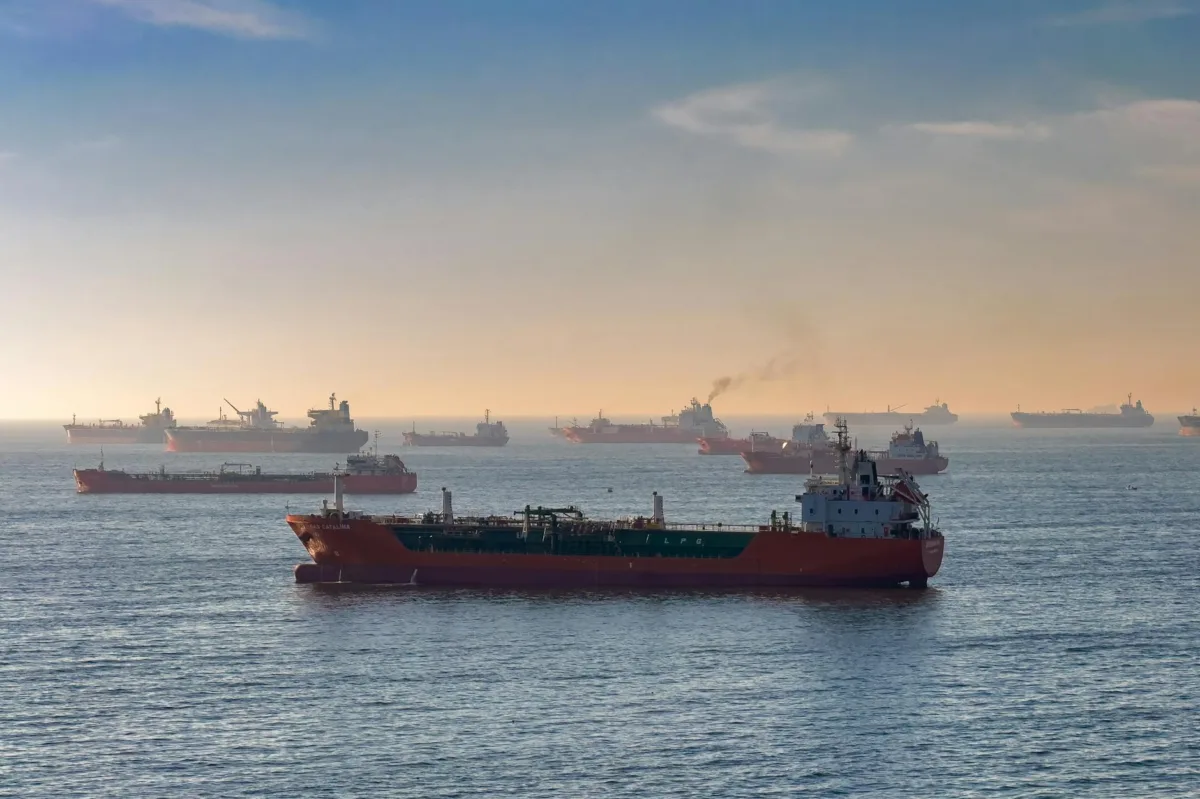
Beyond trade, the visit serves as a vital touchpoint for the Quad alliance, a security framework that has gained increased prominence as a platform for regional stability. Secretary Rubio is scheduled to meet with senior Indian officials to align strategies for a ‘Free and Open Indo-Pacific,’ a concept that emphasizes freedom of navigation and the rule of law in international waters. Experts argue that India’s role in the Quad is essential for balancing security interests in the Indian Ocean region.
Expert Perspectives
Geopolitical analysts suggest that Rubio’s presence signals a continuity in U.S. foreign policy that prioritizes India as a ‘major defense partner.’ According to recent data from the Center for Strategic and International Studies, bilateral defense trade has surged by over 300% since 2010, reflecting a deepening interoperability between the two militaries. Dr. Anjali Rao, a specialist in South Asian security, notes that while trade remains a point of contention, the strategic necessity of the alliance currently outweighs the economic friction.
Future Implications for the Indo-Pacific
The outcomes of this visit will likely dictate the tone of the upcoming Quad summit and influence future bilateral trade agreements. Observers are watching for progress on the proposed memorandum of understanding regarding joint defense manufacturing, which could serve as a bellwether for the future of the strategic partnership. As Washington and New Delhi navigate these complex negotiations, the ability to balance economic protectionism with long-term regional security objectives will remain the defining challenge for both administrations in the months ahead.