










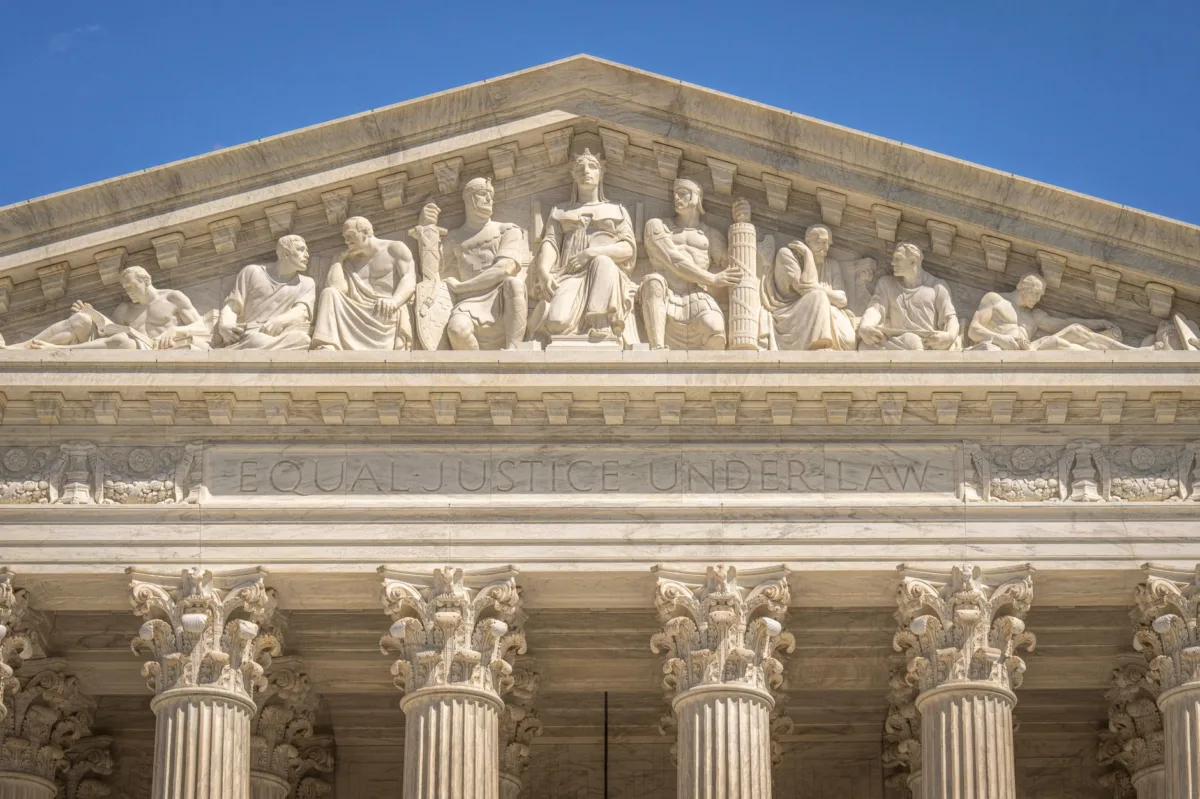
Supreme Court Intervention
The Supreme Court of India has taken suo motu cognisance of the tragic death of Twisha Sharma, a young bride whose passing has ignited a national debate over dowry-related violence. The judicial intervention follows 12 days of intense public scrutiny and conflicting reports regarding the circumstances of her death in Bhopal.
The court’s decision to monitor the case directly underscores the gravity of the allegations, which involve claims of dowry harassment and potential foul play. Authorities have confirmed that the victim was finally cremated following the completion of a second autopsy, a procedural move requested by the family to ensure transparency in the investigation.
Contextualizing the Dowry Crisis
Despite being legally abolished under the Dowry Prohibition Act of 1961, dowry-related deaths remain a persistent issue in India. Data from the National Crime Records Bureau (NCRB) continues to highlight thousands of cases annually where women face cruelty or death linked to matrimonial financial disputes.
The case of Twisha Sharma has become a focal point for activists who argue that existing legal frameworks are often undermined by delayed investigations and systemic apathy. The media frenzy surrounding the case reflects a growing public demand for accountability in instances where domestic disputes turn fatal.
Conflicting Narratives and Investigative Hurdles
The investigation has been characterized by starkly different accounts of the events leading to the victim’s death. While initial reports suggested suicide, the victim’s family has consistently alleged murder, citing a history of harassment related to dowry demands.
The delay in the cremation—lasting nearly two weeks—was necessitated by the demand for a second, independent autopsy. Forensic experts note that secondary examinations are frequently requested in high-profile cases to verify the integrity of initial findings, particularly when evidence of physical struggle or external coercion is suspected.
Expert Perspectives on Justice
Legal analysts suggest that the Supreme Court‘s involvement is a significant departure from standard procedural handling, signaling a move to expedite justice in sensitive matrimonial cases. By taking suo motu cognisance, the bench ensures that the investigation is shielded from potential local interference or administrative lethargy.
Sociologists point out that the intense media coverage, while sometimes intrusive, serves as a mechanism to prevent the case from being buried under bureaucratic red tape. The focus remains on whether the current investigative agencies can provide a definitive conclusion that satisfies the evidentiary requirements for a conviction under Indian law.
Implications for Future Litigation
The outcome of this case will likely set a precedent for how judiciary bodies handle allegations of dowry death across the country. If the investigation leads to a swift trial and conviction, it may embolden other victims to seek legal recourse without fear of being silenced by powerful interests.
Observers are now watching for the findings of the second autopsy report, which will likely determine the direction of the criminal charges. Moving forward, the focus will shift to the police’s ability to compile a charge sheet that withstands judicial scrutiny, potentially forcing a broader legislative review of how domestic violence cases are prioritized in the Indian court system.


