









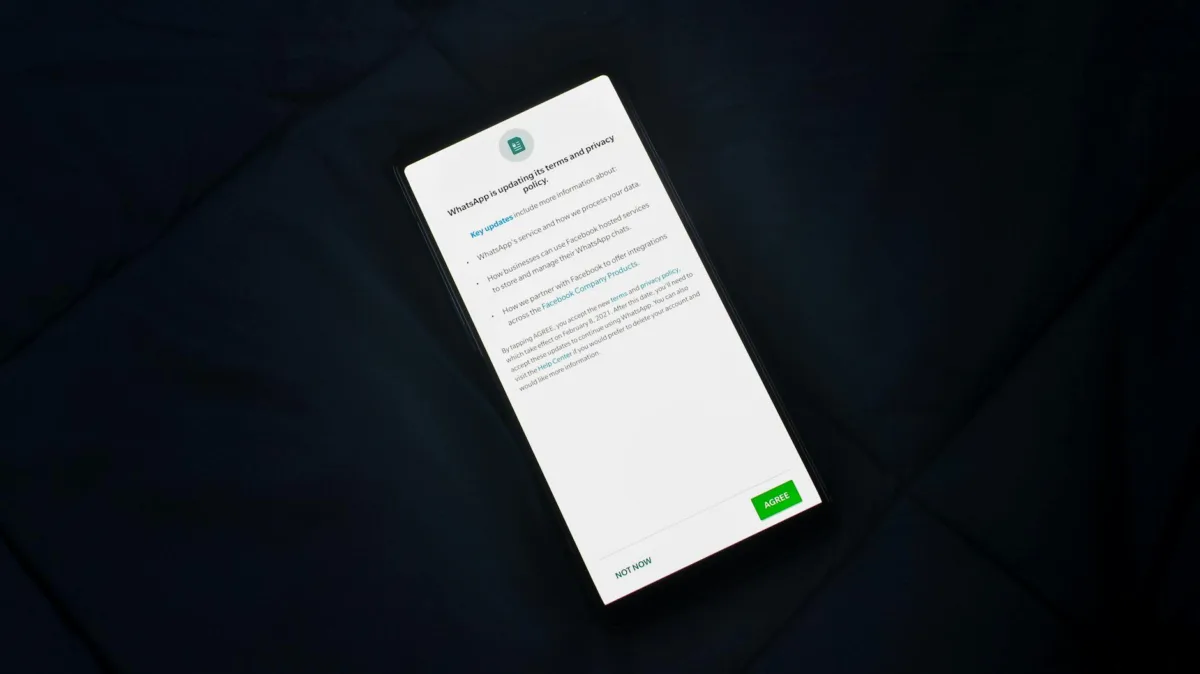
WhatsApp, the Meta-owned messaging platform, is currently rolling out a new username feature globally to allow users to interact without disclosing their personal phone numbers. This update, which began appearing in beta versions throughout late 2024 and early 2025, marks a significant shift in how the platform manages identity and user privacy for its two billion active users.
The Evolution of Digital Identity
For over a decade, WhatsApp has functioned exclusively on a phone-number-based authentication system. While this design choice initially simplified onboarding and contact discovery, it created a privacy bottleneck where users were required to share their primary contact number to initiate any form of communication.
As digital privacy concerns grow, platforms like Telegram and Discord have long utilized username-based architectures. WhatsApp’s integration of this feature acknowledges the demand for a layer of separation between a user’s digital identity and their personal telecommunications data.
How the Username System Functions
The new feature allows users to create a unique identifier that can be shared with others. When a user shares their handle, the recipient can initiate a conversation without ever seeing the sender’s mobile phone number.
This mechanism is expected to reduce unwanted contact and spam, as users will no longer need to broadcast their phone numbers in public forums, professional groups, or to acquaintances they do not wish to share personal data with. The implementation includes toggle settings that allow users to manage who can find them via these usernames.
Expert Perspectives on Privacy Trends
Cybersecurity analysts suggest that this move is a strategic response to the increasing sophistication of phishing and social engineering attacks. By decoupling the phone number from the account, WhatsApp is effectively neutralizing one of the primary vectors used by bad actors to link accounts to real-world identities.
“Privacy is no longer just about encryption; it is about identity management,” says Dr. Elena Rossi, a privacy advocate at the Digital Security Institute. “Allowing users to mask their phone numbers gives them the agency to curate their social boundaries more effectively.”
Industry Implications and Future Outlook
For the broader messaging industry, this update signals a trend toward pseudonymity. Businesses and professional networks using WhatsApp can now facilitate customer support and communication without exposing the personal mobile numbers of their staff or clients.
Moving forward, industry observers will be watching how WhatsApp integrates these usernames with its existing end-to-end encryption protocols. The primary concern remains the potential for username squatting and the mechanisms WhatsApp will implement to prevent impersonation. As the rollout continues, the company is expected to introduce further verification tools to ensure that these usernames remain authentic and secure for the general public.