










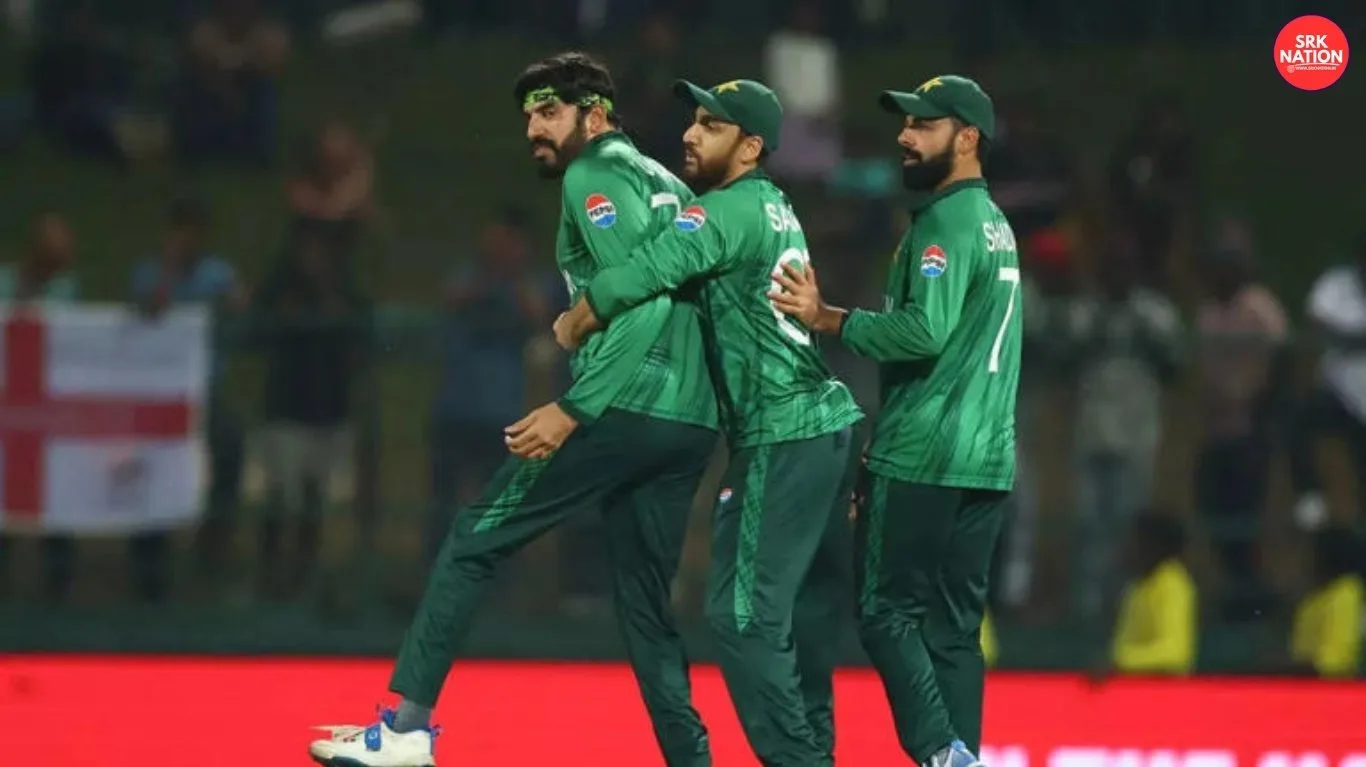
Pakistan’s recent defeat against England has reignited discussions about accountability and team morale, with Salman Agha candidly expressing his emotions. In a heartfelt statement, Agha revealed that “whenever Pakistan lose, it feels like he’s the one,” pointing to the burden carried by individual players amid collective failures. His remarks have sparked debate among fans, analysts, and cricketing circles about responsibility, leadership, and the psychological toll of repeated losses.
Background of the England Defeat
Pakistan’s performance against England was marked by inconsistency, with batting collapses and missed opportunities in the field. The loss added to a string of disappointing results, intensifying scrutiny on the team’s preparation and strategy.
- Batting Struggles: Key players failed to convert starts into big scores.
- Bowling Concerns: Lack of penetration in crucial overs.
- Fielding Errors: Dropped catches and misfields compounded the team’s woes.
Salman Agha’s Emotional Admission
Salman Agha’s statement reflects the emotional weight players carry after defeats.
- Personal Burden: He admitted feeling as though responsibility falls disproportionately on certain individuals.
- Team Dynamics: His words highlight the need for collective accountability.
- Fan Reactions: Supporters empathized with his honesty, while others questioned leadership structures.
Comparative Analysis of Pakistan’s Performance
| Series/Opponent | Result | Key Issues | Player Reactions |
|---|---|---|---|
| England (2026) | Loss | Batting collapse, poor fielding | Salman Agha’s emotional remarks |
| Australia (2025) | Loss | Bowling inconsistency | Calls for strategy overhaul |
| Sri Lanka (2025) | Win | Strong batting partnerships | Boosted team morale |
| India (2024) | Loss | Pressure handling issues | Criticism of leadership |
Psychological Impact on Players
Repeated defeats can weigh heavily on cricketers, affecting performance and confidence.
- Mental Pressure: Players often feel singled out for blame.
- Public Scrutiny: Social media amplifies criticism.
- Team Morale: Emotional admissions reflect cracks in unity.
- Leadership Role: Captains and coaches must manage psychological resilience.
Fan and Expert Reactions
- Fans: Divided between empathy for Agha and frustration at the team’s failures.
- Experts: Stress the importance of mental conditioning and collective responsibility.
- Media: Highlighted Agha’s honesty as a rare glimpse into player emotions.
Broader Implications for Pakistan Cricket
The incident underscores deeper issues within Pakistan cricket.
- Structural Concerns: Need for stronger domestic systems to prepare players.
- Leadership: Questions about captaincy and coaching strategies.
- Future Outlook: Emphasis on rebuilding confidence and unity.
Long-Term Outlook
Salman Agha’s candid admission may serve as a turning point, sparking conversations about accountability and mental health in cricket. For Pakistan, the challenge lies in transforming emotional honesty into constructive change, ensuring that defeats are shared collectively rather than borne by individuals alone.
Disclaimer
This article is a journalistic analysis based on publicly available information. It does not represent psychological, medical, or professional sports advice. Readers are encouraged to consult official cricket board releases and expert commentary before drawing conclusions about player statements or team performance.


