









Diplomatic efforts to revive the Iran nuclear deal have reached a critical impasse this week in Vienna, as negotiators from Iran and the United States struggle to bridge widening gaps over nuclear enrichment caps and the scope of sanctions relief. The stalled talks, which have stretched across months of indirect dialogue, underscore the deep-seated mistrust between Tehran and Washington, with President Donald Trump publicly affirming his refusal to accept any agreement he deems insufficient to curb Iran’s regional influence and ballistic missile program.
The Weight of History and Broken Agreements
The current gridlock is rooted in the 2018 United States withdrawal from the Joint Comprehensive Plan of Action (JCPOA), an agreement originally designed to limit Iran’s uranium enrichment in exchange for economic sanctions relief. Since the U.S. exit, the Islamic Republic has steadily increased its enrichment levels, moving closer to weapons-grade capabilities while the Iranian economy has faced severe strain under a regime of ‘maximum pressure’ sanctions.
Divergent Priorities at the Negotiating Table
For Iranian officials, the primary objective remains the complete removal of all economic sanctions imposed during the Trump administration, citing the need for verifiable economic stability before curbing their nuclear activities. Conversely, the U.S. delegation maintains that Iran must first return to full compliance with the original 2015 limits before any financial concessions can be processed.
Technical experts note that the timeline for ‘breakout capacity’—the time required to produce enough fissile material for a nuclear weapon—has shrunk significantly. According to data from the International Atomic Energy Agency (IAEA), Iran’s current stockpile of 60% enriched uranium represents a significant departure from the 3.67% threshold established in the original accord.
The Political Calculus of ‘No Bad Deal’
President Trump’s stance has introduced a volatile variable into the proceedings, as he characterizes the previous iteration of the deal as fundamentally flawed. This rhetoric has emboldened domestic hardliners in Tehran, who argue that the U.S. is not a reliable partner for long-term international treaties. Political analysts observe that both sides are utilizing the public theater of negotiations to signal strength to their respective domestic constituencies.
Implications for Global Markets and Regional Security
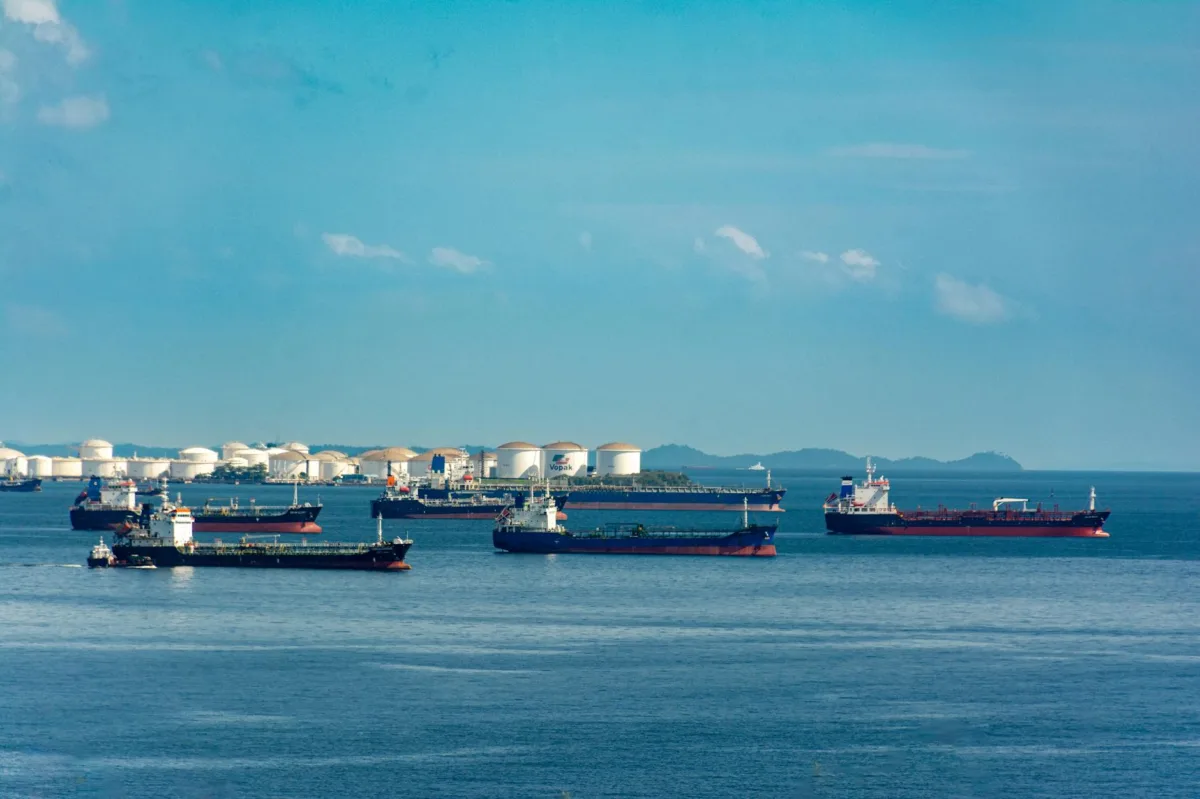
The uncertainty surrounding these talks continues to cast a shadow over global energy markets, as the potential for a breakthrough could introduce significant volumes of Iranian oil back into the supply chain. Simultaneously, regional neighbors, including Israel and Gulf states, remain wary of any agreement that does not address Iran’s proxy network and destabilizing activities throughout the Middle East.
Moving forward, international observers are monitoring the upcoming IAEA board meetings, which could serve as a trigger for further diplomatic escalation or a final attempt to salvage a framework. Should the impasse continue through the next quarter, the risk of a regional security crisis increases, potentially leading to further non-proliferation challenges that could redraw the geopolitical map of the Middle East.