










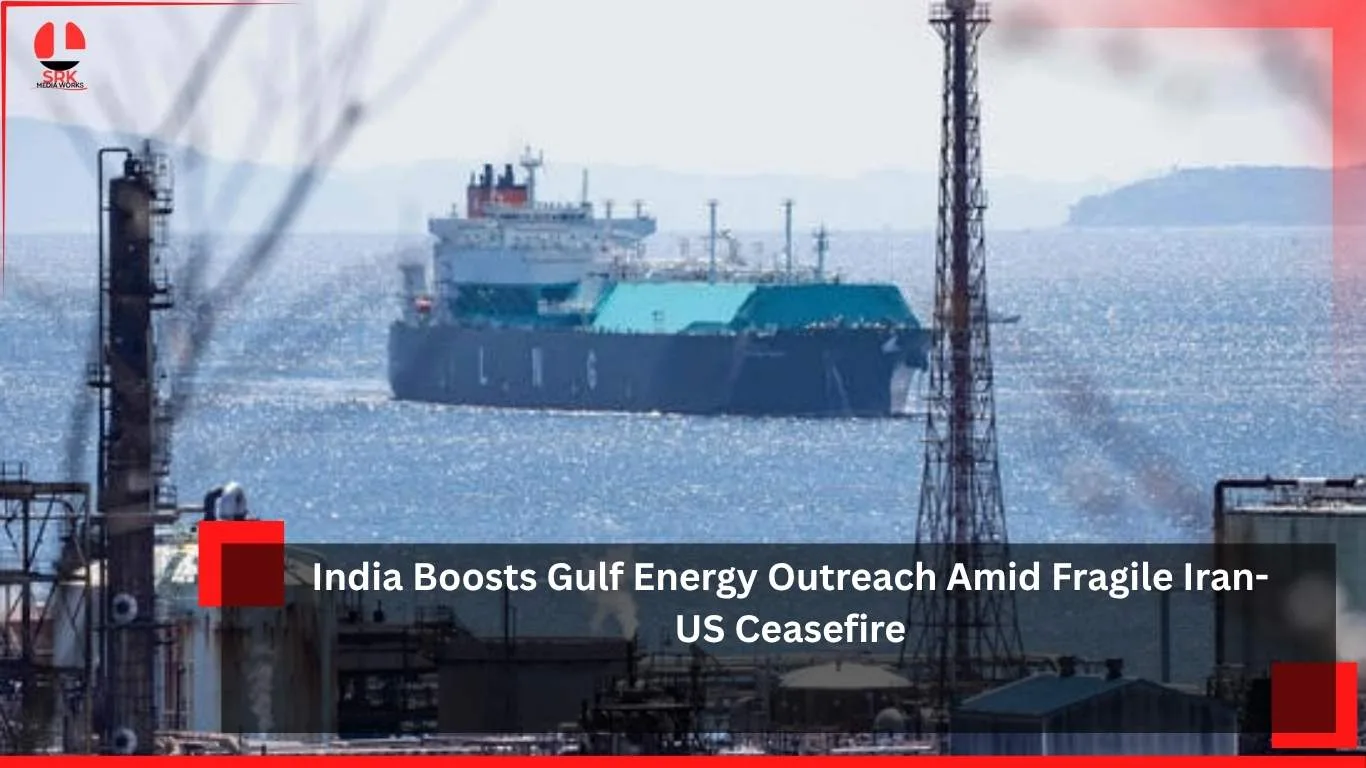
India has intensified its energy diplomacy with Gulf nations as the fragile ceasefire between Iran and the United States continues to cast uncertainty over global oil markets. The move underscores New Delhi’s strategic push to secure reliable energy supplies while balancing its geopolitical interests in a volatile region.
India’s Energy Diplomacy
- Strengthening Gulf Ties: India has expanded talks with Saudi Arabia, the UAE, and Qatar to secure long-term energy contracts.
- Diversification Strategy: By boosting Gulf outreach, India aims to reduce dependence on Iranian crude amid sanctions and instability.
- Strategic Investments: Indian companies are exploring joint ventures in refining, petrochemicals, and LNG terminals.
Impact of Iran-US Ceasefire
The ceasefire between Iran and the US remains fragile, with both sides wary of renewed hostilities.
- Oil Supply Risks: Any breakdown could disrupt shipments through the Strait of Hormuz.
- Price Volatility: Global oil prices remain sensitive to developments in the Gulf.
- Diplomatic Balancing: India must navigate relations with both Iran and the US while securing energy needs.
Gulf Nations’ Role
| Country | Energy Contribution | India’s Engagement |
|---|---|---|
| Saudi Arabia | Major crude supplier | Long-term contracts, refinery investments |
| UAE | Oil & LNG exports | Strategic energy partnerships |
| Qatar | LNG leader | Expanding LNG imports |
| Oman | Crude & gas | Infrastructure cooperation |
Economic Implications for India
- Energy Security: Ensures stable supply for India’s growing economy.
- Industrial Growth: Reliable energy supports manufacturing and infrastructure.
- Currency Stability: Reduces risks of inflation from oil price shocks.
Energy Impact Analysis
| Factor | India’s Gain | Global Effect |
|---|---|---|
| Oil Imports | Secured | Stabilizes demand |
| LNG Supply | Expanded | Boosts Gulf exports |
| Industrial Growth | Supported | Strengthens trade links |
Strategic Pivot Analysis
| Dimension | India’s Action | Gulf Response | Global Impact |
|---|---|---|---|
| Military | Neutral stance | Security cooperation | Stability in energy corridors |
| Political | Diplomatic outreach | Positive engagement | Reduced tensions |
| Economic | Energy diversification | Increased exports | Market balance |
| Social | National energy security | Workforce opportunities | Consumer price stability |
Challenges Ahead
- Ceasefire Fragility: Renewed Iran-US tensions could disrupt energy flows.
- Sanctions Pressure: US sanctions on Iran complicate India’s balancing act.
- Global Competition: Other Asian economies also seek Gulf energy deals.
Conclusion
India’s intensified Gulf energy outreach amid the fragile Iran-US ceasefire highlights its pragmatic approach to securing energy supplies in a volatile geopolitical environment. By strengthening ties with Saudi Arabia, the UAE, and Qatar, India is not only safeguarding its economic growth but also positioning itself as a key player in global energy diplomacy. The success of this strategy will depend on how effectively India navigates regional tensions while maintaining balanced relations with both Iran and the US.
Disclaimer
This article is based on available geopolitical and energy sector analysis. It does not represent official government positions or verified diplomatic agreements. Readers are advised to treat the content as an overview of claims and perspectives, and to consult multiple sources before drawing conclusions about sensitive international developments.


