









Strategic Shifts in Regional Diplomacy
President Donald Trump is moving to fundamentally reshape Middle Eastern geopolitics by pursuing a dual-track strategy aimed at de-escalating direct conflict with Tehran while simultaneously expanding the normalization of relations between Israel and its Arab neighbors. The administration’s approach, which gained momentum this week, seeks to leverage economic pressure and high-level mediation to lock in a new regional security architecture before the current political cycle concludes.
This push follows a series of volatile exchanges between Iran and Israel that have threatened to draw the United States into a broader regional war. By attempting to bridge the gap between long-standing adversaries, the White House is betting that a transactional peace process can bypass traditional diplomatic stalemates.
The Historical Context of Regional Normalization
The current framework builds upon the precedent established by the 2020 Abraham Accords, which normalized diplomatic relations between Israel and several Arab nations, including the United Arab Emirates and Bahrain. Proponents of this strategy argue that these agreements created a new paradigm where regional security is treated as a collective interest rather than a zero-sum game.
However, critics note that the previous framework largely sidelined the Palestinian issue, which remains a core point of contention for many nations in the region. The integration of Iran into this new regional calculus presents a significantly more complex challenge given the history of proxy conflicts across Lebanon, Syria, and Yemen.
Analyzing the New Diplomatic Framework
The administration’s emerging plan focuses on a ‘big deal’ approach that offers Iran limited sanctions relief in exchange for verifiable constraints on its nuclear program and a cessation of support for regional militant groups. Simultaneously, Washington is pushing for a broader regional pact that would formalize intelligence sharing and defense cooperation between Israel and Gulf states.
Intelligence reports suggest that the primary motivation for this shift is the desire to pivot U.S. resources toward competition with China. By stabilizing the Middle East, the White House hopes to minimize the necessity for a permanent, large-scale American military presence in the region.
Expert Perspectives and Economic Realities
Foreign policy analysts remain divided on the feasibility of such a wide-reaching accord. Dr. Elena Vance, a senior fellow at the Middle East Institute, suggests that while the desire for stability is clear, the deep-seated ideological mistrust between Tehran and Jerusalem may prove insurmountable.
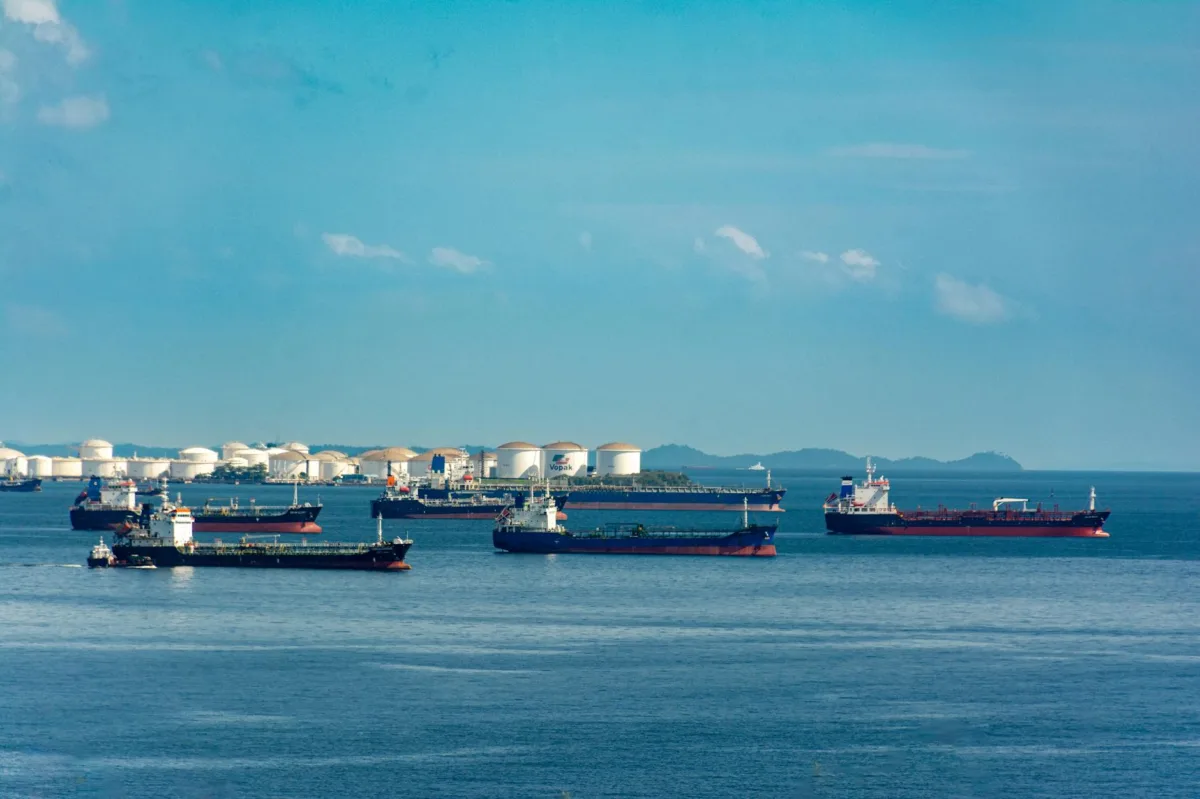
Data from the International Energy Agency indicates that regional instability continues to drive global oil price volatility, adding an economic imperative to these diplomatic efforts. Market analysts observe that even the perception of a de-escalation framework has already begun to influence trading patterns in energy futures, reflecting cautious optimism among international investors.
Implications for Global Security
For the average reader, these developments signal a potential cooling of rhetoric that has dominated headlines for months. However, the industry implications are profound, as defense contractors and energy firms adjust their long-term forecasts to account for a potentially changing security landscape.
The coming months will be critical as negotiators test whether these diplomatic frameworks can withstand the pressure of ongoing skirmishes. Observers should monitor upcoming summits in the region and any changes in the enforcement of secondary sanctions on Iranian oil exports as primary indicators of the deal’s durability.